

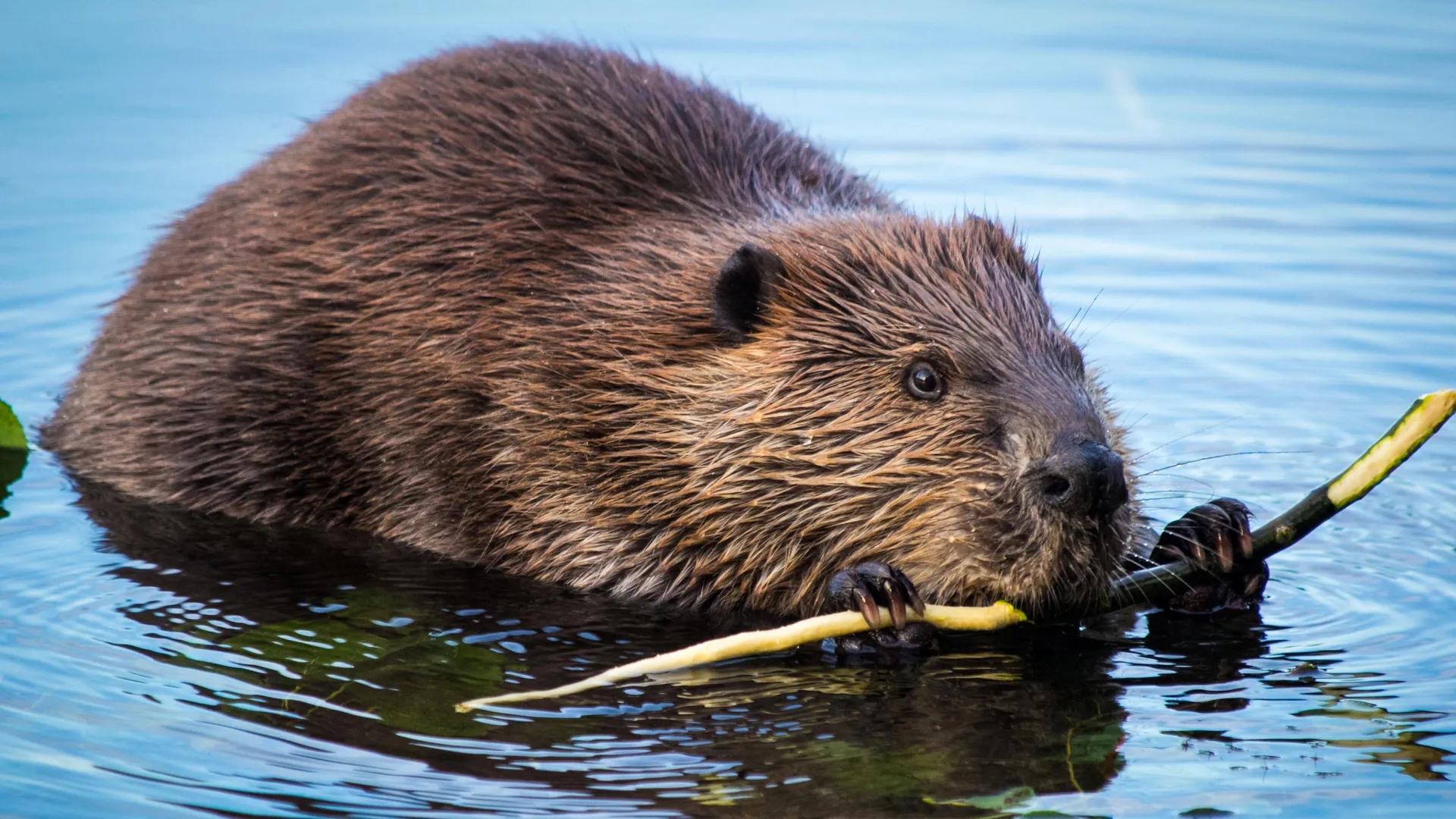
Essential Insights
-
Beavers as Climate Allies: A study reveals that beavers can transform rivers into effective carbon dioxide sinks, enhancing carbon storage in wetlands up to ten times compared to unmanaged areas.
-
Significant Carbon Capture: Over 13 years, wetlands shaped by beavers stored approximately 1,194 tonnes of carbon, translating to 10.1 tonnes of CO2 per hectare annually, showcasing their potential for climate change mitigation.
-
Dynamic Ecosystems: Beaver activity alters water flow and sediment capture, leading to seasonal variations in carbon emissions, but ultimately results in long-term net carbon storage due to accumulated sediments and plant matter.
-
Wider Implications for Land Use: The study suggests that expanding beaver populations in Europe could offset 1.2-1.8% of Switzerland’s annual carbon emissions, highlighting the importance of beaver-led restorations in climate policy and planning without additional costs.
Beavers as Ecosystem Engineers
Beavers are returning to natural habitats across Europe, reshaping our understanding of ecosystems. Recent research highlights their incredible ability to transform rivers into effective carbon sinks. These industrious creatures build dams, which flood nearby areas, creating wetlands that trap carbon dioxide. As they alter landscapes, they also alter the movement of carbon within them. This study shows that beaver-influenced wetlands store up to ten times more carbon compared to areas without beaver activity. Over 13 years, researchers found about 1,194 tonnes of carbon accumulated in one Swiss location alone.
This newfound understanding presents a unique opportunity. Expanding beaver populations in suitable areas can substantially boost carbon capture and minimize emissions. Moreover, beaver-created wetlands contribute to biodiversity by providing habitats for various species. Thus, protecting and promoting beaver populations could deliver dual benefits: supporting climate goals and enhancing ecosystem health.
Long-Term Climate Solutions
The research illustrates that beaver-influenced ecosystems serve as long-term carbon sinks. They lock away carbon effectively for decades. As sediments and deadwood accumulate in these wetlands, the potential for carbon storage increases significantly. One fascinating finding is that these areas hold up to 14 times more inorganic carbon and eight times more organic carbon than nearby forest soils.
This passive carbon capture requires little human intervention, making it a practical solution for climate mitigation. Estimates suggest that suitable floodplain areas in Switzerland could offset 1.2 to 1.8% of the nation’s annual carbon emissions without direct costs. As the world seeks innovative ways to tackle climate change, the role of beavers cannot be overlooked. Protecting these ecosystem engineers may be a key component in the human journey toward sustainable living.
Discover More Technology Insights
Stay informed on the revolutionary breakthroughs in Quantum Computing research.
Discover archived knowledge and digital history on the Internet Archive.
TechV1
