

Fast Facts
A Texas man was charged with manslaughter after a fatal Tesla crash. Michael Butler’s vehicle, using autopilot, crashed into a house, killing a woman. He showed no intoxication signs and is held on $150,000 bond. Tesla’s autopilot function has raised safety concerns amid multiple incidents.
Implications of Autonomous Technologies
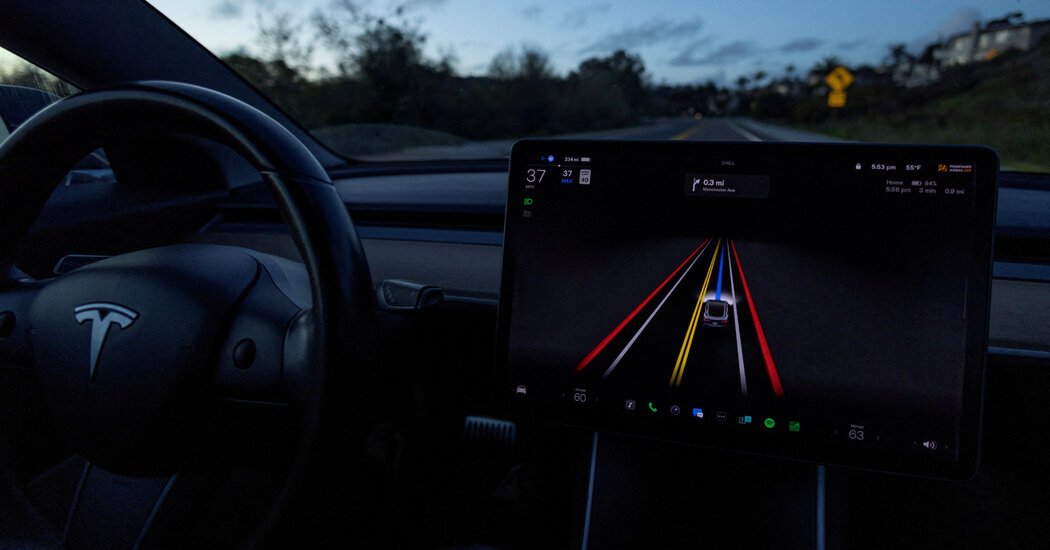
The tragic incident in Katy, Texas, raises significant questions about the responsibilities of both users and manufacturers of autonomous vehicle technologies. Michael Butler, 44, faces manslaughter charges after his Tesla crashed into a home, resulting in the death of 76-year-old Martha Avila. Reports indicate Butler operated the Tesla using its autopilot feature, which Tesla markets as a driver-assistance system. However, Tesla emphasizes that drivers must remain attentive and ready to take control. This case highlights a critical gap between consumer expectations and actual functionalities of automated systems.
The adoption of autonomous technologies in vehicles accelerates yearly. Many view Tesla’s autopilot feature as groundbreaking. Yet, incidents like this expose vulnerabilities and raise serious concerns about user understanding. Butler’s actions, combined with Tesla’s insistence on human oversight, create a complex narrative. The vehicle’s high-speed trajectory and the driver’s alleged manual override complicate matters further. The National Highway Traffic Safety Administration has opened an investigation, recognizing the need for clarity on both driver conduct and vehicle capabilities.
Regulatory Challenges and Future Directions
Regulatory frameworks struggle to keep pace with rapid technological advancement. In 2023, Tesla recalled over two million vehicles amid safety concerns related to driver attentiveness. The sheer number of accidents linked to autopilot functionality casts a shadow over its reputation. Tesla’s settlements in lawsuits point to systemic issues that require urgent addressing.
As technology progresses, the conversation must shift toward accountability. Who bears the responsibility when the line between human and machine blurs? Car manufacturers and drivers must align on safety standards. Policymakers should enforce clearer regulations to protect consumers and encourage responsible innovation. Future advancements should ensure that such technologies enhance safety, not compromise it. Balancing technological innovation with ethical considerations will define the next phase of autonomous vehicle integration in society.
Discover More Technology Insights
Stay informed on the revolutionary breakthroughs in Quantum Computing research.
Stay inspired by the vast knowledge available on Wikipedia.
TechV1
