
Close Menu
    Facebook X (Twitter) Instagram
    Saturday, November 7
    Top Stories:
    • China’s AI Chipmakers Turn Profitable: Can the Momentum Last?
    • Major Trial Challenges Who Needs Statins
    • Hua Hong Bets Big on Silicon Photonics for AI Boom
    Facebook X (Twitter) Instagram Pinterest Vimeo
    IO Tribune
    • Home
    • AI
    • Tech
      • Gadgets
      • Fashion Tech
    • Crypto
    • Smart Cities
      • IOT
    • Science
      • Space
      • Quantum
    • OPED
    IO Tribune
    Home » Three Amino Acids Distinguish Red and Green Vision
    Quantum

    Three Amino Acids Distinguish Red and Green Vision

    Staff ReporterBy Staff ReporterJuly 31, 2026No Comments2 Mins Read
    Share Facebook Twitter Pinterest LinkedIn Tumblr Reddit Telegram Email
    Share
    Facebook Twitter LinkedIn Pinterest Email

    Summary Points

    1. Red and green cone pigments differ by only three amino acids, affecting color sensitivity.
    2. Variations in these amino acids alter electrostatic environments, tuning light absorption.
    3. Study used cryo-electron microscopy on macaques, revealing structural differences.
    4. Findings could help understand and treat color blindness through genetic and structural insights.

    The Molecular Secrets Behind Red and Green Vision

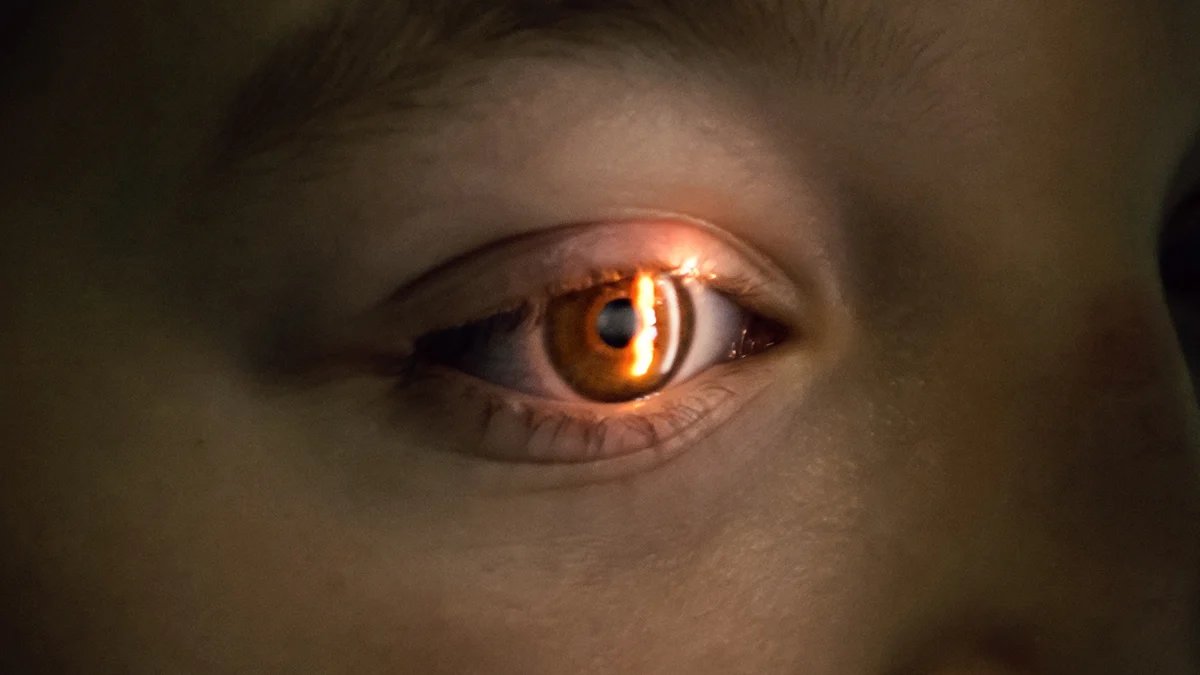
    A new study reveals how human eyes tell red from green. Although these colors seem different, our eyes treat them very similarly at a molecular level. Researchers used advanced imaging to understand the tiny differences that make our cones in the retina sensitive to either red or green light. They found that just three amino acids in the cone proteins are responsible for this difference. These small changes change how the proteins respond to light, allowing us to distinguish red from green. This discovery helps explain why red-green color blindness is common. Understanding these small molecular differences could eventually lead to better treatments for color vision issues.

    How Small Changes Make a Big Difference in Color Perception

    Humans have three types of cone cells in their eyes, each sensitive to different colors—red, green, and blue. These cells work together to give us vibrant, full-color vision. The red and green cones are very similar, which is why distinguishing their differences is tricky. The study examined these cones in primates similar to humans. Researchers used cryo-electron microscopy and digital modeling to understand their structures. They found that the color difference comes down to three amino acids, not the overall shape of the proteins. These tiny variations adjust the electric charge within the cones, changing how they absorb light. Additionally, the study found a new structure that helps cone cells recover quickly after exposure to bright light. This insight could help scientists develop new ways to treat or manage color blindness and visual disorders in the future.

    Expand Your Tech Knowledge

    Stay informed on the revolutionary breakthroughs in Quantum Computing research.

    Explore past and present digital transformations on the Internet Archive.

    QuantumV1

    HPC MSFT Content Quantum Research VT1
    Share. Facebook Twitter Pinterest LinkedIn Tumblr Email
    Previous Article1NCE & Pessl Empower Smart Farms Globally
    Next Article Run to the Beat: Spotify’s Smart Playlist Revolution!
    Avatar photo
    Staff Reporter
    • Website

    John Marcelli is a staff writer for IO Tribune, with a passion for exploring and writing about the ever-evolving world of technology. From emerging trends to in-depth reviews of the latest gadgets, John stays at the forefront of innovation, delivering engaging content that informs and inspires readers. When he's not writing, he enjoys experimenting with new tech tools and diving into the digital landscape.

    Related Posts

    AI

    AI Caregiver Apps: Why They May Not Be Enough

    November 7, 2026
    Space

    NASA Reveals X-70 Experimental Aircraft to Advance Flight Research

    November 7, 2026
    AI

    Build a Python AI Agent with Memory & Tools

    November 7, 2026
    Add A Comment

    Comments are closed.

    Must Read

    AI Caregiver Apps: Why They May Not Be Enough

    November 7, 2026

    NASA Reveals X-70 Experimental Aircraft to Advance Flight Research

    November 7, 2026

    Build a Python AI Agent with Memory & Tools

    November 7, 2026

    Realme 17 Pro Leak Reveals Its Place in the Upcoming Lineup

    November 7, 2026

    How to Explain Quantum Science to EveryoneHow to Explain Quantum Science to Everyone

    November 7, 2026
    Categories
    • AI
    • Crypto
    • Fashion Tech
    • Gadgets
    • IOT
    • OPED
    • Quantum
    • Science
    • Smart Cities
    • Space
    • Tech
    Most Popular

    Veles Finance Unveils New Trading Bot for BingX!

    June 20, 2025

    Claim Your Spot at Disrupt 2025: Stand Out Before Your Competitors!

    August 8, 2025

    Kobo Remote Review: Mighty Mini E-Reader Accessory

    January 18, 2026
    Our Picks

    YouTube Streams Coachella for Free Next Week!

    April 4, 2026

    Revolutionary Vitamin A Discovery Redefines Vision Science

    July 10, 2026

    Grab the HORI Piranha Plant Camera for Switch 2 – Now Just $40!

    August 3, 2025
    Categories
    • AI
    • Crypto
    • Fashion Tech
    • Gadgets
    • IOT
    • OPED
    • Quantum
    • Science
    • Smart Cities
    • Space
    • Tech
    • Privacy Policy
    • Disclaimer
    • Terms and Conditions
    • About Us
    • Contact us
    Copyright © 2025 Iotribune.comAll Rights Reserved.

    Type above and press Enter to search. Press Esc to cancel.