

Quick Takeaways
- A Tesla on automated driving assistance crashed into a house, killing a woman.
- The driver, Michael Butler, lost control and struck Martha Avila indoors.
- Investigators found no signs of intoxication; the cause of the crash is unclear.
- Tesla faced scrutiny after a major recall due to driver-attentiveness issues.
Understanding the Risks of Driver-Assistance Technology
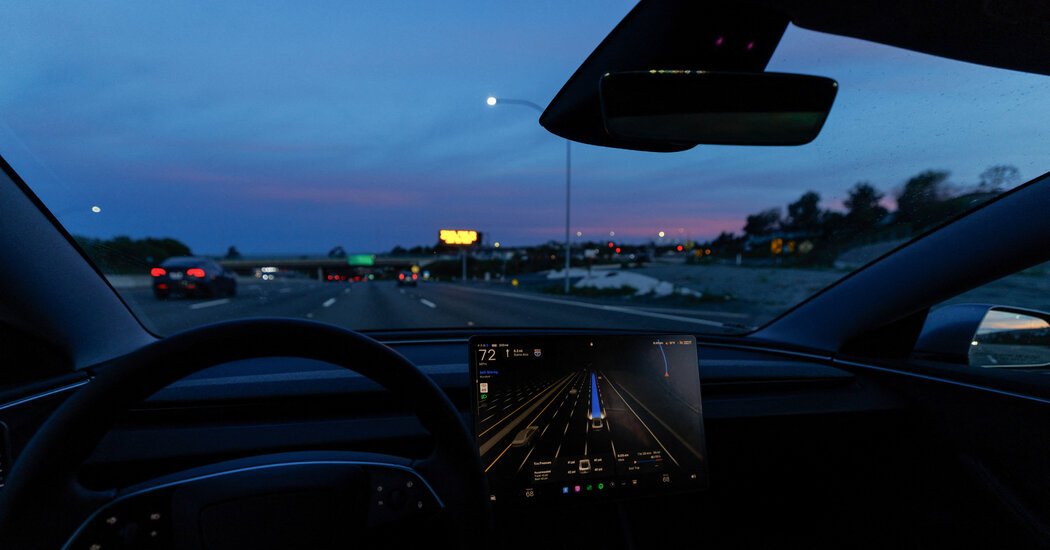
A Tesla driver in Texas recently engaged its autopilot system and crashed into a home, tragically killing a woman inside. This incident raises critical questions about the effectiveness and safety of driver-assistance features. Michael Butler operated a Tesla Model 3 in Katy, Texas, when he lost control, striking the residence at a high speed. Authorities reported that he did not appear intoxicated and cooperated with the investigation. However, the circumstances surrounding the crash reveal troubling implications for automated driving systems.
Tesla’s driver-assistance technology has gained considerable popularity. Many drivers trust it to handle key driving tasks, such as steering, accelerating, and braking. Yet, the system requires drivers to remain attentive and ready to take control. Tesla’s manuals explicitly warn users to keep their hands on the wheel. Despite this, recalls and investigations have surfaced, indicating Tesla has struggled to ensure driver engagement. In 2023 alone, the company recalled over two million vehicles due to concerns about the autopilot system and driver attentiveness.
The Harris County Sheriff’s Office continues to investigate the incident. Preliminary findings pointed to a failure in speed control, which raises alarms about the technology’s reliability. Advocates of automation argue that driver-assistance technologies can reduce accidents and increase safety. However, each tragic incident further complicates this narrative. Does the allure of convenience outweigh the potential risks? As automated systems evolve, so must the understanding of their limitations and the responsibility of drivers.
Balancing Innovation with Responsibility
The allure of cutting-edge technology often blinds us to its pitfalls. Automated driving assistance can undoubtedly improve convenience and efficiency for many drivers, but this case is a stark reminder of the dangers involved. The fact remains that these systems depend on human oversight. A lack of driver attention or misjudgment can lead to catastrophic outcomes.
Safety regulators must ensure that companies like Tesla prioritize user education and system reliability. Oversight is crucial as the technology progresses. Simple instructions may not suffice when lives are at stake. Manufacturers must innovate cautiously and transparently, actively engaging in discussions about the implications of their products.
As society adopts advanced technologies, we must balance innovation with responsibility. The road ahead requires a commitment to safety, education, and accountability. Each incident, such as the tragic crash in Texas, should serve as a wake-up call to all stakeholders involved. Design improvements and user education must focus on preventing future tragedies.
Continue Your Tech Journey
Explore the future of technology with our detailed insights on Artificial Intelligence.
Stay inspired by the vast knowledge available on Wikipedia.
TechV1
