

Fast Facts
Uber is launching its own autonomous vehicles for data collection purposes. The vehicles won’t operate as robotaxis but will gather crucial data. This initiative follows Uber’s sale of its AV division after a fatal incident. The goal is to accumulate 2 million miles of data monthly for partners.
The Return of Uber’s Autonomous Vehicles
Uber is once again deploying self-driving cars, but this time with a clear distinction. The vehicles will not operate as robotaxis. Instead, they will collect valuable data for Uber’s numerous partners in the autonomous vehicle (AV) space. This initiative, dubbed the AV Lab project, positions Uber as a vital collaborator rather than a competitor in the AV market. By leveraging its existing ride-hail network, Uber aims to meet the data demands of its partners, which include various startups and established players.
The decision comes after a tumultuous chapter in Uber’s AV history. The company sold its autonomous vehicle division in 2020, following a tragic incident that resulted in a fatality. Since then, Uber pivoted away from in-house development, recognizing the need for collaboration. Many AV startups lack the financial heft of giants like Waymo or Tesla. By offering free access to driving data, Uber helps these companies offset their operational costs while enhancing their own technologies.
Data-Driven Strategy for the Future
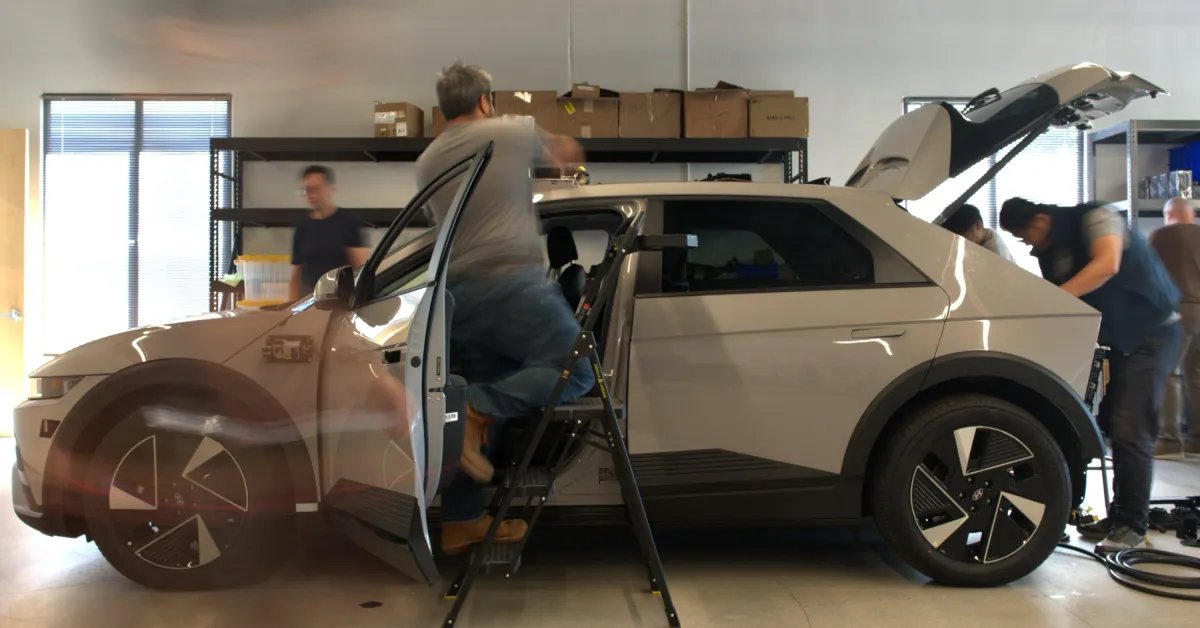
Data collection becomes pivotal as the AV landscape evolves. Uber’s fleet, starting with one Hyundai Ioniq 5, will gather extensive driving data through the ride-hail platform. Chief Financial Officer Balaji Krishnamurthy stated that AV operators typically need around 10 million miles of data for a successful public launch. Uber aims to contribute at least 2 million miles each month, generating insights from the countless trips it facilitates daily.
This strategy gives Uber an edge in the competitive landscape. By examining “edge” cases—those unusual or complicated scenarios drivers encounter—partners can refine their AV systems. The data has the potential to accelerate the development of safer, more efficient autonomous vehicles. As Uber continues to develop relationships with AV startups, it underscores a growing trend in the tech world: collaboration often fosters innovation. As competition intensifies, partnerships may serve as the backbone for the future of self-driving technology.
Expand Your Tech Knowledge
Learn how the Internet of Things (IoT) is transforming everyday life.
Access comprehensive resources on technology by visiting Wikipedia.
TechV1
