
Close Menu
    Facebook X (Twitter) Instagram
    Friday, August 28
    Top Stories:
    • Alibaba Expands South American Reach with Brazil AI Data Centers
    • Eating Ultra-Processed Foods Could Increase Prostate Cancer Risk by 30%
    • Huawei and HP Reach Multi-Year Wi-Fi Patent Cross-License Agreement
    Facebook X (Twitter) Instagram Pinterest Vimeo
    IO Tribune
    • Home
    • AI
    • Tech
      • Gadgets
      • Fashion Tech
    • Crypto
    • Smart Cities
      • IOT
    • Science
      • Space
      • Quantum
    • OPED
    IO Tribune
    Home » Unlocking Recovery: Human Organoids Reverse ‘Irreversible’ Nerve Damage
    Tech

    Unlocking Recovery: Human Organoids Reverse ‘Irreversible’ Nerve Damage

    Lina Johnson MercilliBy Lina Johnson MercilliMay 29, 2026No Comments2 Mins Read
    Share Facebook Twitter Pinterest LinkedIn Tumblr Reddit Telegram Email
    Share
    Facebook Twitter LinkedIn Pinterest Email

    Summary Points

    1. Cambridge scientists created lab-grown mini-brain and spinal cord models to study nerve signals.
    2. Their research suggests some nerve damage may be reversible under certain conditions.
    3. Axon regeneration declines with neuron maturity, impacting recovery from injuries.
    4. A drug, lynestrenol, enhanced axon regrowth, offering potential treatment hope.

    Revealing New Possibilities in Regenerative Medicine

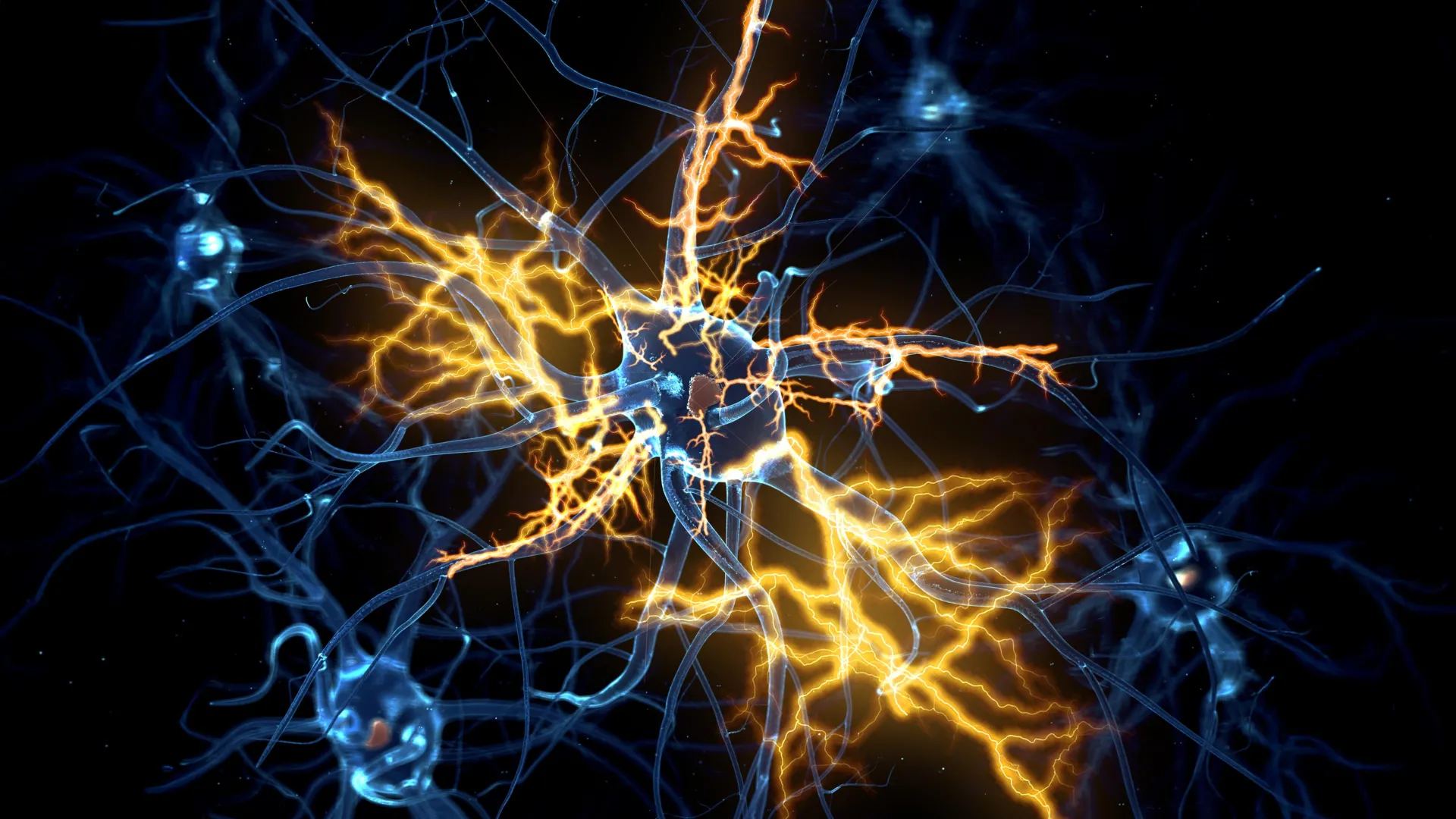
    Scientists at the University of Cambridge have made a groundbreaking discovery using miniaturized lab-grown brain and spinal cord systems. These tiny “organoids” mimic the human nervous system, allowing researchers to explore nerve regeneration in ways once thought impossible. Traditionally, injuries to the brain and spinal cord lead to permanent paralysis and disabilities because the central nervous system struggles to regrow damaged axons. This situation has long left patients with few options.

    The recent study reveals a window of opportunity to reverse nerve damage. Researchers found that until around day 150 of development—aiming for a mid-pregnancy equivalent—neurons can regenerate injured axons. After this period, the ability to heal diminishes significantly. This suggests that the capacity for recovery declines as neurons mature. However, by blocking specific gene regulators within neurons, scientists restored the ability to regrow axons. It provides hope for conditions that currently have no cure.

    Human Organoids: A Shift in Research Paradigms

    The implications of this research extend beyond nerve damage recovery. Organoid technology enhances our understanding of human biology and disease. Unlike animal models, which often fail to replicate human responses, organoids derive from human stem cells. They offer a more accurate reflection of human nervous system function. This accuracy can help bridge gaps between animal studies and clinical outcomes.

    While existing methods often feel limiting, the team’s research also identifies drugs that could promote regeneration. Lynestrenol, a hormone therapy, showed promise by enhancing axon regrowth in damaged neurons. Although it may not serve as a one-size-fits-all solution for spinal repair, it outlines a clear path forward.

    This groundbreaking work positions organoids as essential tools for advancing medical science. As researchers explore their potential, we may unlock treatments for previously untreatable conditions, shifting the paradigm of regenerative medicine. In an era where innovation drives healthcare, these findings could change lives and offer new hope for millions.

    Continue Your Tech Journey

    Learn how the Internet of Things (IoT) is transforming everyday life.

    Access comprehensive resources on technology by visiting Wikipedia.

    TechV1

    Innovation Management Tech technology VT1
    Share. Facebook Twitter Pinterest LinkedIn Tumblr Email
    Previous ArticleVision Revolution: Safer, Cheaper Alternatives to LASIK!
    Next Article euNetworks unveils quantum-safe optical connectivity
    Avatar photo
    Lina Johnson Mercilli
    • Website

    Lina Johnson Marcelli is the editor for IO Tribune, bringing over two decades of experience in journalism to her role. With a BA in Journalism, she is passionate about delivering impactful stories that resonate with readers. Known for her keen editorial vision and leadership, Lina is dedicated to fostering innovative storytelling across the publication. Outside of work, she enjoys exploring new media trends and mentoring aspiring journalists.

    Related Posts

    AI

    AI’s Rise: Are Human Doctors Obsolete?

    August 28, 2026
    AI

    From Theft to Trust: Helping Artists Reclaim their Work

    August 28, 2026
    Science

    Scientists Uncover How Rain Disrupts the Water Cycle

    August 28, 2026
    Add A Comment

    Comments are closed.

    Must Read

    AI’s Rise: Are Human Doctors Obsolete?

    August 28, 2026

    From Theft to Trust: Helping Artists Reclaim their Work

    August 28, 2026

    Scientists Uncover How Rain Disrupts the Water Cycle

    August 28, 2026

    Create an Intro with Shortcuts for Apple CarPlay

    August 28, 2026

    First-ever Double-Blind AI Evaluation by Google DeepMind

    August 28, 2026
    Categories
    • AI
    • Crypto
    • Fashion Tech
    • Gadgets
    • IOT
    • OPED
    • Quantum
    • Science
    • Smart Cities
    • Space
    • Tech
    Most Popular

    Mastering Hybrid Leadership in Human-AI Enterprise

    June 9, 2026

    10,000mAh Qi2 Power Bank: Just One Charge for Pixel 10

    November 2, 2025

    Charting New Frontiers: Discoveries from Artemis II for Tomorrow’s Lunar Missions

    August 22, 2025
    Our Picks

    Glīd: Revolutionizing Freight Transportation — Catch Us at TechCrunch Disrupt 2025!

    October 27, 2025

    Seamless Guide to Transferring Data to Your New iPhone

    August 26, 2026

    Average Americans Spend $78/month on Internet: Tips to Lower Your Bill!

    July 18, 2025
    Categories
    • AI
    • Crypto
    • Fashion Tech
    • Gadgets
    • IOT
    • OPED
    • Quantum
    • Science
    • Smart Cities
    • Space
    • Tech
    • Privacy Policy
    • Disclaimer
    • Terms and Conditions
    • About Us
    • Contact us
    Copyright © 2025 Iotribune.comAll Rights Reserved.

    Type above and press Enter to search. Press Esc to cancel.