

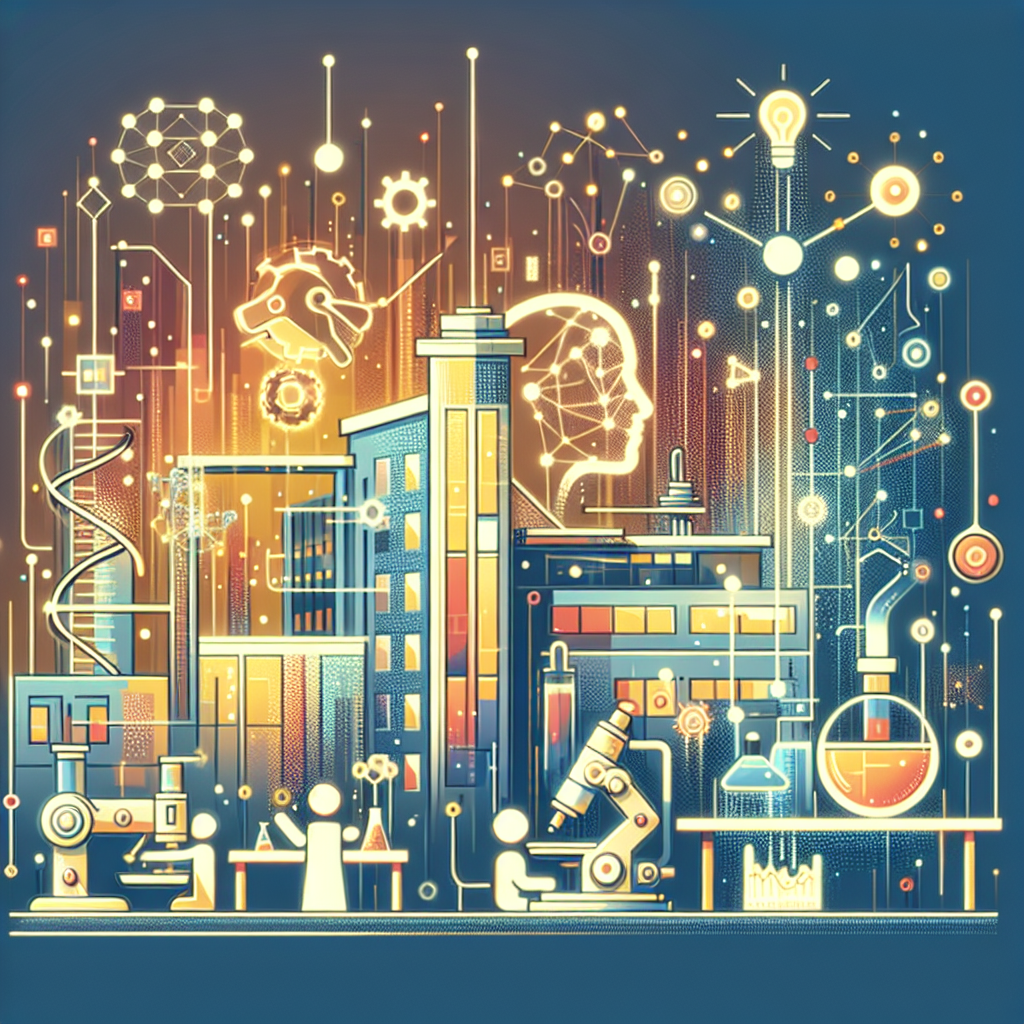
AI in Action: Transforming Discovery
Have you ever wondered how artificial intelligence (AI) reshapes scientific discovery? Imagine a world where researchers analyze complex data sets in minutes instead of months. That world is here. AI stands at the forefront of scientific advancement, enabling groundbreaking discoveries that once seemed unimaginable. Think about it: in 2020, AI-assisted drug development reduced the time to find potential treatments for COVID-19 from years to just a few months.
Machine learning and natural language processing are two crucial aspects of AI that pave the way for innovation. Machine learning algorithms can sift through massive amounts of data, identifying patterns and correlations that humans might miss. Natural language processing allows computers to understand human language, making research articles more accessible. This evolution presents opportunities and challenges. It opens doors for efficiency while calling for ethical considerations.
Real-World Breakthroughs
Let’s look at some compelling examples. In medicine, researchers used AI to predict protein structures with exceptional accuracy. The AlphaFold project, developed by DeepMind, demonstrated AI’s potential in understanding how proteins fold. This knowledge could lead to new treatments for diseases like Alzheimer’s and cystic fibrosis.
In astronomy, AI analyzes data from telescopes faster than any human. It has identified thousands of new exoplanets. We now glimpse worlds beyond our own, changing how we think about the universe. Imagine the implications for humanity. We may discover signs of life beyond Earth or learn more about the origins of our planet.
Environmental science also benefits. AI models predict climate patterns, guiding conservation efforts. Researchers can identify areas at risk of wildlife extinction, enabling timely interventions.
Amidst these advances, profound questions arise.
The Ethical Landscape
What responsibilities do scientists have when harnessing AI for research? The potential for misuse exists. Algorithms can perpetuate biases if not carefully monitored. Ethical frameworks must accompany technological gains. Scientists and technologists must ensure AI serves the greater good.
Another critical question emerges: How does this technological revolution affect the very nature of discovery? Traditionally, discovery required patience and meticulous experimentation. Now, AI accelerates that process. But does this speed enhance or dilute the scientific rigor we cherish?
Finally, as we embrace AI, we must address misinformation risks. Reliable data becomes paramount. Society struggles with misleading information daily. Striking a balance between AI’s benefits and its potential pitfalls is essential.
Engaging with these questions encourages us to reflect on the future. Each breakthrough offers a chance to reshape humanity’s trajectory. But as we advance, we must approach AI with caution and responsibility.
Across various fields, AI fuels discovery with remarkable speed. From protein structures to climate predictions, it opens up new horizons. But we face ethical challenges that demand our attention. Through structured exploration and meaningful dialogue, we can harness AI’s power responsibly. Leading the way involves reflecting on our priorities as a society. The future of scientific discovery rests in our hands—and it is an exciting journey that awaits.
Continue Your Tech Journey
Learn how the Internet of Things (IoT) is transforming everyday life.
Explore past and present digital transformations on the Internet Archive.
OPED_V1
