

Top Highlights
-
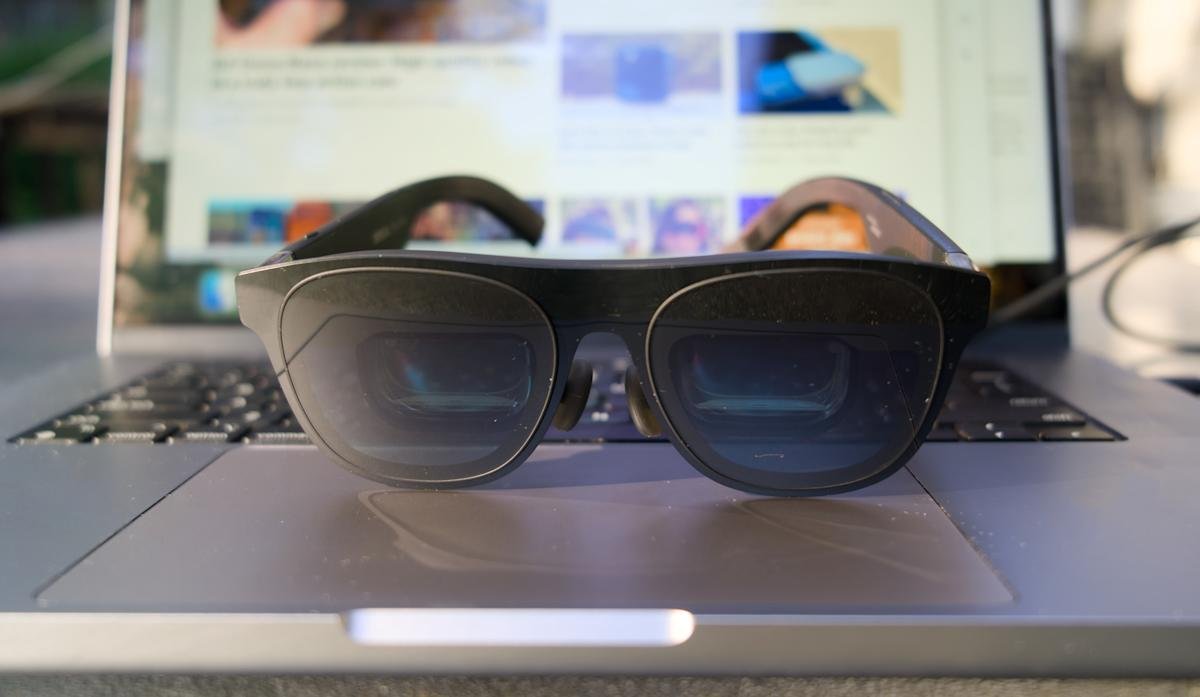
Xreal’s Project Aura offers a more affordable alternative to high-end XR devices like Samsung’s Galaxy XR and Apple’s Vision Pro, featuring comfortable, oversized sunglasses that project virtual displays on transparent lenses.
-
Pricing Speculation suggests that Project Aura will likely be cheaper than the $1,800 Galaxy XR, given Xreal’s history of delivering devices priced between $200 and $649, despite some complexity added by a tethered computing puck.
-
Apple Vision Air Concept outlines a potential future where Apple creates lightweight smart glasses that leverage visionOS, offering a lighter, more comfortable design capable of surpassing Xreal’s current field of view.
-
Market Impact: The emergence of more affordable Android XR devices could incentivize Apple to innovate and release a practical alternative that pairs functionality with a reasonable price point, appealing to a broader audience.
What’s Next for Vision Pro? Time for Apple to Learn from Xreal’s Smart Glasses
As Apple pushes the boundaries of augmented reality with its Vision Pro, a shift in strategy could enhance its appeal. Specifically, Apple might take inspiration from Xreal’s latest smart glasses, Project Aura. Unlike bulky headsets, Xreal’s designs resemble oversized sunglasses, projecting virtual displays on transparent lenses.
While testing Apple’s Vision Pro, the need for a more accessible alternative became clear. Currently priced at $3,500, many consumers question whether such an investment is worthwhile. In contrast, Xreal offers its One Pro at $649, emphasizing comfort and affordability.
Moreover, Xreal’s strategy could set a blueprint for Apple. Imagine a “Vision Air” that combines sleek design with functionality. This concept would leverage lighter materials, making it more comfortable to wear for extended periods. It would also allow users to stay engaged with their surroundings, avoiding the claustrophobic feel of traditional VR headsets.
Additionally, Apple could use its existing technology. By repurposing the Vision Pro’s battery into a computing puck, the Vision Air could still manage virtual content without needing the full power of the M5 chip. This would enable essential features like 3D mapping and app support.
Xreal’s devices already boast a 70-degree field of view, which enhances immersion. Apple could aim to surpass this, offering users a broader virtual experience. With such innovations, the Vision Air could effectively support creative professionals seeking applications that blend virtual and real worlds.
While the market for affordable XR is still developing, Xreal sets a benchmark. If the company can design effective smart glasses under $1,000, Apple could certainly follow suit. With recent demand for more accessible technology, developing a competitively priced option could position Apple as a leader in the evolving AR space. Urban innovation could benefit significantly, as smart glasses pave the way for enhanced connectivity and productivity in smart cities.
If Apple adopts these insights, the Vision Air might not just become a reality; it could redefine how users experience augmented information and interaction. The future of smart glasses looks promising, especially with a push towards affordability.
Continue Your Tech Journey
Stay informed on the revolutionary breakthroughs in Quantum Computing research.
Discover archived knowledge and digital history on the Internet Archive.
GadgetsV1
