

Top Highlights
- Waymo developed a new computer model to evaluate autonomous driving against human behavior.
- The model utilizes active inference, simulating human anticipation in crash scenarios.
- This Reference Driver model predicts complex human reactions, improving safety assessments.
- Waymo encourages collaboration by sharing the research code for further development.
Advancing the Benchmark for Autonomous Driving
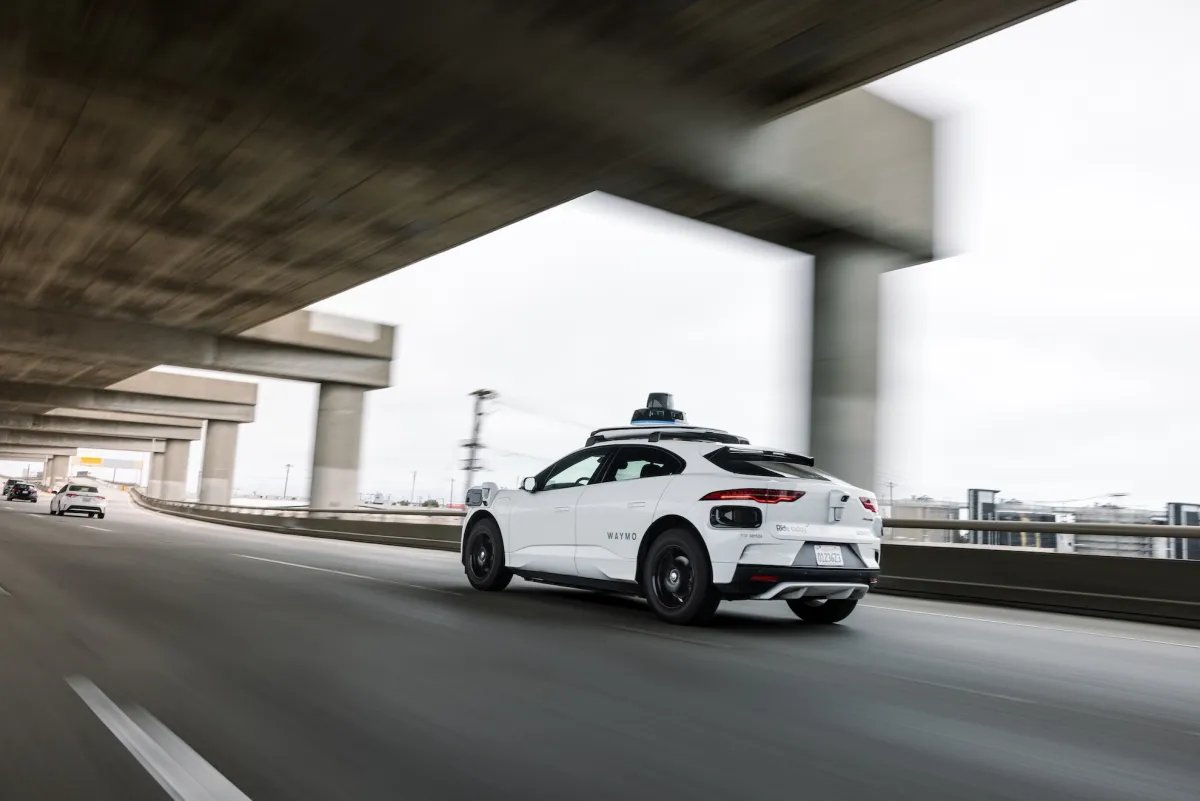
Waymo’s latest development, the Reference Driver model, promises a significant leap in evaluating autonomous vehicle performance against human capabilities. Built with insights from TU Delft, this model seeks to redefine benchmarks in a rapidly evolving industry. Historically, the automotive sector has relied on physical and virtual crash dummies to assess safety features. Waymo’s approach shifts away from mere simulations of last-second reactions, introducing a deeper understanding of human-like decision-making.
The Reference Driver employs the concept of active inference. It simulates how drivers anticipate possible outcomes and make choices to navigate potential dangers. This nuanced model accounts for the complex mental processes that occur before a crash, thus offering a more reliable benchmark for robotaxis. By enriching the data pool with realistic human reactions, Waymo enhances its ability to predict and respond to scenarios that its vehicles might encounter in everyday driving.
Navigating the Challenges Ahead
The implications of this model extend beyond technical innovation. As Waymo expands its services to more cities, public skepticism and regulatory scrutiny grow. A recent incident involved a Waymo robotaxi striking a child, raising questions about the reliability of its safety claims. By utilizing the Reference Driver model, Waymo aims to fortify its stance that its autonomous systems perform on par with attentive human drivers.
This benchmark model not only offers a method to evaluate safety but also sets the stage for collaboration across the industry. Waymo has committed to sharing its research code, inviting others to refine and build upon its findings. This open-access approach encourages collective advancement in safety standards and technological capabilities. As autonomous vehicles inch closer to mainstream acceptance, models like the Reference Driver will shape discussions about safety, functionality, and ultimately, public trust.
Continue Your Tech Journey
Learn how the Internet of Things (IoT) is transforming everyday life.
Access comprehensive resources on technology by visiting Wikipedia.
TechV1
