
Close Menu
    Facebook X (Twitter) Instagram
    Friday, October 30
    Top Stories:
    • Tencent Launches WorkBuddy AI Agent in Southeast Asia Amid Competition
    • Toxic Fire Salamanders Hide a Secret Glow
    • China’s Proposed AI Export Bans: Short-Term Costs, Long-Term Gains
    Facebook X (Twitter) Instagram Pinterest Vimeo
    IO Tribune
    • Home
    • AI
    • Tech
      • Gadgets
      • Fashion Tech
    • Crypto
    • Smart Cities
      • IOT
    • Science
      • Space
      • Quantum
    • OPED
    IO Tribune
    Home » Waymo’s Virtual Driver: Unraveling Human Reactions to Road Surprises
    Tech

    Waymo’s Virtual Driver: Unraveling Human Reactions to Road Surprises

    Lina Johnson MercilliBy Lina Johnson MercilliJune 10, 2026No Comments3 Mins Read
    Share Facebook Twitter Pinterest LinkedIn Tumblr Reddit Telegram Email
    Share
    Facebook Twitter LinkedIn Pinterest Email

    Fast Facts

    1. Waymo introduces ReD, a cognitive model for simulating human driving decisions.
    2. The model aims to set safety benchmarks for autonomous vehicle systems.
    3. Developed with Delft University, ReD mimics human conflict resolution behaviors.
    4. Waymo plans to collaborate with industry leaders to establish safety standards.

    Redefining Safety Standards in Autonomous Vehicles

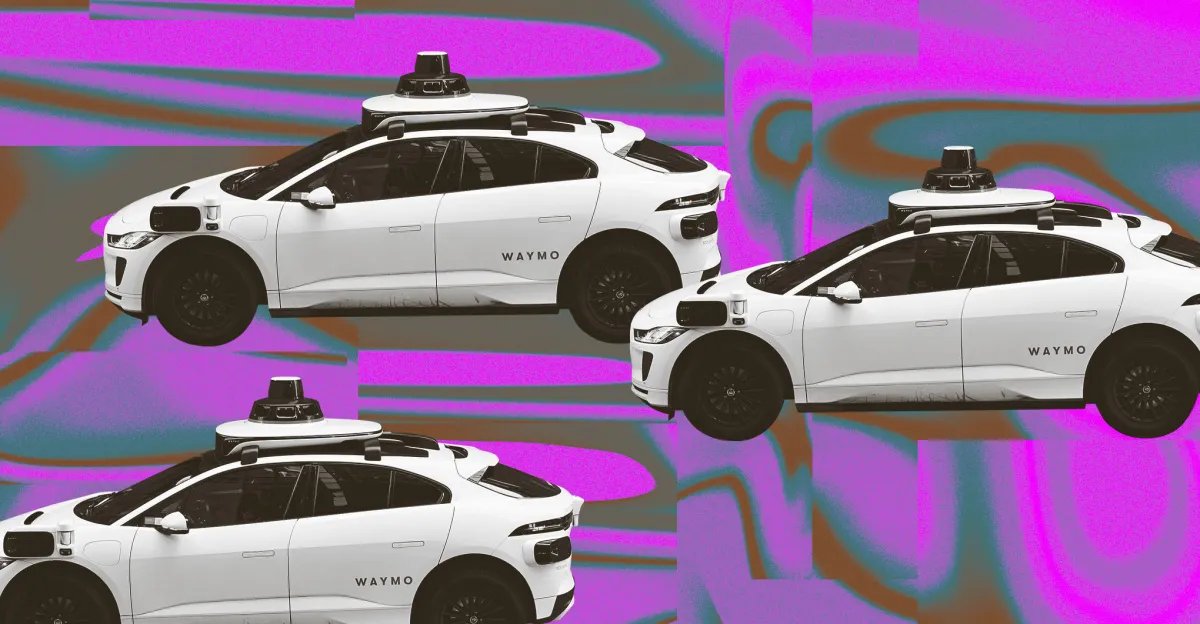
    Waymo has taken a significant step in studying how human drivers respond to unexpected situations on the road. The company recently published research in Nature Communications, introducing a virtual driver model called ReD, which stands for “Reference Driver.” This model mimics human decision-making processes to enhance the safety of autonomous vehicles.

    Waymo designed ReD in collaboration with Delft University of Technology in the Netherlands. Just as auto manufacturers use crash test dummies to assess vehicle safety, ReD serves as a behavioral tool. It allows researchers to gauge how well autonomous systems can navigate potential hazards. Mauricio Peña, Waymo’s chief safety officer, emphasizes the model’s importance in promoting a consistent, science-based standard for evaluating collision avoidance.

    ReD relies on a neuroscience framework known as active inference. This approach reflects how human brains minimize surprise, a crucial factor in driving. The model simulates key human traits, such as how drivers perceive threats. It recreates the inherent challenges of judging speeds at a distance, accounts for traffic norms, and mimics the natural hesitation drivers face when switching between acceleration and braking. This holistic representation goes beyond mere emergency simulations. ReD incorporates proactive strategies to detect risks early, allowing vehicles to adjust their actions before conflicts escalate.

    A Collaborative Effort Toward a Safer Future

    Waymo’s initiative goes beyond developing its technology. The company actively collaborates with researchers, regulators, and standards organizations like the SAE to establish unified safety definitions. By making the ReD model open source, Waymo invites others to test and build upon this benchmark. This open approach can catalyze industry-wide improvements and facilitate a shared understanding of what constitutes a competent human response while driving.

    As autonomous vehicle technology continues to evolve, establishing common safety benchmarks becomes essential. While challenges remain, incorporating human-like decision-making processes offers a pathway to enhance public trust and safety. Waymo’s innovative model stands out as a potential game-changer, pushing the industry closer to a future where autonomous systems operate alongside human drivers in a safer, more reliable manner. The evolution of these technologies promises not just advancements in convenience but also a substantive increase in roadway safety for everyone.

    Stay Ahead with the Latest Tech Trends

    Stay informed on the revolutionary breakthroughs in Quantum Computing research.

    Access comprehensive resources on technology by visiting Wikipedia.

    TechV1

    Innovation Management Tech technology VT1
    Share. Facebook Twitter Pinterest LinkedIn Tumblr Email
    Previous ArticleGoogle Gemini Enables AI’s World Cup Debut
    Next Article Satellites Spot Forest Drought Stress Early
    Avatar photo
    Lina Johnson Mercilli
    • Website

    Lina Johnson Marcelli is the editor for IO Tribune, bringing over two decades of experience in journalism to her role. With a BA in Journalism, she is passionate about delivering impactful stories that resonate with readers. Known for her keen editorial vision and leadership, Lina is dedicated to fostering innovative storytelling across the publication. Outside of work, she enjoys exploring new media trends and mentoring aspiring journalists.

    Related Posts

    Gadgets

    Google Photos Fixes Bug Hiding Edited Images From Other Apps

    October 30, 2026
    Space

    Artemis II Commander Reid Wiseman Named NASA JPL Deputy

    October 29, 2026
    AI

    Defense Contractor Gave AI Agent Access to Secure Pentagon System

    October 29, 2026
    Add A Comment

    Comments are closed.

    Must Read

    Google Photos Fixes Bug Hiding Edited Images From Other Apps

    October 30, 2026

    Artemis II Commander Reid Wiseman Named NASA JPL Deputy

    October 29, 2026

    Defense Contractor Gave AI Agent Access to Secure Pentagon System

    October 29, 2026

    Tencent Launches WorkBuddy AI Agent in Southeast Asia Amid Competition

    October 29, 2026

    Toxic Fire Salamanders Hide a Secret Glow

    October 29, 2026
    Categories
    • AI
    • Crypto
    • Fashion Tech
    • Gadgets
    • IOT
    • OPED
    • Quantum
    • Science
    • Smart Cities
    • Space
    • Tech
    Most Popular

    A Pause Could Reveal Early Dementia Signs

    May 13, 2026

    Affordable E-Reader: Frustration and Untapped Potential

    February 1, 2026

    Privacy-Preserving AI Training on Everyday Devices

    May 4, 2026
    Our Picks

    Bitcoin Surges Past Ethereum in ETF Inflows: A Market Shift Unveiled

    October 8, 2025

    Next-Gen AI Powered by Materials Science Innovation

    July 21, 2026

    OnePlus Open Launches Android 16 with OxygenOS 16 Update in North America!

    December 14, 2025
    Categories
    • AI
    • Crypto
    • Fashion Tech
    • Gadgets
    • IOT
    • OPED
    • Quantum
    • Science
    • Smart Cities
    • Space
    • Tech
    • Privacy Policy
    • Disclaimer
    • Terms and Conditions
    • About Us
    • Contact us
    Copyright © 2025 Iotribune.comAll Rights Reserved.

    Type above and press Enter to search. Press Esc to cancel.