

Top Highlights
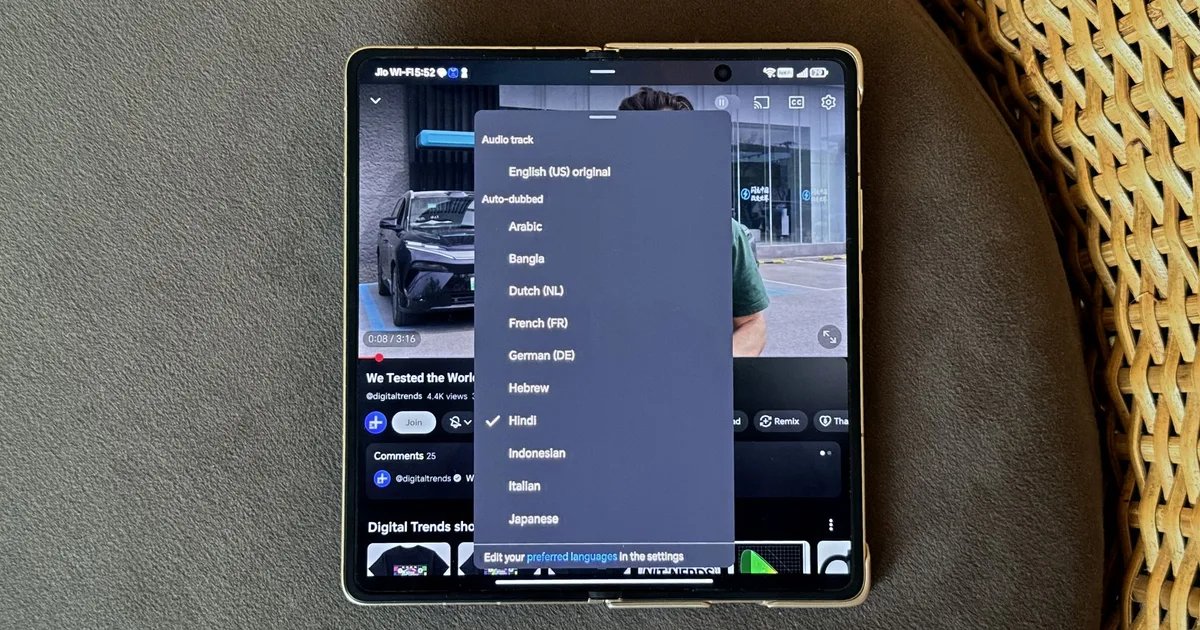
- YouTube’s auto-dubbing feature can unexpectedly switch audio to foreign languages.
- Creators can disable auto-dubbing, but viewers lack similar control options.
- The platform doesn’t remember user settings for original audio preferences.
- Users are frustrated, seeking workarounds for a feature that lacks flexibility.
Creators Have Control, Viewers Do Not
YouTube’s auto-dubbing feature aims to enhance accessibility. It translates videos into different languages, catering to non-native speakers and those who prefer their native tongue. However, it also raises significant concerns regarding user autonomy. The feature grants creators the option to disable auto-dubbing, recognizing their unique voice and identity. Yet, viewers lack similar options. This imbalance frustrates many who simply want to enjoy content in its original form.
Imagine watching a beloved creator, only to have their voice replaced unexpectedly. This is what happened to me when Marques Brownlee, known as MKBHD, began speaking Japanese in one of his videos. I hadn’t opted for this change. YouTube decided without my consent. The platform assumes everyone prefers the dubbed version because of language settings or viewing habits. Yet this reflects a severe misunderstanding of viewer preferences.
Many users seek workarounds to bypass auto-dubbing. They rely on browser extensions or alternative apps to control their experience. These actions highlight a gap in YouTube’s design. The company knows how to track preferences, yet it doesn’t apply this knowledge to allow users to disable auto-dubbing universally.
Auto-Dubbing Needs an Off Switch
Auto-dubbing is not inherently bad. It serves a purpose for specific demographics—like language learners or those with accessibility needs. Still, YouTube must distinguish between offering a service and imposing it. Relying on default settings alienates many viewers who expect better control over their viewing experience.
The solution is simple. YouTube should provide a toggle in account settings for viewers to disable auto-dubbing. This option would ensure a consistent experience across all videos. It would acknowledge that viewers have preferences just like creators do.
Without this toggle, YouTube continues to assume it knows what users want. This approach undermines the viewer experience, reducing the technology’s potential for genuine engagement. The auto-dubbing feature could be a meaningful addition to the platform if users had the choice to opt-out. Until YouTube provides this option, the feature remains a source of frustration rather than a solution.
Continue Your Tech Journey
Dive deeper into the world of Cryptocurrency and its impact on global finance.
Discover archived knowledge and digital history on the Internet Archive.
TechV1
