

Top Highlights
-
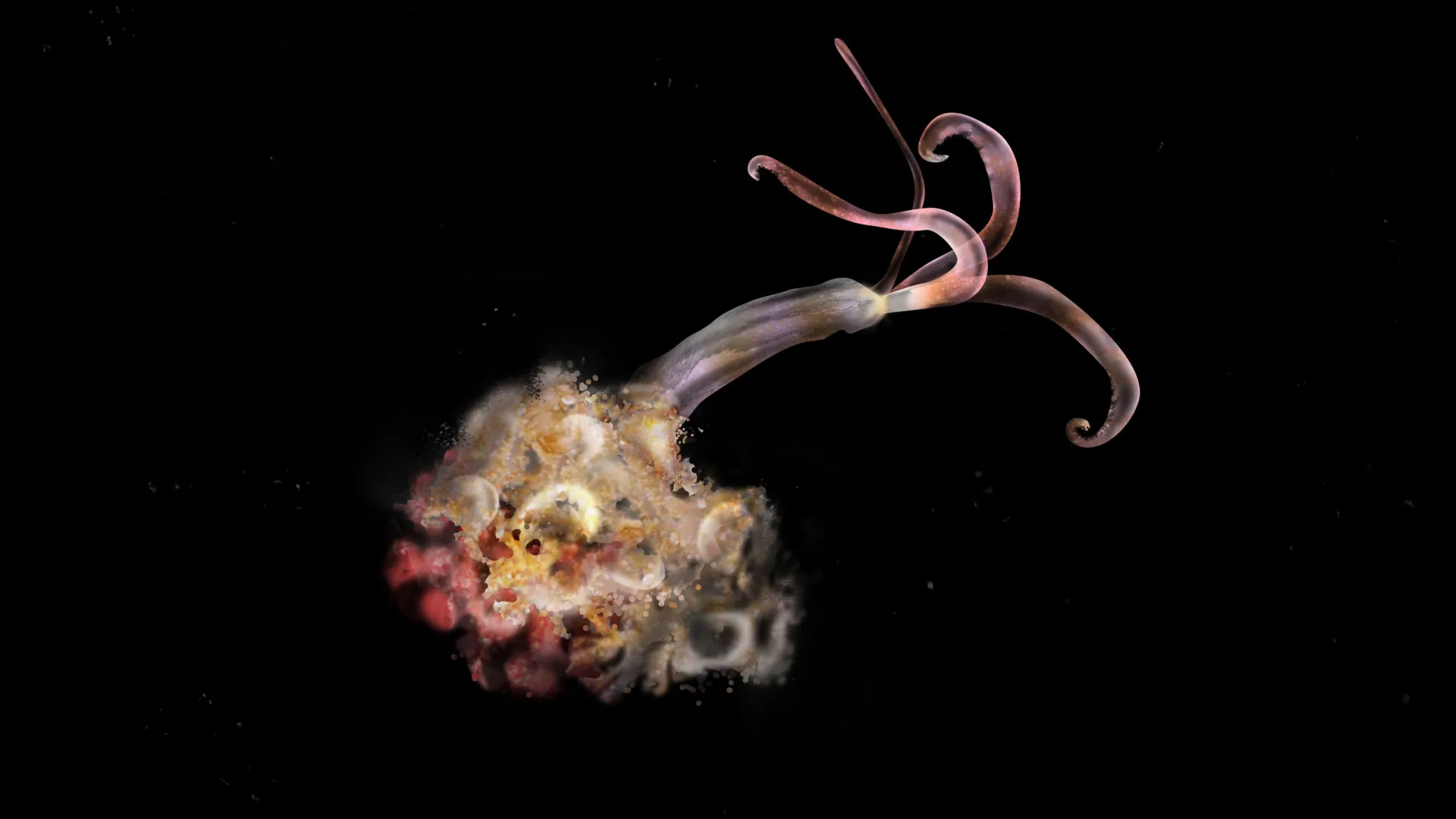
Concerning Disappearance: The absence of the zombie worm, Osedax, in a decade-long deep-sea study raises alarms about potential ecosystem collapse and species loss linked to climate change.
-
Unique Feeding Mechanism: Osedax worms, lacking a traditional digestive system, rely on microbes to extract nutrients from whale bones, making them essential for nutrient recycling in deep-sea food webs.
-
Ecosystem Impact: The lack of Osedax indicates disruptions in “whale falls,” which serve as vital nutrient sources, potentially leading to cascading effects on biodiversity and connectivity between species.
-
Broader Consequences: Expanding low-oxygen zones due to ocean warming threaten other deep-sea engineers, such as wood-boring Xylophaga bivalves, further jeopardizing the health of marine ecosystems.
The Unseen Alarm: Disappearance of Zombie Worms
In horror films, unseen threats create the most tension. Similarly, scientists now worry about the mysterious absence of zombie worms, or Osedax, in the deep ocean. For years, these unique creatures have played a critical role in breaking down whale bones, supporting vital deep-sea food webs. Their disappearance could indicate severe ecological disruptions linked to climate change.
Researchers have observed these worms for over a decade, placing whale bones in the ocean to monitor their colonization. Alarmingly, high-resolution footage captured no signs of zombie worms. This negative result is critical. It suggests that increasingly low oxygen levels at the study site may pose dire consequences for marine ecosystems.
The Cost of Absence: Implications for Ecosystems
Without Osedax, the recycling of nutrients from whale falls faces a significant threat. These “island” habitats typically support a wealth of biodiversity. However, without the worms, fewer species can access essential nutrients stored in decomposing whale remains. This disruption can lead to a cascade of species loss, limiting habitat connectivity for Osedax larvae and potentially diminishing diversity across entire regions.
In addition, other deep-sea organisms may also suffer. Wood-boring bivalves show reduced colonization rates, likely due to expanding oxygen minimum zones. As temperatures rise and oxygen levels drop, both whale-fall and wood-fall ecosystems could face increased challenges. Scientists continue monitoring these habitats, as understanding their dynamics plays a foundational role in sustaining life in our oceans.
Continue Your Tech Journey
Stay informed on the revolutionary breakthroughs in Quantum Computing research.
Stay inspired by the vast knowledge available on Wikipedia.
TechV1
