

Quick Takeaways
-
Agentic AI Integration: ZTE Corporation is embedding agentic AI into networks, computing, homes, and personal devices, demonstrating a significant reduction in troubleshooting times and enhancing customer experience through co-creation and responsiveness.
-
Organizational Resilience: Cui Li emphasizes the need for agility and stability in organizations to navigate uncertainty, advocating for a long-term commitment to digital transformation and the importance of an AI mindset as foundational for intelligent adaptation.
-
Human Oversight in AI: Maintaining human involvement is crucial as AI systems become more autonomous; companies should focus on knowledge engineering, compliance, and ensuring that human accountability remains central in the decision-making processes.
-
Future of AI Collaboration: Organizations should prepare for evolving agentic AI by developing long-term strategies that prioritize talent capable of leveraging AI, restructuring processes for human-AI symbiosis, and focusing on high-value, specific business scenarios for effective deployment.
ZTE’s Vision for Agentic AI
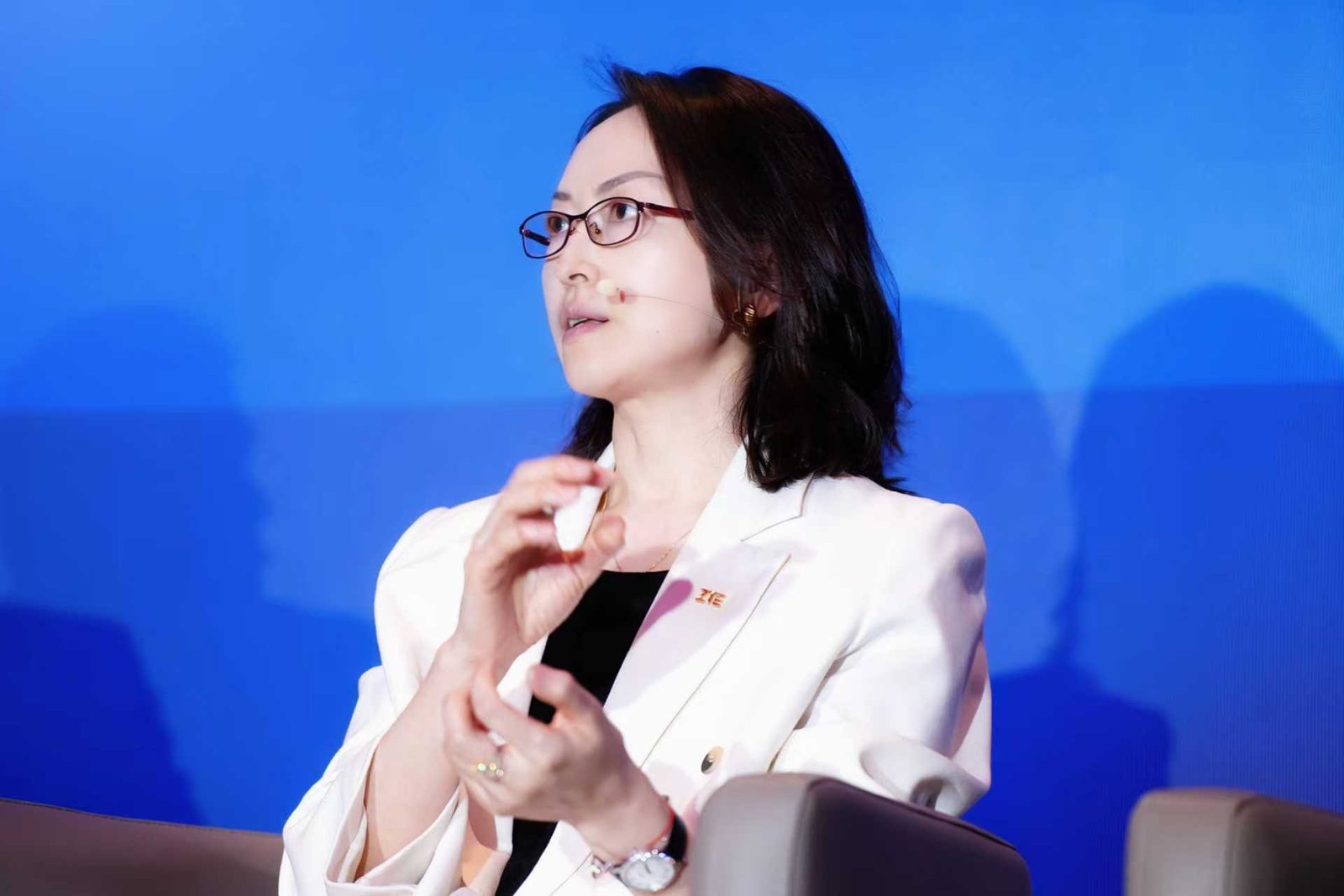
ZTE Corporation’s Chief Development Officer, Cui Li, presented at AI Innovation Asia 2025, organized by Economist Impact. During her panel on “How May AI Help You? Agentic AI and the Customer Experience,” she discussed how agentic AI transforms customer interactions. According to Cui, ZTE integrates this technology into core areas like networks, computing, and personal devices under its “AI for All” strategy. For instance, through collaboration with China Mobile, ZTE developed multi-agent systems that can detect network issues and self-repair, which reduced troubleshooting time by 47%.
Moreover, Cui emphasized the importance of building resilience and adaptability in today’s uncertain environment. Digital transformation lays the foundation for true intelligence. Therefore, she advised organizations to remain proactive and agile, focusing on small, incremental improvements to achieve long-term success.
The Role of Humans in AI Evolution
Cui Li also addressed the need for human oversight in the AI decision-making process. She stressed that while AI can automate tasks, human accountability remains crucial. Tasks like design and review should still involve human judgment to navigate complexities that AI cannot fully understand.
Looking forward, Cui projected that agentic AI will evolve into more autonomous digital partners. Yet, organizations must initiate strategic planning to embrace this technology effectively. By focusing on specific business scenarios and iterating quickly, companies can adapt to changes. She concluded that a future of “human-AI symbiosis” will redefine workforce dynamics, requiring new skill sets to maximize AI’s potential.
Discover More Technology Insights
Explore the future of technology with our detailed insights on Artificial Intelligence.
Stay inspired by the latest discoveries from NASA.
IoTV1
