

Essential Insights
-
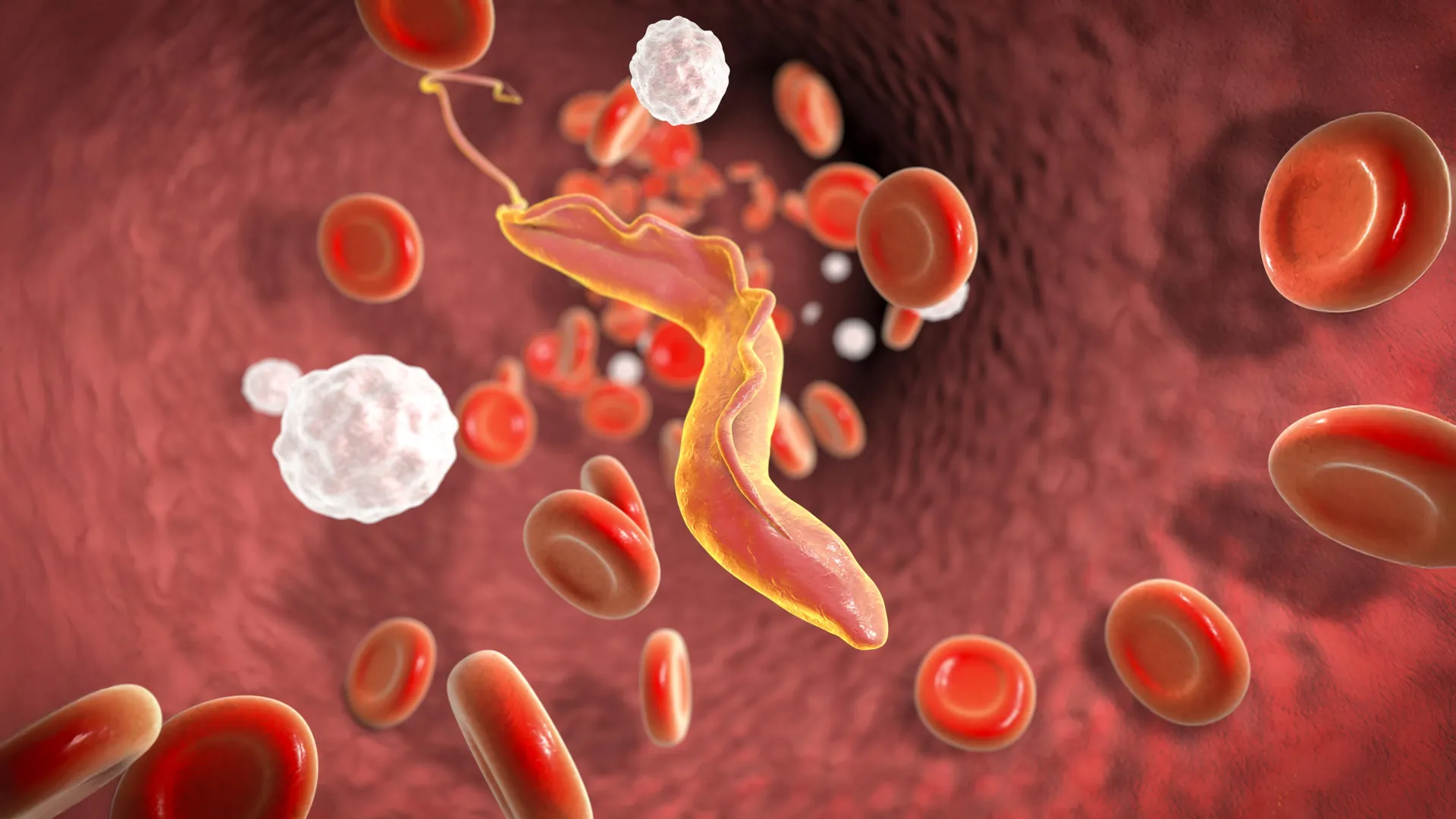
Protective Cloak Mechanism: The African trypanosome uses variant surface glycoproteins (VSG) to evade the human immune system, with a newly discovered protein, ESB2, crucial for this process.
-
Real-Time Genetic Editing: ESB2 functions as a “molecular shredder” within the parasite’s protein production center, cutting selected genetic instructions to maintain production of cloak proteins, while limiting helper proteins essential for survival.
-
Implications for Treatment: Understanding this precise genetic control mechanism opens potential targets for developing new treatments for Sleeping Sickness, a life-threatening condition in sub-Saharan Africa.
-
Research Impact: This breakthrough from the University of York highlights the innovative contributions of diverse scientific teams and addresses a long-standing mystery in parasite biology, showcasing the importance of fresh perspectives in research.
Molecular Shredder: Nature’s Hidden Weapon
Scientists have identified a remarkable protein called ESB2 that enables the African trypanosome parasite to survive within the human bloodstream. This parasite cleverly disguises itself with a protective layer made of variant surface glycoproteins (VSG). However, ESB2 functions as a “molecular shredder,” allowing the parasite to edit its genetic instructions in real time. This novel approach helps the parasite remain undetected by the host’s immune system.
The study published in Nature Microbiology sheds light on how the parasite maintains survival through selective genetic editing. Instead of merely controlling the quantity of proteins produced, the parasite destroys certain genetic instructions altogether. This process shifts our understanding of infection and suggests that many organisms may rely on targeted gene destruction to thrive. By recognizing these strategic weaknesses, researchers open the door to potentially addressing Sleeping Sickness, a disease with severe implications for public health in sub-Saharan Africa.
Implications for Future Research and Treatment
The discovery of ESB2 addresses a mystery that has troubled scientists for decades. Previously, researchers struggled to comprehend why the parasite produced a disproportionate amount of cloak proteins while generating fewer helper proteins. With this new insight, understanding the parasite’s behavior may pave the way for innovative treatments. As scientists uncover more about the life cycle of African trypanosomes, they will likely identify vulnerable points to target therapeutically.
Furthermore, this groundbreaking finding exemplifies the collaboration and ingenuity of global scientists. It reinforces the significance of research diversity in tackling age-old problems. The impact of the “molecular shredder” extends beyond just one parasite; it signifies a larger potential for discoveries that can change how we approach infectious diseases. As we gather more insights, we inch closer to more effective treatments and, ultimately, improved health outcomes for populations affected by these diseases.
Continue Your Tech Journey
Learn how the Internet of Things (IoT) is transforming everyday life.
Discover archived knowledge and digital history on the Internet Archive.
TechV1
