

Quick Takeaways
-
Fusion vs. Electricity: While creating fusion reactions is relatively straightforward, the challenge lies in efficiently converting those reactions into usable electricity, a critical hurdle for the emerging fusion power industry.
-
New Radiovoltaics Development: Avalanche Energy has received a $5.2 million DARPA contract to develop advanced radiovoltaics, which could enhance energy capture from fusion by converting radiation into electricity more effectively than current methods.
-
Nuclear Battery Applications: The Pentagon is interested in using these new materials for nuclear batteries that power spacecraft and autonomous military systems, linking Avalanche’s research to broader energy solutions in challenging environments.
-
Industry Implications: If successful, Avalanche’s technology could improve electricity production in fusion reactors and provide solutions for other fusion startups, contributing to the industry’s goal of achieving breakeven—where fusion reaction output exceeds input power.
Unlocking Fusion’s Potential
Fusion power has long stood at a crossroads. Scientists know how to create fusion reactions, yet transforming these reactions into usable electricity poses significant challenges. Existing methods, such as heating water to drive steam turbines, achieve limited efficiency. The best systems capture only about 60% of the energy. This inefficiency slows down the critical transition to commercial fusion power. However, innovation, particularly in radiovoltaics, holds promise for overcoming these hurdles.
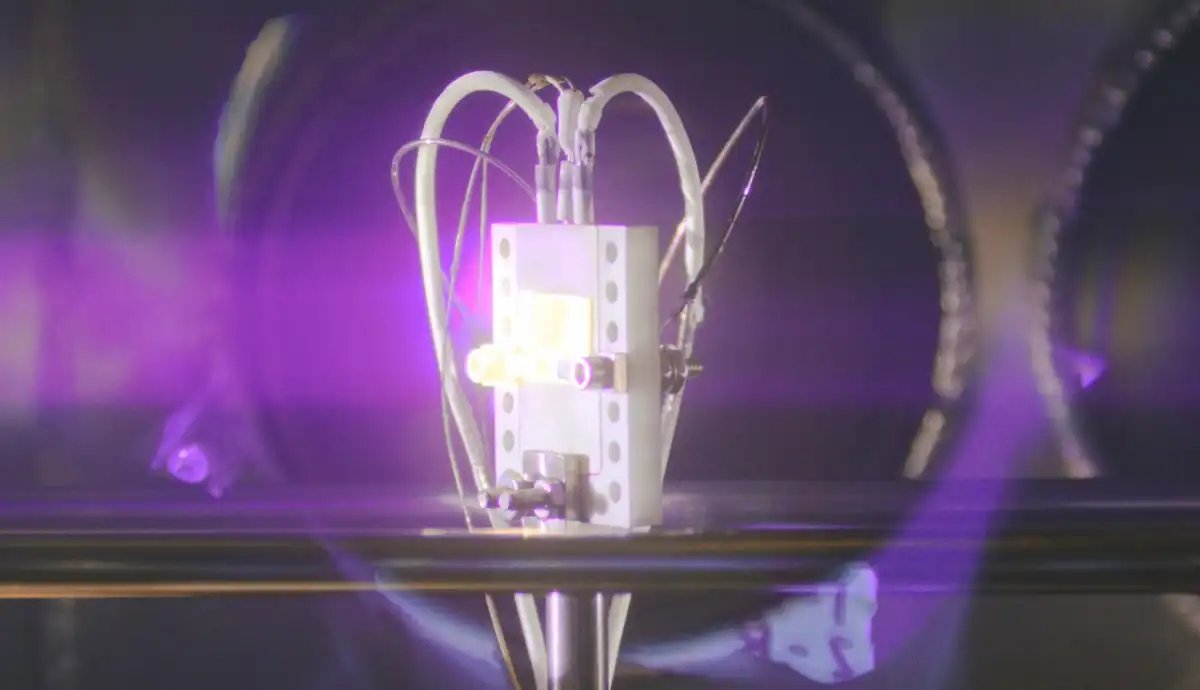
Avalanche Energy recently secured a $5.2 million contract from DARPA to explore new materials for radiovoltaics. These materials could potentially convert radiation from fusion into electricity more effectively than current technologies. The goal is to develop nuclear batteries that rely on radioactive decay to generate power for spacecraft and military applications. While these applications are a step away from widespread electric grid integration, they show the immediate utility of improved radiovoltaics. With the potential to power autonomous military systems for extended periods, these advancements highlight the practical benefits of harnessing fusion’s energy.
Paving the Way for Widespread Adoption
Advancements in fusion technology can directly influence the market for energy solutions. Both fusion reactors and nuclear batteries produce alpha particles, which can damage equipment. However, if Avalanche succeeds in engineering a new radiovoltaic material, it could enhance the durability and efficiency of fusion reactors. Such innovations would not only increase electricity production but would also contribute to making fusion power commercially viable.
Additionally, the rapid pace of development among fusion startups, including the aim to reach breakeven efficiency, underscores the urgency of these advancements. If Avalanche can create a technology that utilizes alpha particles effectively, it might serve other fusion companies as well. This small ecosystem of collaboration within the industry can drive momentum toward achieving sustainable fusion energy. In a world seeking reliable energy sources, particularly amid rising climate concerns, the ongoing race toward fusion power through innovations like nuclear batteries may chart a new course for humanity’s energy landscape.
Stay Ahead with the Latest Tech Trends
Learn how the Internet of Things (IoT) is transforming everyday life.
Access comprehensive resources on technology by visiting Wikipedia.
TechV1
