

Top Highlights
- Kitchen sponges release measurable microplastics during dishwashing, impacting the environment.
- Water consumption during dishwashing causes much larger environmental harm than microplastics.
- Research used real household data and laboratory testing to assess sponge wear.
- Consumers can reduce impact by using less water and choosing low-plastic sponges.
The Overlooked Source of Microplastics
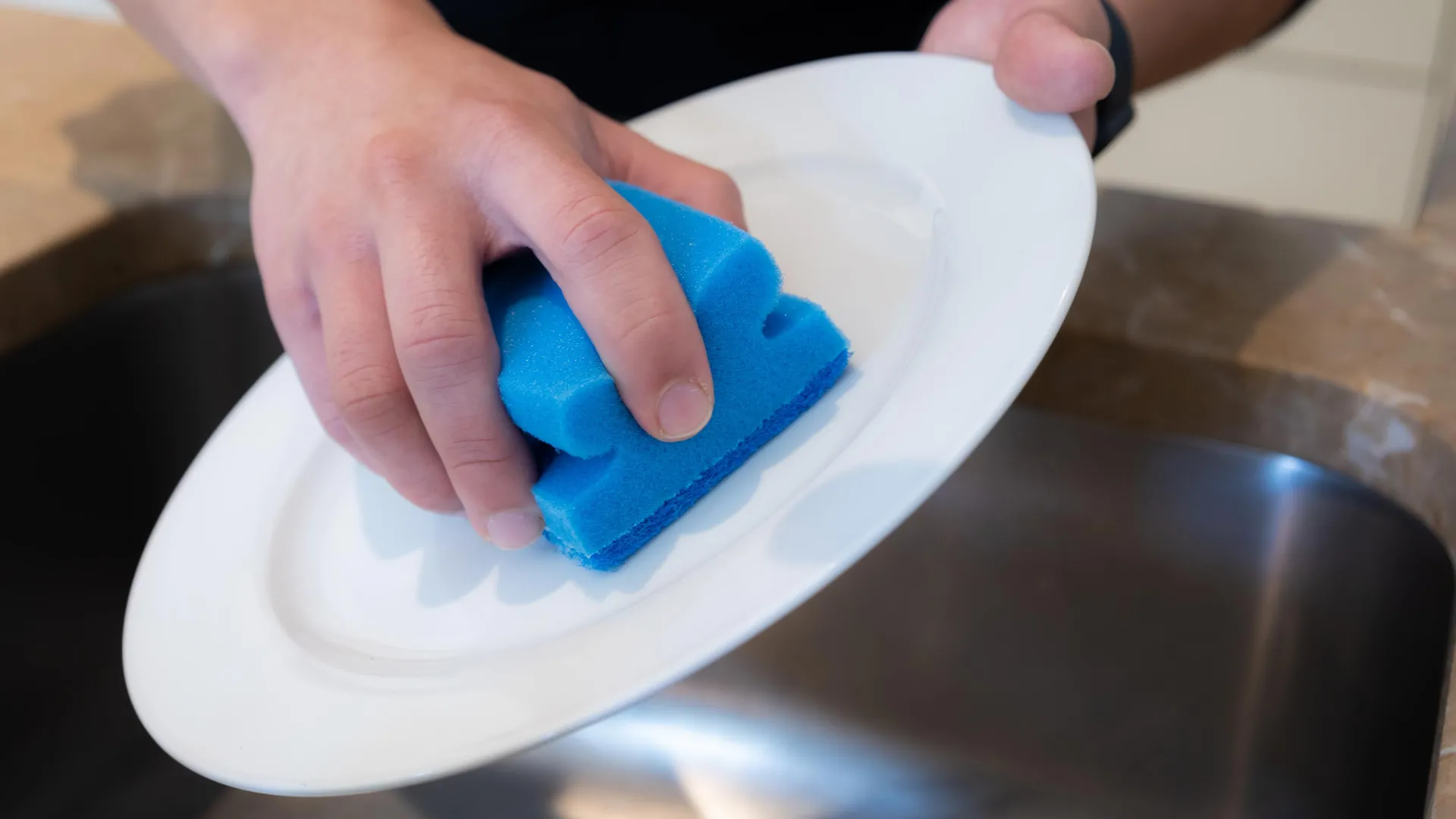
Kitchen sponges are a staple in most homes. They help us keep our dishes clean, but they may also contribute to microplastic pollution. Recent research from the University of Bonn sheds light on this issue. The study reveals that kitchen sponges release significant amounts of microplastics over time. Each sponge sheds particles as it wears down. Depending on the type, an individual can emit between 0.68 grams and 4.21 grams of microplastics each year.
This finding raises important questions. How much plastic ends up in our water systems? While household usage provides the bulk of data, researchers used an innovative approach. They mixed lab tests with real-life sponge use, measuring loss through everyday dishwashing routines. This collaboration allows us to understand better how pure data translates into real-world impact.
The study indicates that millions of households could contribute large-scale emissions. If only one sponge type were used in every German home, annual emissions could total around 355 tonnes. While wastewater treatment plants capture many particles, a considerable amount still finds its way into our rivers, lakes, and oceans.
Prioritizing Water Use in the Fight Against Pollution
Despite these concerning findings, microplastics do not represent the primary environmental threat in dishwashing. Most damage stems from water consumption, accounting for 85% to 97% of the overall environmental impact. This perspective shifts the focus. How we wash dishes matters more than the sponge itself.
Consumers can take meaningful actions to lessen their environmental footprint. The most effective change is to use less water when washing dishes. Even small adjustments can yield significant benefits. Selecting sponges with lower plastic content also helps reduce microplastic release. Additionally, extending the lifespan of sponges minimizes resource consumption.
Understanding the balance between convenience and environmental responsibility is critical. As we wield our sponges, we must recognize their role in a larger ecological context. The fight against microplastic pollution requires informed decisions. Each small effort can create ripple effects that lead to more substantial environmental change.
Expand Your Tech Knowledge
Stay informed on the revolutionary breakthroughs in Quantum Computing research.
Stay inspired by the vast knowledge available on Wikipedia.
TechV1
