

Top Highlights
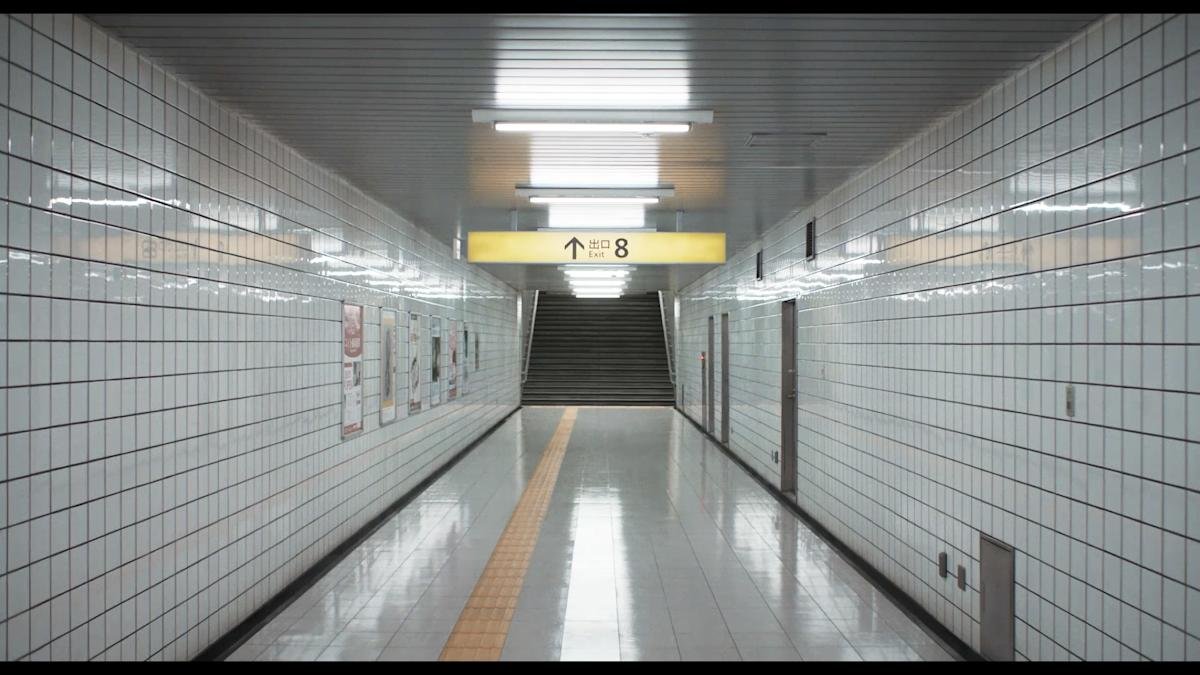
- Exit 8 involves looping through a subway station where players must identify anomalies to progress, symbolizing a labyrinthine challenge.
- Director Genki Kawamura masterfully translates the game’s immersive, first-person experience into film using long shots and dynamic camera work.
- The film balances authentic gameplay immersion with traditional storytelling, exploring themes like hesitation and human connection in urban life.
- Inspired by animation legends and crafted to personify the corridor as a sentient entity, Exit 8 elevates the game into a distinct, cinematic experience.
“Exit 8” is redefining cinema for a livestreaming era, blending immersive storytelling with modern technology. As a film, it captures the essence of its cult indie game source, placing viewers inside a looping subway station full of anomalies. Instead of passive watching, audiences are encouraged to listen carefully and spot subtle changes, creating a deeply engaging experience.
This approach builds on the idea that modern media should put viewers in the shoes of the character. Director Genki Kawamura successfully translates the game’s tension into a seamless film, using sweeping shots and long takes. The result is a narrative that feels alive, almost like watching a live stream of a player navigating a labyrinth.
Smart cities and urban innovation can benefit from this new cinematic style. Just as “Exit 8” turns a simple subway station into a complex, interactive environment, smart city designs aim to make urban spaces more responsive and intuitive. They foster real-time interactions, enhancing safety and convenience.
Furthermore, the film’s emphasis on anomalies and subtle cues echoes the data-driven nature of a smart city. When citizens and officials can notice and respond to tiny changes—like traffic patterns or environmental shifts—they can improve quality of life. The immersive storytelling pushes the audience to be more attentive, mirroring how smart urban systems require active participation.
Kawamura’s work also highlights the importance of externalizing human thought and emotion—qualities that make cities more livable. By making inanimate spaces feel alive and aware, “Exit 8” offers a blueprint for future urban environments that adapt to our needs. The film’s success suggests that technology and creativity together can create cities that are smarter, safer, and more engaging for everyone.
In a digital age, “Exit 8” shows us that the future of entertainment and city living is intertwined. Both realms thrive on connection, observation, and responsiveness—traits that can enhance daily life and redefine how we experience the world around us.
Discover More Technology Insights
Stay informed on the revolutionary breakthroughs in Quantum Computing research.
Stay inspired by the vast knowledge available on Wikipedia.
GadgetsV1
