
Close Menu
    Facebook X (Twitter) Instagram
    Thursday, November 5
    Top Stories:
    • DeepSeek Engineer Defends Open-Source AGI Push Despite Risks
    • Compact Cas12m Enables In Vivo Multiplexed Gene Activation
    • Why Z.ai and MiniMax Lag Anthropic in AI Profit Margins
    Facebook X (Twitter) Instagram Pinterest Vimeo
    IO Tribune
    • Home
    • AI
    • Tech
      • Gadgets
      • Fashion Tech
    • Crypto
    • Smart Cities
      • IOT
    • Science
      • Space
      • Quantum
    • OPED
    IO Tribune
    Home » Breakthrough Chip Shields Wireless Biomedical Devices from Quantum Threats
    Quantum

    Breakthrough Chip Shields Wireless Biomedical Devices from Quantum Threats

    Staff ReporterBy Staff ReporterApril 23, 2026No Comments2 Mins Read
    Share Facebook Twitter Pinterest LinkedIn Tumblr Reddit Telegram Email
    Share
    Facebook Twitter LinkedIn Pinterest Email

    Fast Facts

    1. MIT developed an ultra-efficient microchip that enables post-quantum cryptography for power-constrained wireless biomedical devices, boosting security against future quantum attacks.
    2. The chip incorporates multiple security features, including dual PQC schemes, on-chip random number generation, and safeguards against physical hacking, achieving 20-60x higher energy efficiency.
    3. Designed to protect vulnerable edge devices like sensors and implants, it also features fault detection and anti side-channel countermeasures, ensuring robust protection even with erratic power supplies.
    4. This innovation marks a significant step toward securing the future of medical and resource-limited devices in the era of advanced quantum computing.

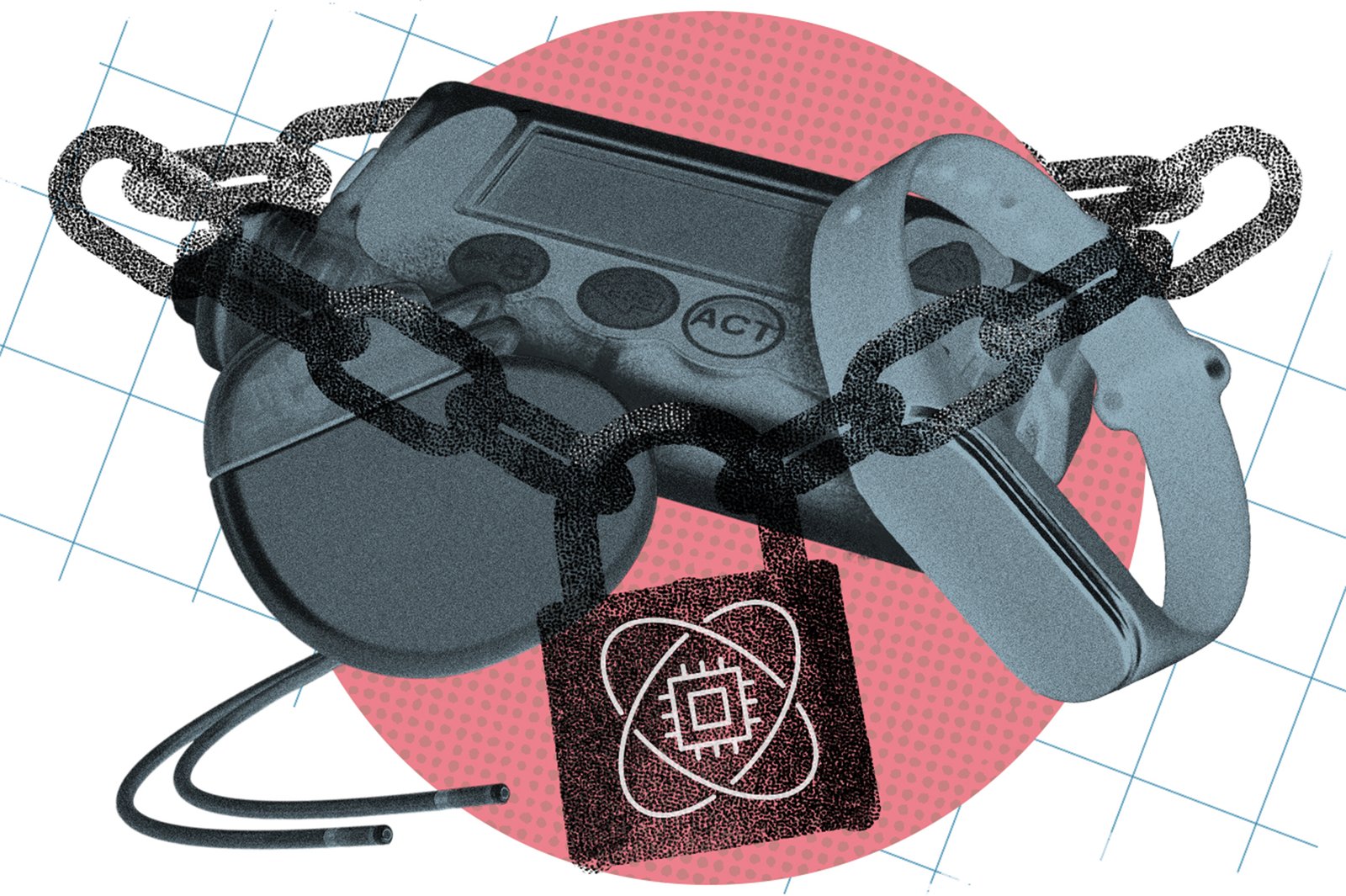
    MIT researchers have created a tiny new chip that can protect wireless medical devices from future cyber threats. As quantum computers grow more powerful, they may be able to break current security systems. This new chip helps ensure the safety of devices like pacemakers and insulin pumps.

    Many wearable or implantable devices are limited by their small size and low power. Because of this, they often cannot run complex security protocols. The MIT chip addresses this challenge by being energy-efficient—more than ten times better than previous designs.

    The chip uses advanced techniques to safeguard data against physical hacking attempts. It includes a built-in random number generator that keeps secret keys safe, and it has measures to prevent common hacking tricks like power side-channel attacks. Additionally, if the device detects power glitches, it stops operating early to save energy and protect data.

    This breakthrough technology is crucial as authorities like NIST begin requiring stronger security standards. Experts believe incorporating quantum-resistant cryptography will become essential for health and industrial devices in the future.

    The team behind the chip hopes it will lead to more secure medical tools and other small devices. Their work shows that high-level protection can be achieved without draining batteries or increasing size. This development could shape the next wave of safe, connected technology in healthcare and beyond.

    Expand Your Tech Knowledge

    Learn how the Internet of Things (IoT) is transforming everyday life.

    Stay inspired by the vast knowledge available on Wikipedia.

    QuantumV1

    Anantha Chandrakasan Cybersecurity data privacy HPC Innovation Post-quantum cryptography PQC Quantum Seoyoon Jang Sustainability VT1 Wireless biomedical devices
    Share. Facebook Twitter Pinterest LinkedIn Tumblr Email
    Previous ArticleNew Brain-Like Chip Could Cut AI Energy Use by 70%
    Next Article Gut Reset: The Key to Prevent Weight Gain After Ozempic or Wegovy
    Avatar photo
    Staff Reporter
    • Website

    John Marcelli is a staff writer for IO Tribune, with a passion for exploring and writing about the ever-evolving world of technology. From emerging trends to in-depth reviews of the latest gadgets, John stays at the forefront of innovation, delivering engaging content that informs and inspires readers. When he's not writing, he enjoys experimenting with new tech tools and diving into the digital landscape.

    Related Posts

    Space

    Some Birds Experience Jet Lag, Research Finds

    November 5, 2026
    AI

    AI Decision Models for Smarter Voice Assistants

    November 5, 2026
    Gadgets

    AirPods for Small Ears: Get the Perfect Fit

    November 5, 2026
    Add A Comment

    Comments are closed.

    Must Read

    Some Birds Experience Jet Lag, Research Finds

    November 5, 2026

    AI Decision Models for Smarter Voice Assistants

    November 5, 2026

    AirPods for Small Ears: Get the Perfect Fit

    November 5, 2026

    Noise Fingerprints in Random Quantum SystemsNoise Fingerprints in Random Quantum Systems

    November 5, 2026

    Best Wi-Fi 7 Routers of 2026: Top Picks for Faster Home Wi-Fi

    November 5, 2026
    Categories
    • AI
    • Crypto
    • Fashion Tech
    • Gadgets
    • IOT
    • OPED
    • Quantum
    • Science
    • Smart Cities
    • Space
    • Tech
    Most Popular

    Your Midlife Choices May Predict Your Lifespan

    June 10, 2026

    New Cancer Therapy Could Expand Kidney Transplant Options

    June 17, 2026

    Bitcoin’s Bearish Sentiment Signals a Buying Opportunity

    April 7, 2026
    Our Picks

    Reddio Mainnet Alpha Launch: Revolutionizing AI-Native dApps with GPU-Accelerated Parallel EVM!

    June 25, 2025

    China Expands to 10,000-Card Clusters in AI Race

    May 5, 2026

    Unveiling the Largest Whale Necropolis Ever Discovered

    June 13, 2026
    Categories
    • AI
    • Crypto
    • Fashion Tech
    • Gadgets
    • IOT
    • OPED
    • Quantum
    • Science
    • Smart Cities
    • Space
    • Tech
    • Privacy Policy
    • Disclaimer
    • Terms and Conditions
    • About Us
    • Contact us
    Copyright © 2025 Iotribune.comAll Rights Reserved.

    Type above and press Enter to search. Press Esc to cancel.