

Fast Facts
- MIT developed an ultra-efficient microchip that enables post-quantum cryptography for power-constrained wireless biomedical devices, boosting security against future quantum attacks.
- The chip incorporates multiple security features, including dual PQC schemes, on-chip random number generation, and safeguards against physical hacking, achieving 20-60x higher energy efficiency.
- Designed to protect vulnerable edge devices like sensors and implants, it also features fault detection and anti side-channel countermeasures, ensuring robust protection even with erratic power supplies.
- This innovation marks a significant step toward securing the future of medical and resource-limited devices in the era of advanced quantum computing.
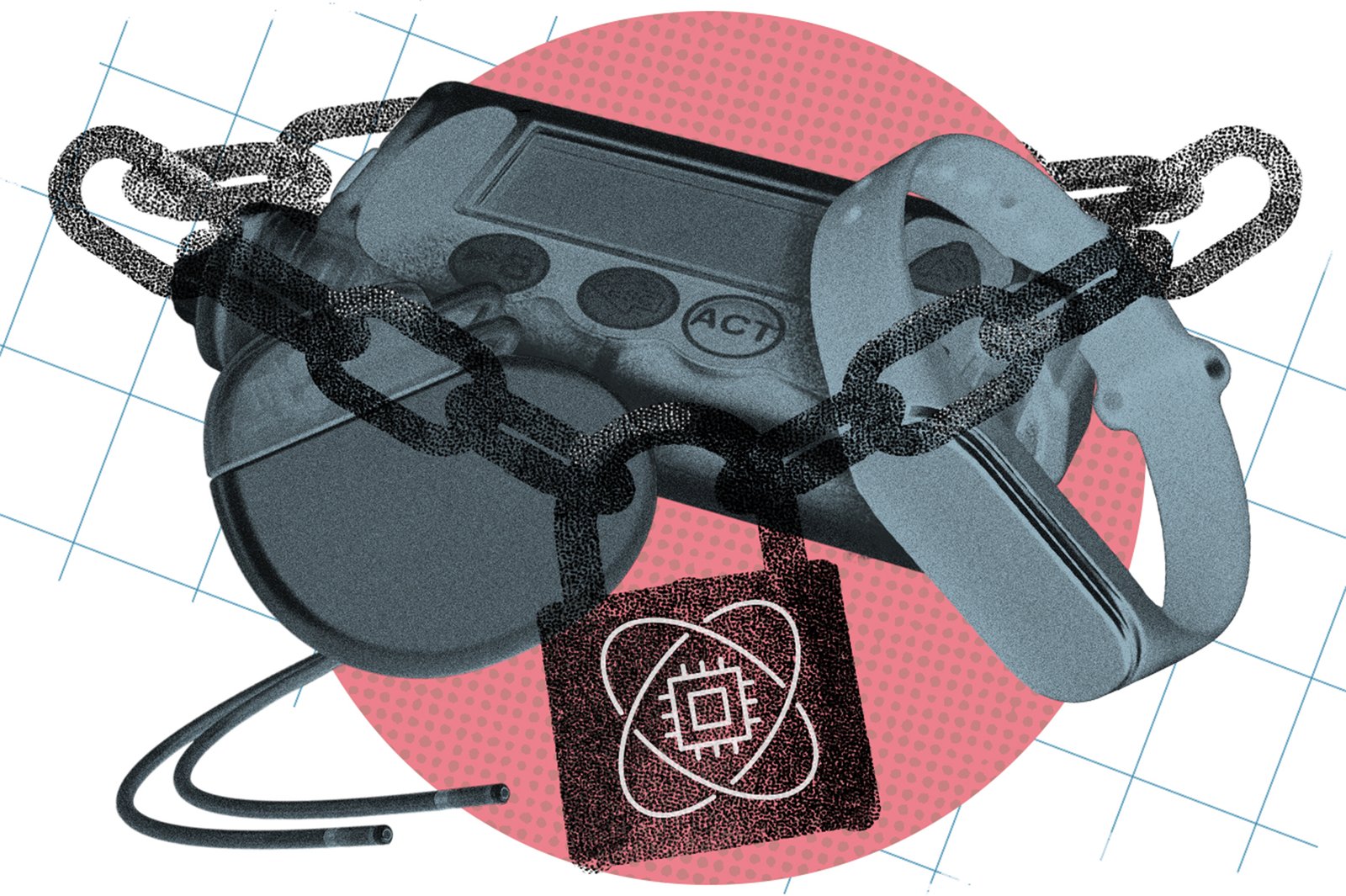
MIT researchers have created a tiny new chip that can protect wireless medical devices from future cyber threats. As quantum computers grow more powerful, they may be able to break current security systems. This new chip helps ensure the safety of devices like pacemakers and insulin pumps.
Many wearable or implantable devices are limited by their small size and low power. Because of this, they often cannot run complex security protocols. The MIT chip addresses this challenge by being energy-efficient—more than ten times better than previous designs.
The chip uses advanced techniques to safeguard data against physical hacking attempts. It includes a built-in random number generator that keeps secret keys safe, and it has measures to prevent common hacking tricks like power side-channel attacks. Additionally, if the device detects power glitches, it stops operating early to save energy and protect data.
This breakthrough technology is crucial as authorities like NIST begin requiring stronger security standards. Experts believe incorporating quantum-resistant cryptography will become essential for health and industrial devices in the future.
The team behind the chip hopes it will lead to more secure medical tools and other small devices. Their work shows that high-level protection can be achieved without draining batteries or increasing size. This development could shape the next wave of safe, connected technology in healthcare and beyond.
Expand Your Tech Knowledge
Learn how the Internet of Things (IoT) is transforming everyday life.
Stay inspired by the vast knowledge available on Wikipedia.
QuantumV1
