

Summary Points
- Antarctic ice shelves may be melting faster than previously believed, raising concerns.
- Warm water trapped in channels beneath ice shelves amplifies melting rates.
- Weaker ice shelves allow glaciers to slide into the ocean, increasing sea levels.
- Current climate models may underestimate risks from warming impacts on ice stability.
Unseen Forces Crumbling Antarctica’s Ice Shelves
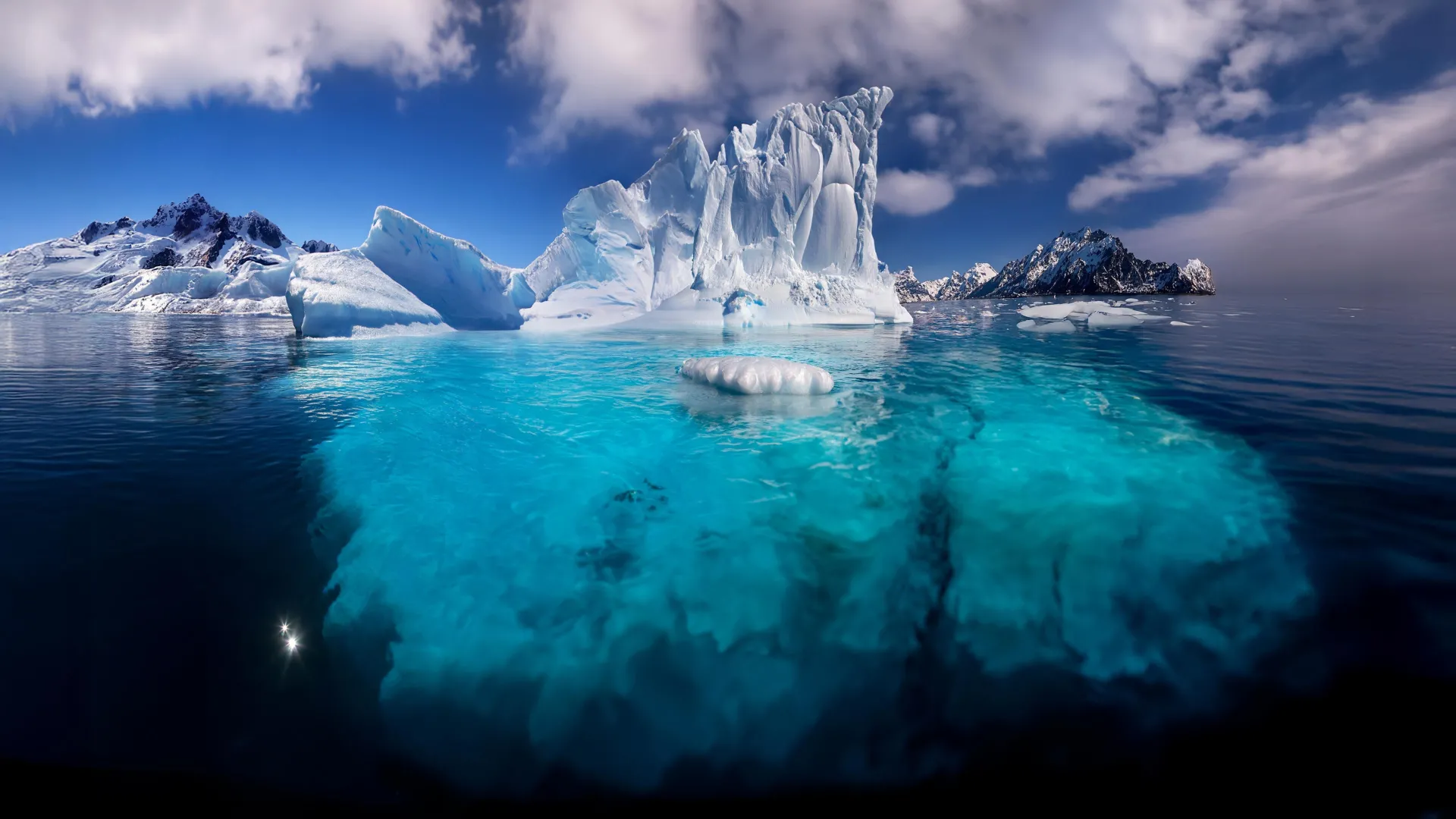
Recent research reveals alarming trends in Antarctic ice melt. Scientists have found that ice shelves, massive glaciers floating on the ocean, are deteriorating faster than previously thought. This phenomenon threatens to raise global sea levels more swiftly. The study focused on the Fimbulisen Ice Shelf in East Antarctica, an area considered less vulnerable than others. It uncovered a hidden process that allows warm ocean water to infiltrate and accelerate melting. Long channels beneath the ice shelf trap this warm water, intensifying the melting in critical spots.
As the ice shelves weaken, they lose their ability to restrain the glaciers behind them. This will ultimately lead to more land ice cascading into the ocean, heightening the risks of rising sea levels worldwide. Scientists have already observed similar destabilizing effects elsewhere in Antarctica. Research by the Intergovernmental Panel on Climate Change underscores this risk, marking weakening polar ice as a significant unknown in future sea level projections.
Implications for Global Sea Level Rise
The findings from the study highlight a dire need for reevaluation of climate models. Current models do not account for the intricate dynamics at play in these channels, possibly underestimating the sensitivity of so-called “cold” ice shelves. As warmer waters penetrate coastal areas, even minor temperature changes may have profound effects. Researchers discovered that warm water can cause significant melting, even in regions thought to remain stable. This accelerated melting creates a dangerous feedback loop. Thinning ice shelves could lead to less structural integrity, making the glaciers behind them slide more easily into the ocean.
The implications extend beyond Antarctica. Rising sea levels will impact coastal communities and ecosystems worldwide. Accurate projections of sea level rise will be crucial for urban planning and disaster preparedness. The research emphasizes the need to incorporate detailed geological data into climate models. Advances in technology, including high-resolution mapping and modeling, provide new insights into this complex issue. Understanding these dynamics is essential for countries grappling with climate adaptation. Ignoring these developments could result in catastrophic consequences for millions in the coming decades.
Continue Your Tech Journey
Stay informed on the revolutionary breakthroughs in Quantum Computing research.
Access comprehensive resources on technology by visiting Wikipedia.
TechV1
