

Quick Takeaways
- Ferrari’s first electric vehicle, the Luce, faces significant public backlash.
- Designed by Jony Ive, it excels in performance but resembles Nissan.
- It targets affluent buyers, likely aiming to attract the Chinese market.
- Some view it as a compliance vehicle rather than a traditional Ferrari.
The Unlikely Buyer of Ferrari’s Luce
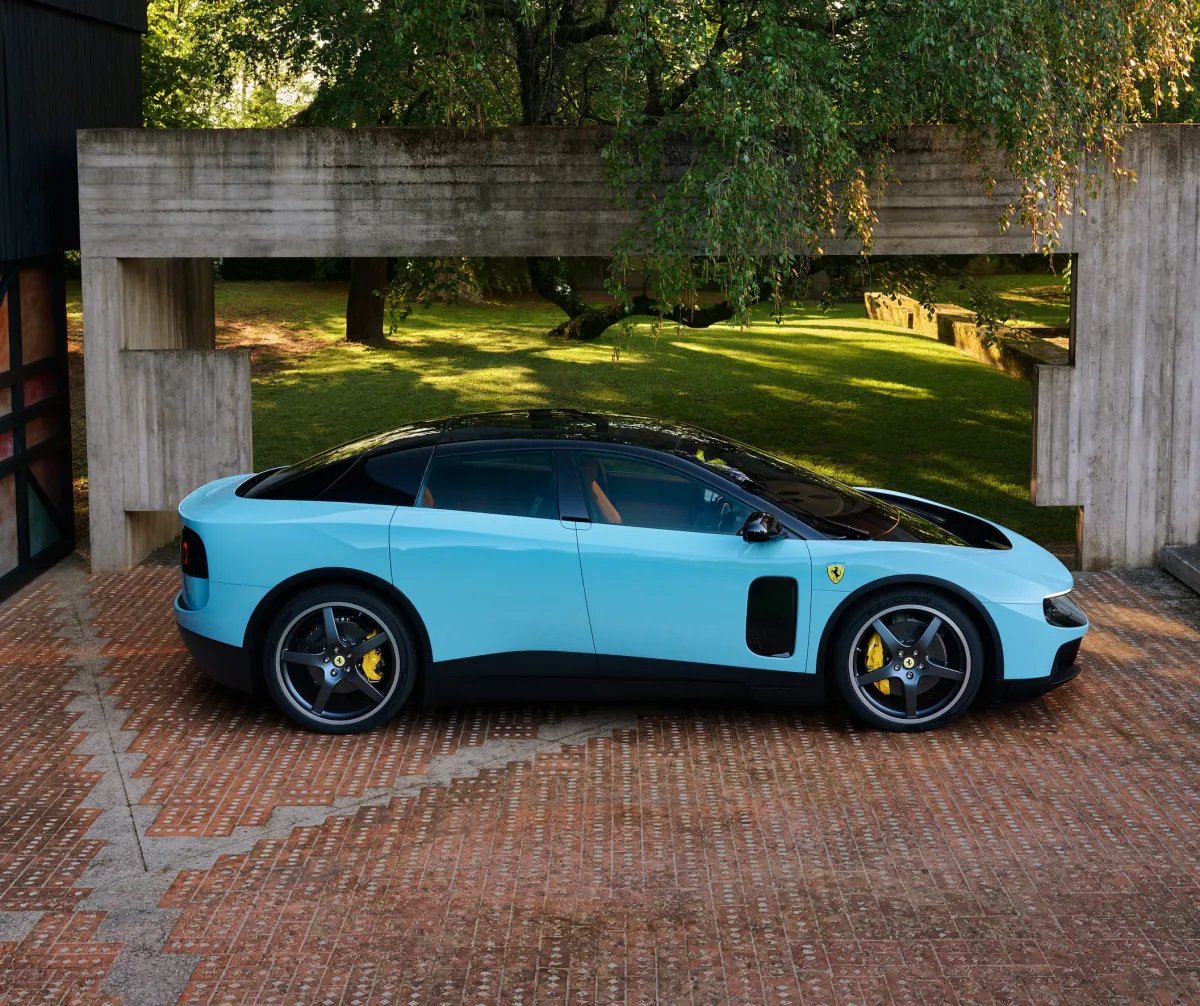
Everyone seems to be mad about Ferrari’s first electric vehicle, the Luce. While the five-seater boasts impressive specs—1,000 horsepower and a 0-60 mph time of just over two seconds—it has faced a wave of mockery. The design, crafted by Jony Ive and Marc Newson, strays from the traditional Ferrari aesthetic. As a result, the Luce has quickly become a target for both cynics and critics.
At around $650,000, buying a Luce doesn’t a take a casual car enthusiast. Ferrari typically caters to an exclusive clientele. Over 80% of last year’s buyers already owned a Ferrari. This group likely seeks the aggressive styling and aerodynamic curves that have long defined the brand. Neither the wedge-shaped Luce nor its bland resemblance to a Nissan fits that mold.
The Luce might have broader appeal, particularly among car designers looking for inspiration. Its interior, with a notable departure from Ive’s earlier minimalist designs, features buttons and knobs more reminiscent of classic cars. Will other automakers take cues from this? Possibly, but that remains to be seen.
Regulatory pressures also play a role. With the European Union set to limit internal combustion engines by 2035, the Luce might reflect Ferrari’s pivot toward compliance. Company execs have confirmed that its design aims for profitability while remaining “polarizing.” However, they claim the target market includes those who already own an electric vehicle. That’s a radical acknowledgment. It implies that existing Ferrari owners may not drive the sales figures.
China: The True Target Market?
This brings us to the largest market for electric vehicles: China. Historically, Chinese consumers have accounted for around 10% of Ferrari’s sales. That figure is shrinking, and the brand wants to reverse this trend. The Luce’s design echoes several recent trends in China’s automotive sector. This may signal a shift, not just within Ferrari, but in the global luxury car market.
But will Chinese buyers pay a premium for a Ferrari when they face a smorgasbord of high-performance, tech-rich alternatives? The Luce offers pedigree, but at what cost? As competition in the electric vehicle landscape intensifies, Ferrari must convince a discerning audience that its brand is worth the hefty price.
The backlash against the Luce raises essential questions: Who is this car really for? As Ferrari takes bold steps into the electric realm, it risks alienating its core enthusiasts while attempting to attract a brand new audience. This balancing act will define not only the Luce’s success but potentially Ferrari’s future in an increasingly electric world.
Continue Your Tech Journey
Stay informed on the revolutionary breakthroughs in Quantum Computing research.
Discover archived knowledge and digital history on the Internet Archive.
TechV1
