

Quick Takeaways
Here are the key points from the article summarized:
1. Wildfires worsen ground-level ozone pollution, impacting air quality nationwide.
2. Wildfire smoke travels, affecting areas far from active flames with ozone.
3. Since 2015, wildfires have negated years of ozone control progress.
4. NASA’s satellite data and models aid in monitoring and managing air quality.
The Impact of Wildfire Smoke on Ground-Level Ozone
Wildfires are presenting a growing challenge for air quality in the United States. A NASA-funded study has found that, over the past decade, smoke from these fires has significantly worsened ground-level ozone pollution. This invisible pollutant is harmful to human health, plants, and crops, raising serious concerns for communities far removed from the fires themselves.
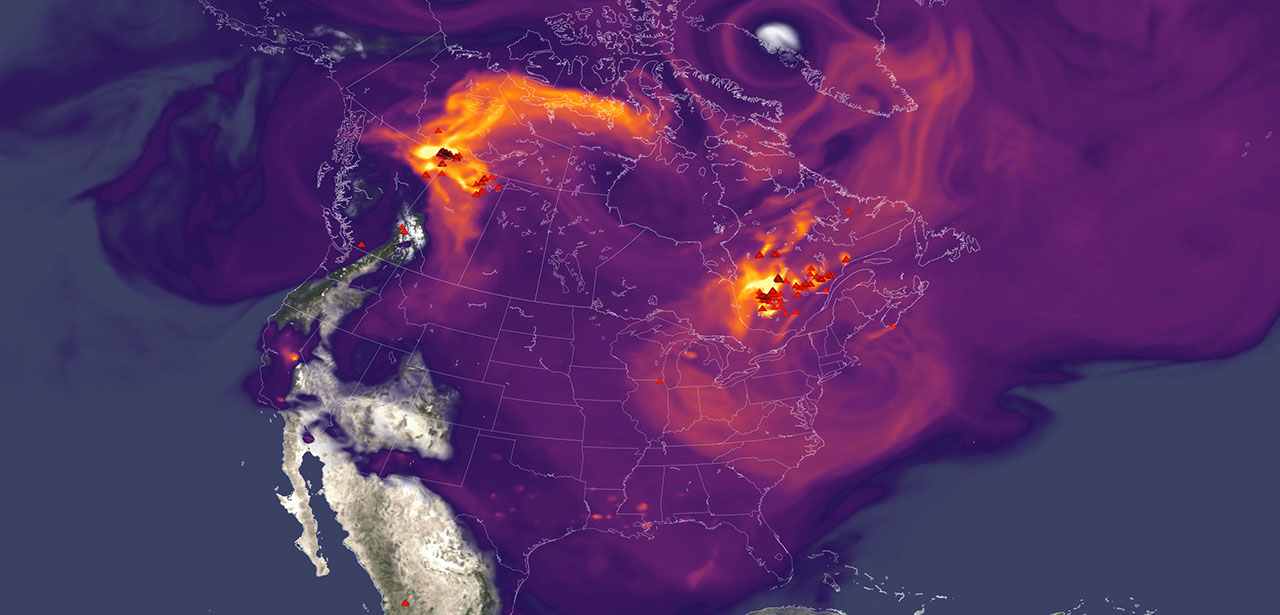
The researchers highlighted that the contribution of wildfire smoke to ground-level ozone has been substantial. Fires have effectively erased nearly four years’ worth of progress in ozone control nationally, with particularly significant setbacks in the West and Midwest. Smoke from wildfires not only includes visible soot and ash but also emits gases such as carbon monoxide. When these gases interact with other pollutants in sunlight, they lead to ozone formation, affecting air quality hundreds or even thousands of miles away from the active flames.
John Haynes, of NASA’s Health and Air Quality program, emphasized the importance of NASA Earth observations and ground monitoring networks. These tools provide essential data that help air quality managers make informed decisions as wildfire smoke impacts more communities.
People often underestimate how far wildfire pollution can travel. For instance, those in the Midwest may believe that fires occurring elsewhere won’t affect them. However, once wildfire smoke enters the atmosphere, it can drift across state lines, significantly degrading air quality.
Technological Advances in Monitoring Air Quality
This study utilized advanced deep learning techniques to analyze surface ozone levels across the contiguous United States from 2003 to 2024. Researchers created a detailed dataset that estimates daily ozone levels on a local scale. This approach combined data from around 1,000 ground-based air quality stations with satellite observations, atmospheric models, and weather data.
The findings reveal two distinct trends. From 2003 to 2015, ground-level ozone generally declined as emissions of ozone-forming pollutants decreased. However, starting in 2015, these gains began to diminish, largely due to the influence of wildfire pollution. In the Midwest, for example, the contributions from wildfires reversed progress that had been made in reducing ground-level ozone, effectively erasing an estimated 5.3 years of reductions in that period.
Moreover, the study indicates that the risk associated with wildfire-driven ozone includes increased exposure to unhealthy air and a rise in premature deaths linked to long-term exposure. Since 2013, the average number of premature deaths in the U.S. connected to wildfire-related ozone exposure has increased by an estimated 318 each year.
The 2023 Canadian wildfires exemplified these risks, with smoke spreading and contributing to ozone increases across a wide geographic area. The research estimated that from 2022 to 2024, wildfires exposed an additional 43 million people in the U.S. to air quality levels that exceeded federal standards for ozone.
Monitoring air quality effectively requires more than just ground-based stations. Current efforts at NASA include the TEMPO mission, which launched in 2023. TEMPO provides hourly daytime measurements of air quality with a precision that allows for better detection of pollution patterns over small areas.
The combination of satellite observations and ground data enhances the ability to track smoke-related ozone pollution, especially in rural regions where monitoring is sparse. An initiative called FireAQ aims to synthesize satellite observations and forecasts to provide weekly briefings to air quality officials. This system equips local authorities with the information needed to anticipate the movement of smoke-related pollutants.
Continued advancements in technology will play a pivotal role in managing air quality impacted by wildfires. The integration of NASA’s research with practical applications will help safeguard communities against the unseen dangers posed by wildfire smoke.
Stay Ahead with the Latest Tech Trends
Explore the future of technology with our detailed insights on Artificial Intelligence.
Discover archived knowledge and digital history on the Internet Archive.
Space
