
Close Menu
    Facebook X (Twitter) Instagram
    Saturday, August 22
    Top Stories:
    • China Telecoms Boost Revenue with AI-Driven Token Factories
    • Five-Year Brain Organoids Uncover New Insights into Human Development
    • AI Cloud Growth Can’t Offset Advertising Slump as Revenue Declines
    Facebook X (Twitter) Instagram Pinterest Vimeo
    IO Tribune
    • Home
    • AI
    • Tech
      • Gadgets
      • Fashion Tech
    • Crypto
    • Smart Cities
      • IOT
    • Science
      • Space
      • Quantum
    • OPED
    IO Tribune
    Home » 20-Second 3D Printing Revolution: The Catch That Sparks Curiosity
    Tech

    20-Second 3D Printing Revolution: The Catch That Sparks Curiosity

    Lina Johnson MercilliBy Lina Johnson MercilliJuly 8, 2026No Comments2 Mins Read
    Share Facebook Twitter Pinterest LinkedIn Tumblr Reddit Telegram Email
    Share
    Facebook Twitter LinkedIn Pinterest Email

    Quick Takeaways

    1. University of Utah developed a holographic 3D printing technique for microstructures.
    2. This method hardens objects in one exposure, unlike traditional layer-by-layer printing.
    3. Current limitations restrict use to intricate designs without varied geometries.
    4. Future applications may involve manufacturing tiny, durable parts for real-world forces.

    Holographic Printing: A Leap Forward

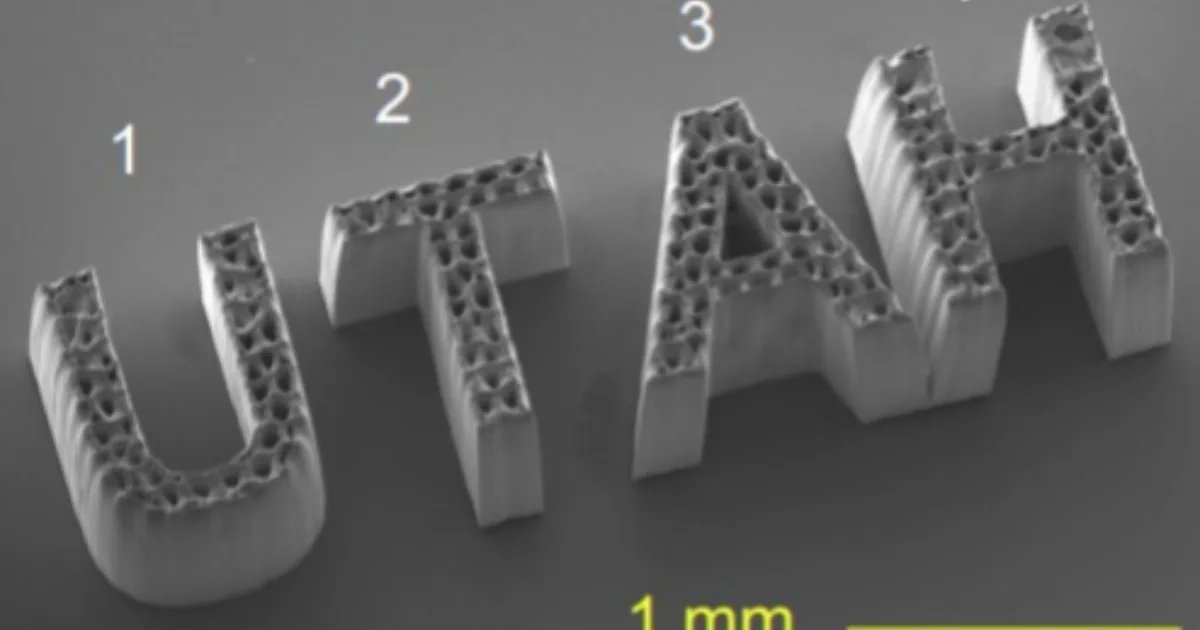
    A 3D printer that creates structures in just 20 seconds sounds like science fiction. Yet, researchers at the University of Utah have developed a unique holographic printing technique that makes this possible. Rather than building objects layer by layer, this method forms entire shapes in one exposure. It uses a nanopatterned mask to manipulate light, allowing for rapid hardening of materials. The substrate SU-8 hardens when exposed to laser light. This approach promises stronger, more durable structures by avoiding the weak seams typical of traditional layer-by-layer printing.

    However, this breakthrough has limits. The technique excels with microstructures but struggles with more complex geometries. The current demonstrations mainly include microtubule arrays and lattice patterns. This indicates that while the technology is powerful, its applications are currently constrained. As researchers continue to refine this method, they aim to expand its capabilities beyond small-scale designs.

    Practical Implications and Future Prospects

    This innovation may not fit into the typical home 3D printing scene. Instead, it could serve industries requiring finely crafted parts. The printed microtubules have shown promise in applications like capillary action and compression strength. This implies that there’s potential for practical use in fields such as biomedical engineering or micro-manufacturing.

    Moving forward, researchers need to overcome the technology’s limitations. The goal is to achieve true 3D control while maintaining the speed advantage. As this technique advances, it could lead to exciting new applications and industries. The potential for instant production may still be a dream, but continued progress signals tangible benefits on the horizon.

    Expand Your Tech Knowledge

    Stay informed on the revolutionary breakthroughs in Quantum Computing research.

    Explore past and present digital transformations on the Internet Archive.

    TechV1

    Innovation Management Tech technology VT1
    Share. Facebook Twitter Pinterest LinkedIn Tumblr Email
    Previous ArticleDecades of Voices: Unveiling the Hidden Cause
    Next Article Pickup Artist’s Secret: AI Girlfriend Revealed
    Avatar photo
    Lina Johnson Mercilli
    • Website

    Lina Johnson Marcelli is the editor for IO Tribune, bringing over two decades of experience in journalism to her role. With a BA in Journalism, she is passionate about delivering impactful stories that resonate with readers. Known for her keen editorial vision and leadership, Lina is dedicated to fostering innovative storytelling across the publication. Outside of work, she enjoys exploring new media trends and mentoring aspiring journalists.

    Related Posts

    Space

    Stargazers Rejoice: The Perseids Make a Spectacular Return!

    August 22, 2026
    Gadgets

    Is Android Auto YouTube Worth Using in Your Car?

    August 22, 2026
    AI

    Creating a Robust Backend for My LangGraph AI

    August 22, 2026
    Add A Comment

    Comments are closed.

    Must Read

    Stargazers Rejoice: The Perseids Make a Spectacular Return!

    August 22, 2026

    Is Android Auto YouTube Worth Using in Your Car?

    August 22, 2026

    Creating a Robust Backend for My LangGraph AI

    August 22, 2026

    When Fine-Tuning SigLip Goes Wrong

    August 22, 2026

    Africa’s Savannas Transform as Carbon Levels Rise

    August 22, 2026
    Categories
    • AI
    • Crypto
    • Fashion Tech
    • Gadgets
    • IOT
    • OPED
    • Quantum
    • Science
    • Smart Cities
    • Space
    • Tech
    Most Popular

    Meetily: Free Meeting Transcription & Summarization Tool

    August 9, 2026

    Transform Your iPhone into a Nintendo Switch 2 Camera!

    June 6, 2025

    Breakthrough Gene Discovered to Save Bananas from Panama Disease!

    February 21, 2026
    Our Picks

    Pillars of Eternity Unveils Surprise Turn-Based Mode Update!

    November 4, 2025

    Google’s Circle to Search: Scroll to Translate!

    September 5, 2025

    SpaceX’s Market Debut Ignites Secondary Frenzy!

    January 28, 2026
    Categories
    • AI
    • Crypto
    • Fashion Tech
    • Gadgets
    • IOT
    • OPED
    • Quantum
    • Science
    • Smart Cities
    • Space
    • Tech
    • Privacy Policy
    • Disclaimer
    • Terms and Conditions
    • About Us
    • Contact us
    Copyright © 2025 Iotribune.comAll Rights Reserved.

    Type above and press Enter to search. Press Esc to cancel.