
Close Menu
    Facebook X (Twitter) Instagram
    Friday, July 24
    Top Stories:
    • Tencent fires WeChat manager after bonus leak sparks uproar
    • Revolutionary Off-the-Shelf iPSC T Cells Target Colorectal Cancer
    • IMAX vs. IMAX 70mm: Unveiling the Cinematic Difference
    Facebook X (Twitter) Instagram Pinterest Vimeo
    IO Tribune
    • Home
    • AI
    • Tech
      • Gadgets
      • Fashion Tech
    • Crypto
    • Smart Cities
      • IOT
    • Science
      • Space
      • Quantum
    • OPED
    IO Tribune
    Home » Celestial Siblings: Earth and Moon in a Single Frame
    Space

    Celestial Siblings: Earth and Moon in a Single Frame

    Staff ReporterBy Staff ReporterJuly 24, 2026No Comments3 Mins Read
    Share Facebook Twitter Pinterest LinkedIn Tumblr Reddit Telegram Email
    Share
    Facebook Twitter LinkedIn Pinterest Email

    Summary Points

    1. NASA’s ESCAPADE spacecraft captured images of Earth and the Moon from space.
    2. Images reveal Earth and Moon as crescents with thermal infrared data.
    3. ESCAPADE’s cameras will help study Martian auroras and surface properties.
    4. The mission will utilize Earth’s gravity to reach Mars by 2027.

    ESCAPADE’s Remarkable Capture

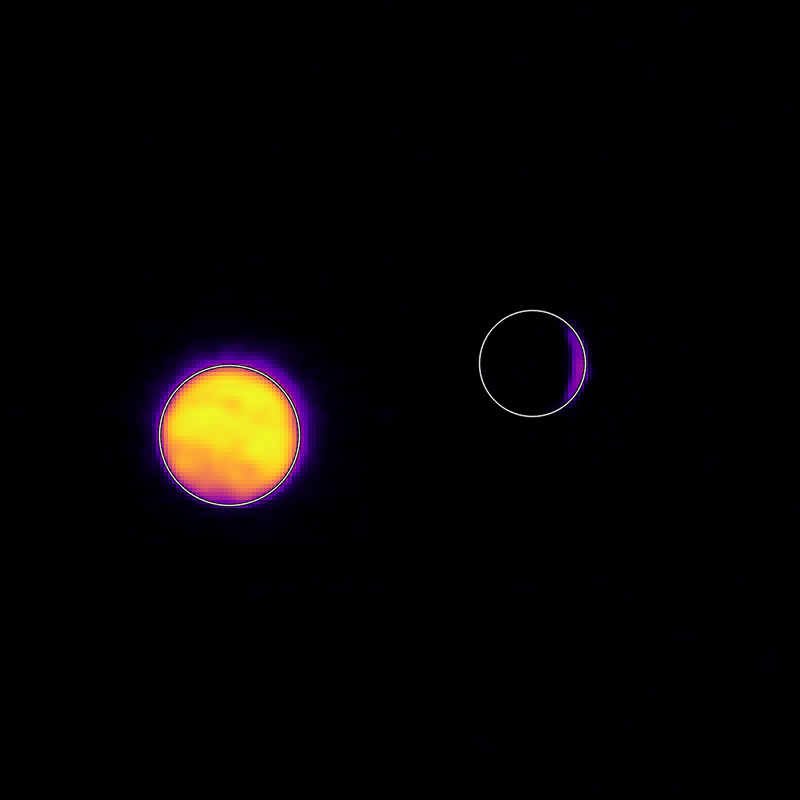
    On July 3, a significant milestone for one of NASA’s ESCAPADE spacecraft took place. From a distance of 363,250 miles from Earth and 115,600 miles from the Moon, it captured stunning images in both visible and thermal infrared light. These images showcase Earth and the Moon as crescent shapes, illuminated by just about 8% of the sun’s light. The timing of the photographs, with the Sun only partially lighting the two celestial bodies, created an intriguing visual effect.

    In the visible light image, both Earth and the Moon appear almost like distant silhouettes against the backdrop of space. However, the thermal infrared image adds a different layer of understanding. The shadowed side of Earth glows, revealing its heat—ranging from minus 10 to minus 44 degrees Fahrenheit (250 to 280 kelvins)—a testament to the insulating properties of its atmosphere and oceans. In contrast, the Moon’s far side remains frigid, recorded at a chilling minus 280 degrees Fahrenheit (100 kelvins). These images do more than showcase space photography; they serve as essential calibration checks for ESCAPADE’s advanced cameras.

    Mission Goals and Future Directions

    The ESCAPADE mission employs the Visible and Infrared Observation System cameras, developed by Northern Arizona University. These tools are crucial for the spacecraft’s primary objective: studying Martian auroras and analyzing the thermal properties of the Martian surface and atmosphere. The successful imaging of Earth and the Moon demonstrates the technology’s readiness for more complex tasks in future Martian exploration.

    Currently, the spacecraft are in a special orbit around Lagrange point 2, approximately one million miles from Earth. They are scheduled to fly by Earth in November 2026 for a gravity assist, which will enable their journey to Mars. By September 2027, ESCAPADE aims to investigate how the solar wind—a million-mile-per-hour stream of particles from the Sun—interacts with Mars. This research may provide insights into atmospheric loss on the Red Planet, enhancing our understanding of planetary atmospheres.

    The ESCAPADE mission is a part of NASA’s Small Innovative Missions for Planetary Exploration program, funded by the Heliophysics Division. It is led by the Space Sciences Laboratory at UC Berkeley, with collaboration from several key partners, including Rocket Lab and NASA’s Goddard Space Flight Center. This collaborative effort showcases not only the scientific ambition behind ESCAPADE but also the practical applications of emerging technologies in space exploration.

    Continue Your Tech Journey

    Explore the future of technology with our detailed insights on Artificial Intelligence.

    Discover archived knowledge and digital history on the Internet Archive.

    Space

    Cosmos earth Earth's Moon EscaPADE (Escape and Plasma Acceleration and Dynamics Explorers) Goddard Space Flight Center Heliophysics Heliophysics Division Mars NASA Science Mission Directorate Space The Sun VT1
    Share. Facebook Twitter Pinterest LinkedIn Tumblr Email
    Previous ArticleXtra Halts Preorders, Issues Full Refunds for Their DJI Clone
    Next Article IMAX vs. IMAX 70mm: Unveiling the Cinematic Difference
    Avatar photo
    Staff Reporter
    • Website

    John Marcelli is a staff writer for IO Tribune, with a passion for exploring and writing about the ever-evolving world of technology. From emerging trends to in-depth reviews of the latest gadgets, John stays at the forefront of innovation, delivering engaging content that informs and inspires readers. When he's not writing, he enjoys experimenting with new tech tools and diving into the digital landscape.

    Related Posts

    Tech

    Tencent fires WeChat manager after bonus leak sparks uproar

    July 24, 2026
    AI

    Loop Engineering: Powering RAG with Cascading LLMs

    July 24, 2026
    Science

    Revolutionary Off-the-Shelf iPSC T Cells Target Colorectal Cancer

    July 24, 2026
    Add A Comment

    Comments are closed.

    Must Read

    Tencent fires WeChat manager after bonus leak sparks uproar

    July 24, 2026

    Loop Engineering: Powering RAG with Cascading LLMs

    July 24, 2026

    Revolutionary Off-the-Shelf iPSC T Cells Target Colorectal Cancer

    July 24, 2026

    IMAX vs. IMAX 70mm: Unveiling the Cinematic Difference

    July 24, 2026

    Celestial Siblings: Earth and Moon in a Single Frame

    July 24, 2026
    Categories
    • AI
    • Crypto
    • Fashion Tech
    • Gadgets
    • IOT
    • OPED
    • Quantum
    • Science
    • Smart Cities
    • Space
    • Tech
    Most Popular

    XRP’s $3 Hurdle: Key Resistance in Focus

    November 2, 2025

    1Password Price Hike: Discover Budget-Friendly Alternatives!

    February 26, 2026

    Bitcoin Struggles as Traders Boost Exchange Deposits: CryptoQuant Insights

    November 29, 2025
    Our Picks

    Pokémon Champions Arrive on Switch and Switch 2 on April 8!

    March 25, 2026

    OpenAI Launches ChatGPT Voice Mode for CarPlay

    April 3, 2026

    Transit Votes: Key Local Measures on the November Ballot

    October 12, 2025
    Categories
    • AI
    • Crypto
    • Fashion Tech
    • Gadgets
    • IOT
    • OPED
    • Quantum
    • Science
    • Smart Cities
    • Space
    • Tech
    • Privacy Policy
    • Disclaimer
    • Terms and Conditions
    • About Us
    • Contact us
    Copyright © 2025 Iotribune.comAll Rights Reserved.

    Type above and press Enter to search. Press Esc to cancel.