

Fast Facts
- IMAX 70mm provides the ultimate viewing experience with superior image quality.
- Only 24 IMAX 70mm theaters exist in the US, limiting access.
- Digital IMAX offers 4K resolution but lacks the sharpness of IMAX 70mm.
- Standard 70mm film is good but less immersive than true IMAX formats.
Understanding IMAX and IMAX 70mm
Moviegoers today face a decision: IMAX or IMAX 70mm? The hype surrounding Christopher Nolan’s The Odyssey, shot entirely in IMAX 70mm, has sparked interest in these formats. While both provide immersive cinema experiences, they differ significantly in execution and impact.
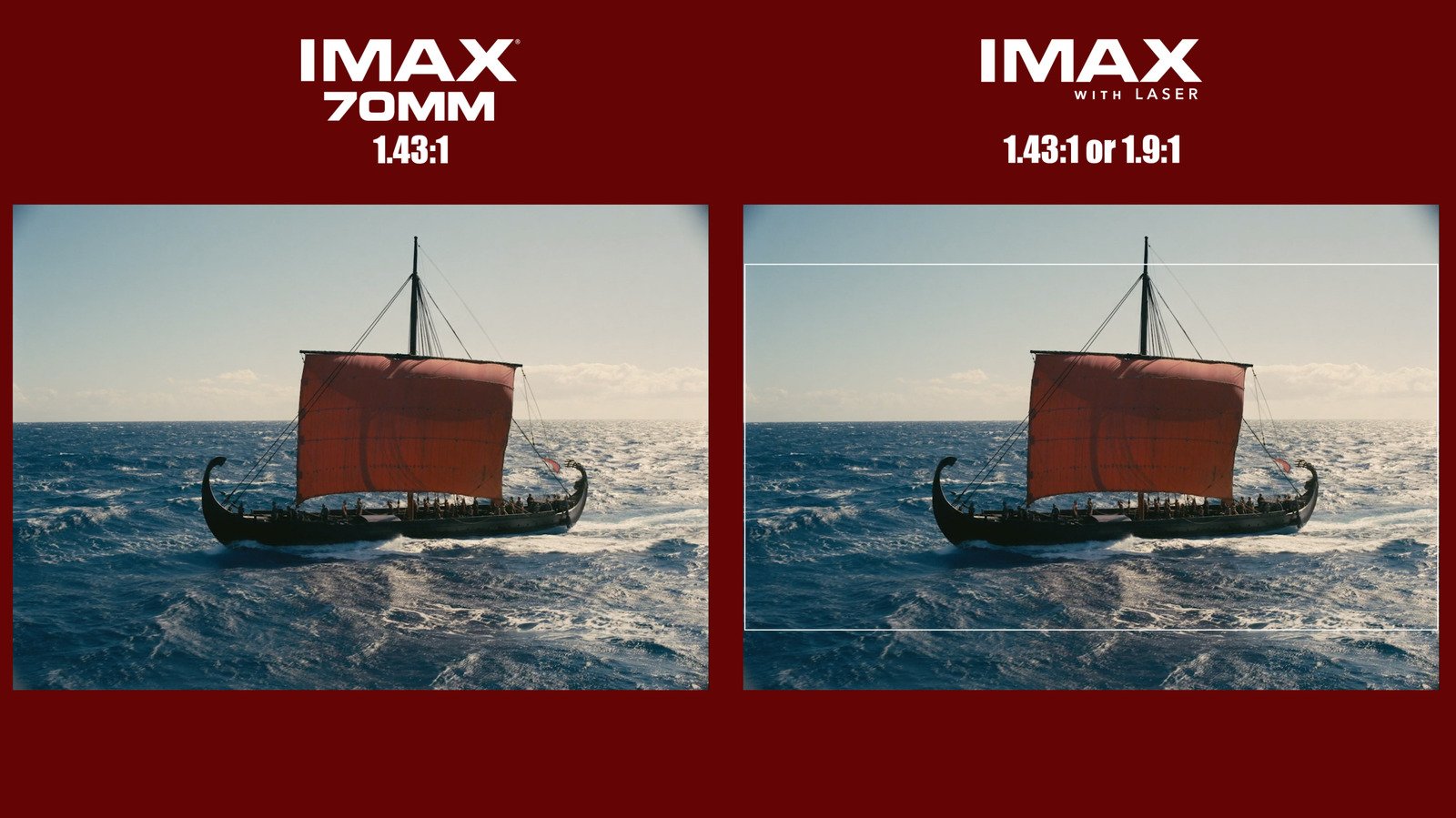
IMAX 70mm delivers the best possible visual experience. It has a square 1.43:1 aspect ratio and a gigantic 69.8 x 48.5mm frame size. This setup fills the audience’s vision from every angle. With a resolution of up to 18K equivalent, details remain pin sharp, even on massive screens. IMAX theaters utilize powerful xenon bulbs that can be up to 7.5 times brighter than those in standard cinemas. Yet, only around 24 theaters in the U.S. show IMAX 70mm films, making access a significant issue for many fans.
The economics of IMAX 70mm production create hurdles. The Odyssey cost around $250 million to produce and needed specialized cameras, while each print can run about $80,000. Films like Oppenheimer and Tenet, shot in a combination of IMAX 70mm and Super Panavision 70mm, offer a viable, albeit less sharp, alternative. Those audiences still enjoy the scale and brightness but miss out on the complete resolution of true IMAX.
The Digital Alternative: IMAX with Laser
For those unable to access IMAX 70mm, IMAX with Laser serves as a popular compromise. This format maxes out at 4K resolution, which is notably lower than IMAX 70mm. However, its clarity still surpasses standard 2K digital projections. Many IMAX digital theaters offer the taller 1.43:1 aspect ratio, but not all.
Digital IMAX utilizes a dual projector system for bright and sharp images. While it may lack the detail of IMAX 70mm, its contrast and brightness can actually outperform the film format. However, fewer than 12 theaters in North America showcase the optimal 1.43:1 configuration, limiting choices for discerning fans.
For those who favor analog, standard 70mm projection can also provide a quality viewing experience. While this format has a wider 2.2:1 aspect ratio and a resolution third that of IMAX 70mm, it offers a sharper image than traditional 35mm film. Still, it lacks the immersive qualities exclusive to true IMAX.
As cinema technology continues to evolve, knowing the differences between these formats helps audiences make informed choices. Whether you seek the grandeur of IMAX 70mm or the crispness of digital IMAX, understanding each option enhances your movie-going experience. A little research on local listings can help ensure you find the perfect format for your preferred film.
Continue Your Tech Journey
Learn how the Internet of Things (IoT) is transforming everyday life.
Access comprehensive resources on technology by visiting Wikipedia.
TechV1
