

Quick Takeaways
- NASA and SpaceX track a Falcon 9 stage set to impact the Moon.
- Impact is expected near Einstein and Bell craters, creating a crater 60 feet wide.
- The impact offers scientific insights into lunar geology and ejecta behavior.
- No threat to Earth; imagery may be captured by telescopes and lunar orbiters.
NASA and SpaceX Track Lunar Impact of Rocket Stage
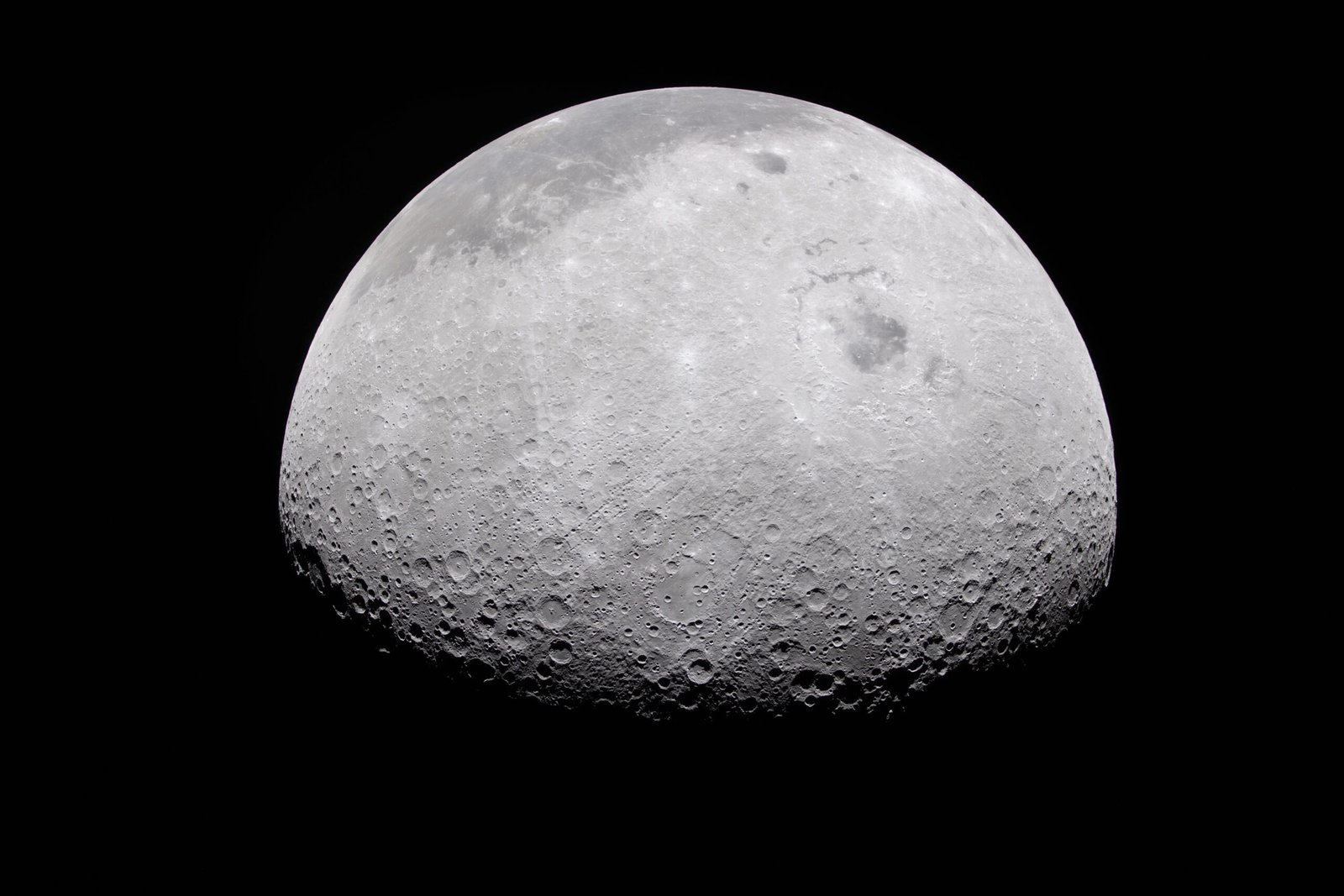
Using both ground-based telescopes and space assets, NASA and SpaceX are preparing to observe a used Falcon 9 upper stage as it impacts the Moon. The event is expected to occur on Wednesday, August 5, near the Einstein and Bell craters. This impact poses no threat to Earth, and scientists plan to collect data from the event. The goal is to improve tracking methods for objects in space and to gain better insights into lunar surface impacts.
The rocket stage is a remnant from a January 15, 2025, launch when SpaceX sent the Falcon 9 rocket to the Moon. The mission included deploying Firefly Aerospace’s Blue Ghost 1 lunar lander, part of NASA’s Commercial Lunar Payload Services program. However, solar activity and gravitational forces altered the stage’s path, causing it to return unplanned to the Moon. NASA and SpaceX are in communication regarding the upper stage and its flight path.
Independent astronomers first identified the trajectory based on publicly available data. NASA’s Center for Near Earth Object Studies later confirmed there is a 100% chance the stage will impact the lunar surface. NASA continues to track the object as part of ongoing training to monitor space debris.
Unlike Earth, the Moon has no atmosphere to slow incoming objects. This means the Moon is regularly hit by meteoroids. Human-made objects, like rocket stages, are less common but do happen. When the stage hits the lunar surface, it is expected to create a crater about 60 feet wide and 12 feet deep. It will also throw dust and rocks outward—a process called ejecta. In comparison, meteoroids with similar energy impact the Moon roughly every six days. This constant bombardment offers scientists opportunities to study impacts and better understand lunar geology.
Although the impact will not be visible with the naked eye from Earth, NASA plans to observe the event in real time. The Meteoroid Environments Office at NASA’s Marshall Space Flight Center will use telescopes to image the impact. Weather and lighting may make viewing difficult, but every effort will be made to record the event.
NASA’s Lunar Reconnaissance Orbiter and South Korea’s Korea Pathfinder Lunar Orbiter will also look for opportunities to capture images of the impact site. The imaging depends on the moon’s lighting, the orbits of the spacecraft, and their positions. It may take days to receive the resulting images and data. Any findings will help scientists understand artificial impacts and their effects on lunar exploration.
Disposing of upper stages on the lunar surface is a common, accepted practice. It is considered a safe method to mark the end of lifecycle for space debris, especially in low lunar orbit. Many operators prefer controlled impacts because they are predictable and easy to track. NASA emphasizes responsible debris mitigation to protect Earth’s orbital environment and other planetary surfaces. This approach supports safer space exploration and helps scientists learn more about the solar system.
Expand Your Tech Knowledge
Learn how the Internet of Things (IoT) is transforming everyday life.
Access comprehensive resources on technology by visiting Wikipedia.
Space
