
Close Menu
    Facebook X (Twitter) Instagram
    Thursday, August 20
    Top Stories:
    • China’s Robotics Boom: Navigating a Critical Scale and Growth Turning Point
    • Boosting Cancer Immunity with Delayed Activation of Exogenous STING
    • Nokia to Exit Mainland China, Closes Most Sites by Year-End
    Facebook X (Twitter) Instagram Pinterest Vimeo
    IO Tribune
    • Home
    • AI
    • Tech
      • Gadgets
      • Fashion Tech
    • Crypto
    • Smart Cities
      • IOT
    • Science
      • Space
      • Quantum
    • OPED
    IO Tribune
    Home » NASA Cancels Rescue Mission for Falling Swift Observatory
    Gadgets

    NASA Cancels Rescue Mission for Falling Swift Observatory

    Lina Johnson MercilliBy Lina Johnson MercilliAugust 20, 2026No Comments3 Mins Read
    Share Facebook Twitter Pinterest LinkedIn Tumblr Reddit Telegram Email
    Share
    Facebook Twitter LinkedIn Pinterest Email

    Fast Facts

    1. NASA has aborted the mission to boost the Swift Observatory’s orbit due to ongoing attitude control issues with Katalyst’s LINK spacecraft.
    2. Although LINK will no longer adjust the telescope’s orbit, it will still rendezvous with Swift to gather valuable data for future satellite servicing.
    3. The Swift Observatory, launched in 2004 for gamma-ray burst studies, is now re-entering Earth’s atmosphere, ending its extended mission.
    4. NASA emphasizes learning from this high-risk attempt to improve rapid-response cosmic event missions and future satellite servicing capabilities.

    NASA’s Mission to Save the Swift Observatory Comes to an End

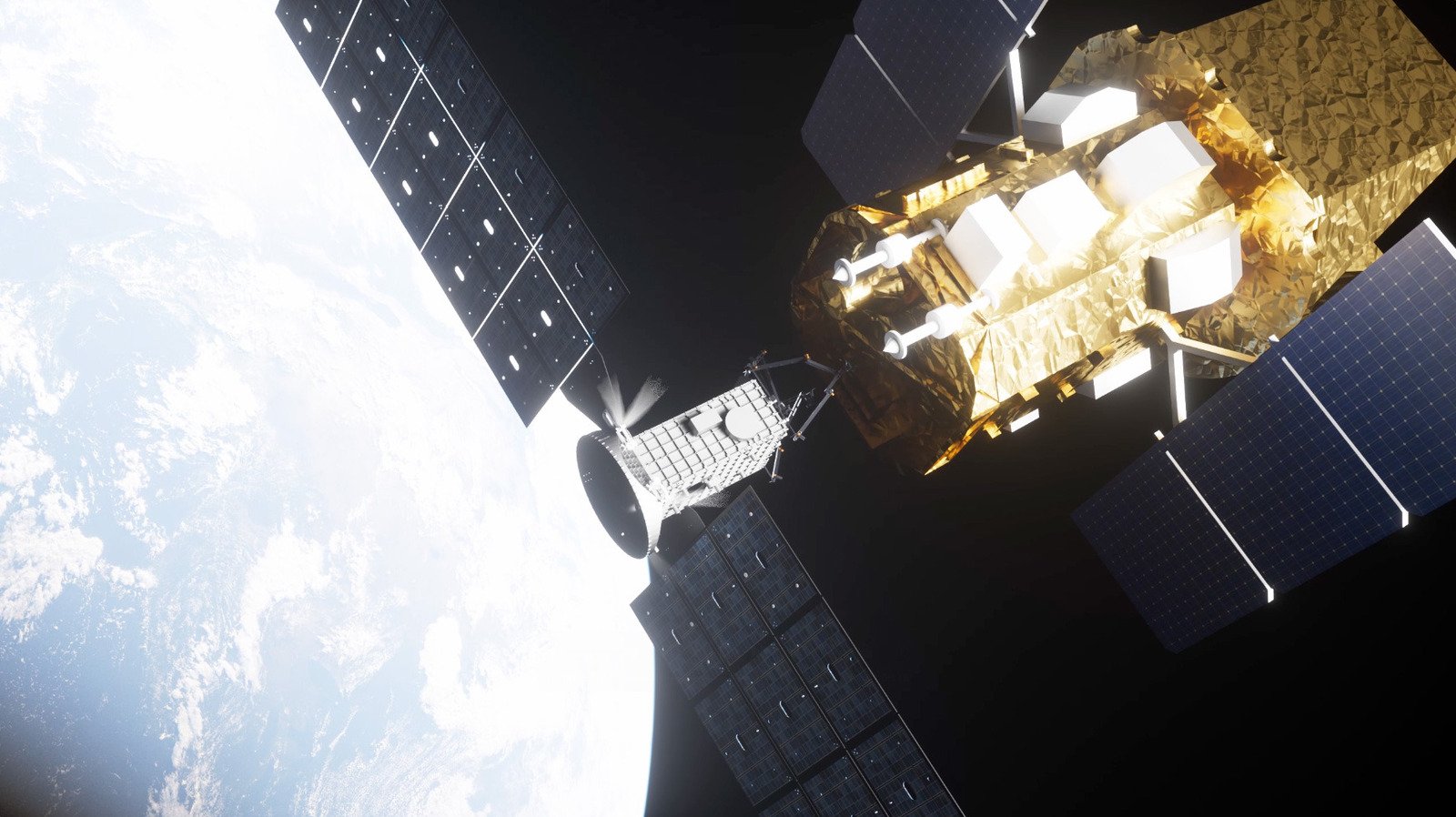
    NASA had planned a daring mission to save the Neil Gehrels Swift Observatory. The goal was to use the Katalyst Space’s LINK spacecraft to boost the telescope to a higher orbit. This move aimed to extend the observatory’s life by about ten years. However, the mission faced unexpected challenges. Due to a problem with LINK’s attitude control system, NASA decided to call off the rescue. Instead of tugging Swift away from its decay, LINK will only attempt a rendezvous. This change marks a setback, but NASA remains optimistic. The agency will gather valuable data from the rendezvous, which can inform future satellite maintenance projects.

    Understanding the Challenges and What Went Wrong

    The effort was ambitious from the start. The mission was considered high-risk but held high rewards. Designed in less than a year, LINK was supposed to stabilize and lift the Swift telescope. Unfortunately, since late July, issues with LINK’s attitude control appeared. The spacecraft struggled to manage its orientation, causing it to spin uncontrollably. This made communication difficult and affected its thruster system. Despite initial hopes, the problems worsened. NASA and Katalyst worked tirelessly to solve the issues but had to accept that the rescue plan was no longer feasible. This situation highlights the difficulties in space missions that seek novel solutions under tight timelines.

    Future Opportunities and Lessons for Space Technology

    Although the mission did not succeed as planned, it opens doors for future innovation. NASA emphasizes that every attempt teaches important lessons. The agency will focus on new options for quickly responding to cosmic events. For now, existing observatories like Swift still provide critical data for astronomers. Meanwhile, the rendezvous attempt will help develop technologies needed for future satellite servicing. This experience underlines that even setbacks contribute to progress. It shows NASA’s commitment to advancing space capabilities and preparing for better missions ahead. In the end, these efforts help ensure continued scientific discovery and technological growth.

    Continue Your Tech Journey

    Explore the future of technology with our detailed insights on Artificial Intelligence.

    Explore past and present digital transformations on the Internet Archive.

    CellphonesV1

    android apple cell google iOS mobile VT1
    Share. Facebook Twitter Pinterest LinkedIn Tumblr Email
    Previous ArticleDecoding PublicViews on AI | Towards Data Science
    Avatar photo
    Lina Johnson Mercilli
    • Website

    Lina Johnson Marcelli is the editor for IO Tribune, bringing over two decades of experience in journalism to her role. With a BA in Journalism, she is passionate about delivering impactful stories that resonate with readers. Known for her keen editorial vision and leadership, Lina is dedicated to fostering innovative storytelling across the publication. Outside of work, she enjoys exploring new media trends and mentoring aspiring journalists.

    Related Posts

    AI

    Decoding PublicViews on AI | Towards Data Science

    August 20, 2026
    Space

    Lala Batters Hawaii: Nature’s Stunning Cosmic Connection

    August 20, 2026
    Quantum

    Securing Wireless Communication in Next-Gen Devices

    August 20, 2026
    Add A Comment

    Comments are closed.

    Must Read

    NASA Cancels Rescue Mission for Falling Swift Observatory

    August 20, 2026

    Decoding PublicViews on AI | Towards Data Science

    August 20, 2026

    Lala Batters Hawaii: Nature’s Stunning Cosmic Connection

    August 20, 2026

    Securing Wireless Communication in Next-Gen Devices

    August 20, 2026

    Quectel Unveils Android 16 Modules for 4G/5G IoT

    August 20, 2026
    Categories
    • AI
    • Crypto
    • Fashion Tech
    • Gadgets
    • IOT
    • OPED
    • Quantum
    • Science
    • Smart Cities
    • Space
    • Tech
    Most Popular

    Unlocking AI’s Worth: A Quick Guide

    March 22, 2026

    Scientists Uncover Critical Tipping Point in Antarctic Ice

    June 3, 2026

    Oura’s Shift: Captivating Young Women While Letting Go of Gym Rats

    October 14, 2025
    Our Picks

    Unbeatable Deal: Anker Slim MagSafe Power Bank at Record Low!

    September 20, 2025

    Synergy Unleashed: How MIT is Blending Data, Systems, and Society!

    June 11, 2025

    Is the Mac Pro Apple’s Next Product in Purgatory?

    November 17, 2025
    Categories
    • AI
    • Crypto
    • Fashion Tech
    • Gadgets
    • IOT
    • OPED
    • Quantum
    • Science
    • Smart Cities
    • Space
    • Tech
    • Privacy Policy
    • Disclaimer
    • Terms and Conditions
    • About Us
    • Contact us
    Copyright © 2025 Iotribune.comAll Rights Reserved.

    Type above and press Enter to search. Press Esc to cancel.