

Top Highlights
- Public negativity toward AI is driven by personal negative experiences and perceived societal costs, not just hype or media narratives.
- Many associate AI with job fears, environmental impacts, and billionaires pushing infrastructure, fueling protests against data centers and AI expansion.
- While AI has benefits like improved productivity and healthcare, these are often overshadowed by tangible downsides and a lack of perceived value.
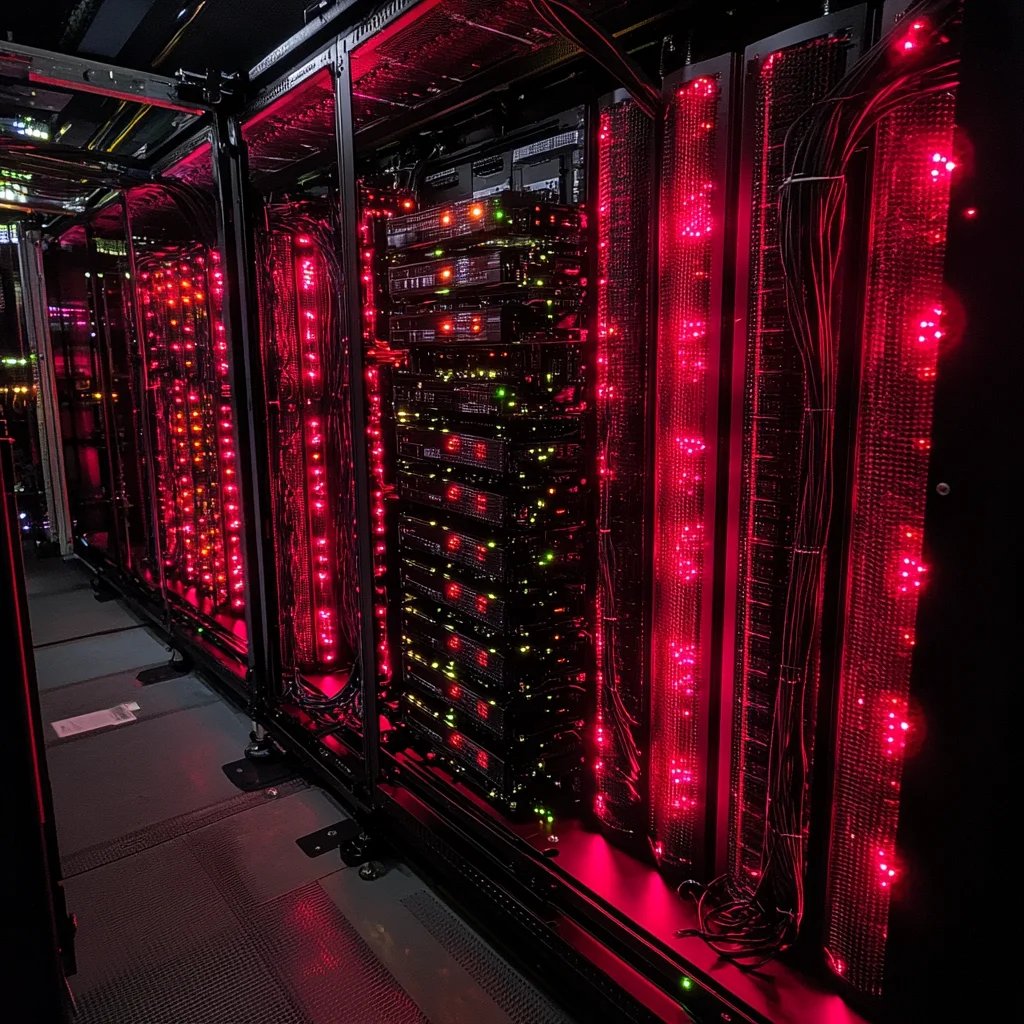
- Public resistance is more about resource use and environmental costs of data centers than AI tech itself, highlighting a disconnect between perceived costs and benefits.
Public Feelings About AI Are Complex
Recently, many people express strong negative opinions about AI. Surveys show they dislike AI more than the idea of ice roads. Interestingly, younger generations, who often use AI every day, still have very negative feelings. This reveals that opinions are not just about how much we use AI but about how we perceive its impact. Some think AI consumes too much energy or causes noise. Others are upset about AI’s role in social media or job fears. Overall, few believe AI’s benefits outweigh the harms. Simplifying this emotional response is difficult, because opinions come from many sources, including personal experiences, news, and community debates.
Personal Experiences Drive Negative Views
People’s daily encounters with AI often shape their feelings. Many see AI as unhelpful or even harmful. For example, in workplaces, AI is blamed for layoffs, raising fears about job security. At the same time, companies pressure workers to use AI or risk losing their jobs. Many feel this is unfair and confusing. Additionally, AI affects creative fields, making people worry about losing their livelihoods. These negative experiences, combined with resentment toward wealthy AI investors, reinforce mistrust. When communities see data centers built nearby, they often connect these projects to personal losses and industry greed. This fuels protests and blocks on new AI infrastructure.
Building Trust Through Practical Benefits
Despite concerns, AI has many useful applications. It helps doctors read scans better and boosts productivity at work. However, these benefits often seem small compared to the costs. Public skepticism grows because many see AI as more harmful than helpful, especially when harms like environmental damage or job loss appear unchecked. Unlike other infrastructure projects, data centers for AI face resistance because people do not see enough positive value. To change opinions, the AI industry must show real, tangible benefits and reduce negative impacts. Until then, public doubts will likely persist, and protests over AI projects will continue.
Discover More Technology Insights
Stay informed on the revolutionary breakthroughs in Quantum Computing research.
Stay inspired by the vast knowledge available on Wikipedia.
AITechV1
