

Essential Insights
- Researchers at OSU developed a new glioblastoma treatment using sugar-coated nanoparticles.
- Their method improves drug delivery across the blood-brain barrier to target tumors.
- In mice, treatment increased median survival time by 50% compared to controls.
- This innovative approach restores tumor-suppressing protein PTEN, aiding growth control.
Innovative Strategies Against Glioblastoma
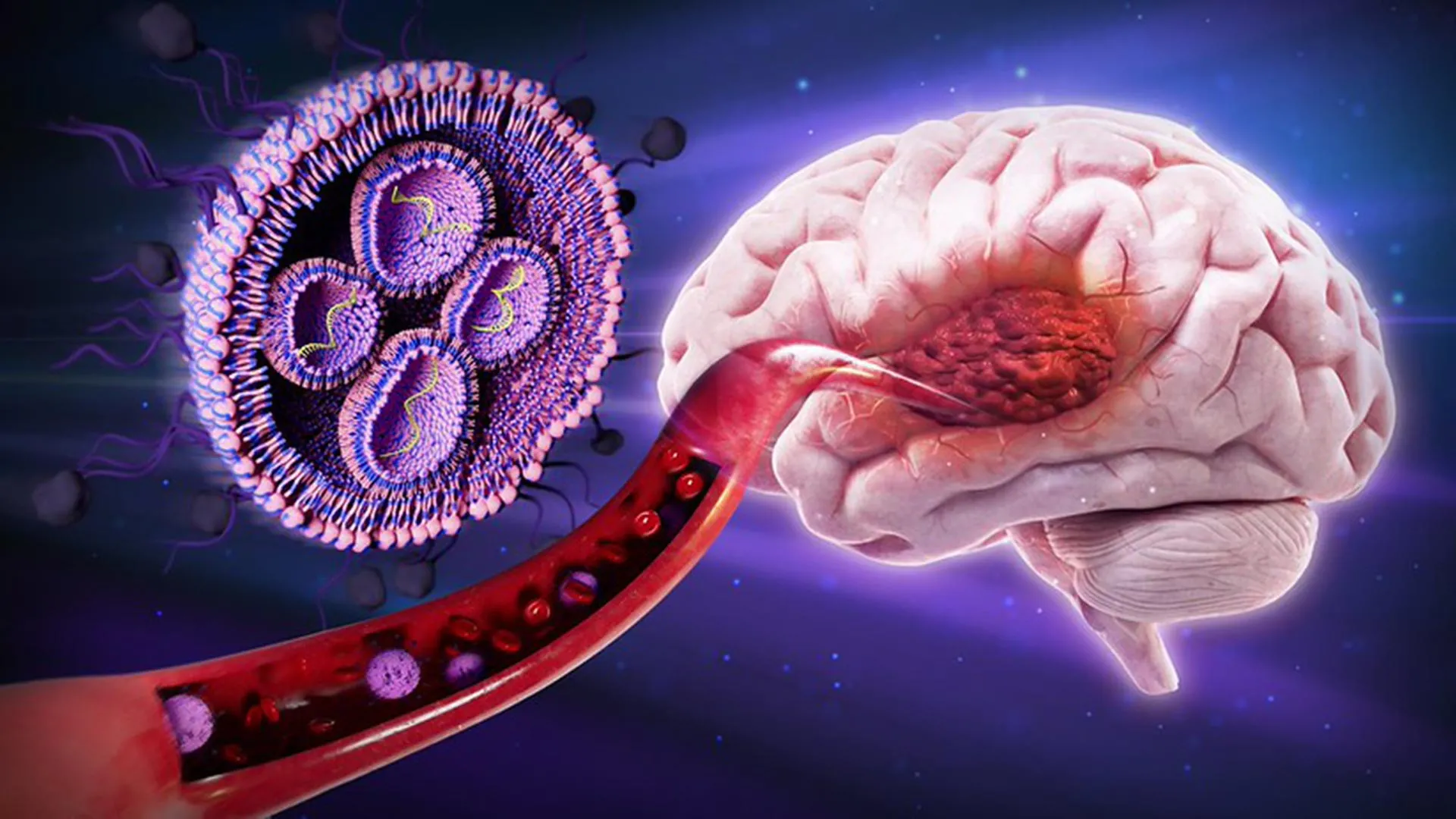
Researchers at Oregon State University have taken a significant step forward in the relentless fight against glioblastoma, a brain cancer notorious for its aggressive nature and poor survival rates. Fewer than 30% of patients survive beyond two years after diagnosis. This innovative strategy focuses on overcoming major barriers in glioblastoma treatment, namely crossing the blood-brain barrier and delivering therapies directly to tumor cells while sparing healthy tissue.
By utilizing lipid nanoparticles coated with mannose, a sugar closely related to glucose, researchers managed to exploit the brain’s natural transport mechanisms. These nanoparticles carry genetic material aimed at restoring PTEN, a crucial protein that helps regulate cell growth and prevent uncontrolled tumor expansion. This targeted approach increased median survival time in mice by a remarkable 50%. Such results provide a glimmer of hope, yet they also raise questions about the practicalities of translating this research from the lab to human patients.
Challenges Ahead in Therapy Implementation
While these findings are promising, challenges remain in moving this therapy from mouse models to clinical trials. Researchers must ensure the safety and effectiveness of the treatment in humans. They must also consider how to navigate the regulatory landscape and secure sufficient funding for larger studies. The road from laboratory success to real-world application often faces hurdles, including scaling production and ensuring consistent results across diverse populations.
These advancements invite both optimism and caution. Glioblastoma remains a formidable opponent, primarily due to its inherent biological complexities and the brain’s protective barriers. Despite these challenges, the innovative use of sugar-coated nanoparticles could pave the way for new treatment paradigms. As the scientific community delves deeper into this research, society must remain engaged, both in understanding these breakthroughs and in fostering the necessary discussions about funding and healthcare access. Such dialogue will be crucial for transforming innovative research into tangible patient benefits.
Stay Ahead with the Latest Tech Trends
Stay informed on the revolutionary breakthroughs in Quantum Computing research.
Access comprehensive resources on technology by visiting Wikipedia.
TechV1
