

Top Highlights
Certainly! Here are the key points and highlights from the article:
TLDR in 3rd person:
- Prolonged and loud headphone use, especially with AirPods, can cause permanent hearing damage, with many young people already showing early signs of noise-induced hearing loss.
- The 60-60 rule, supported by health organizations, advises listening at 60% volume for no more than 60 minutes to protect hearing.
- Practical steps include setting volume limits on devices and using noise-canceling over-ear headphones to reduce the risk of hearing loss.
- Warning signs of hearing damage include tinnitus, difficulty hearing high-pitched sounds, and increased volume requirements for familiar content.
Highlights in 4 concise points:
- Overexposure to loud sounds (above 85 dB) from earbuds can lead to irreversible ear damage within minutes to hours.
- The 60-60 rule helps prevent hearing loss by limiting listening time at moderate volumes to safeguard ear health.
- Using noise-canceling, over-ear headphones and regulating volume can significantly reduce the risk of hearing damage.
- Recognizing early warning signs like tinnitus and difficulty understanding speech is crucial for preventing serious hearing impairment.
Understanding the 60-60 Rule for AirPods
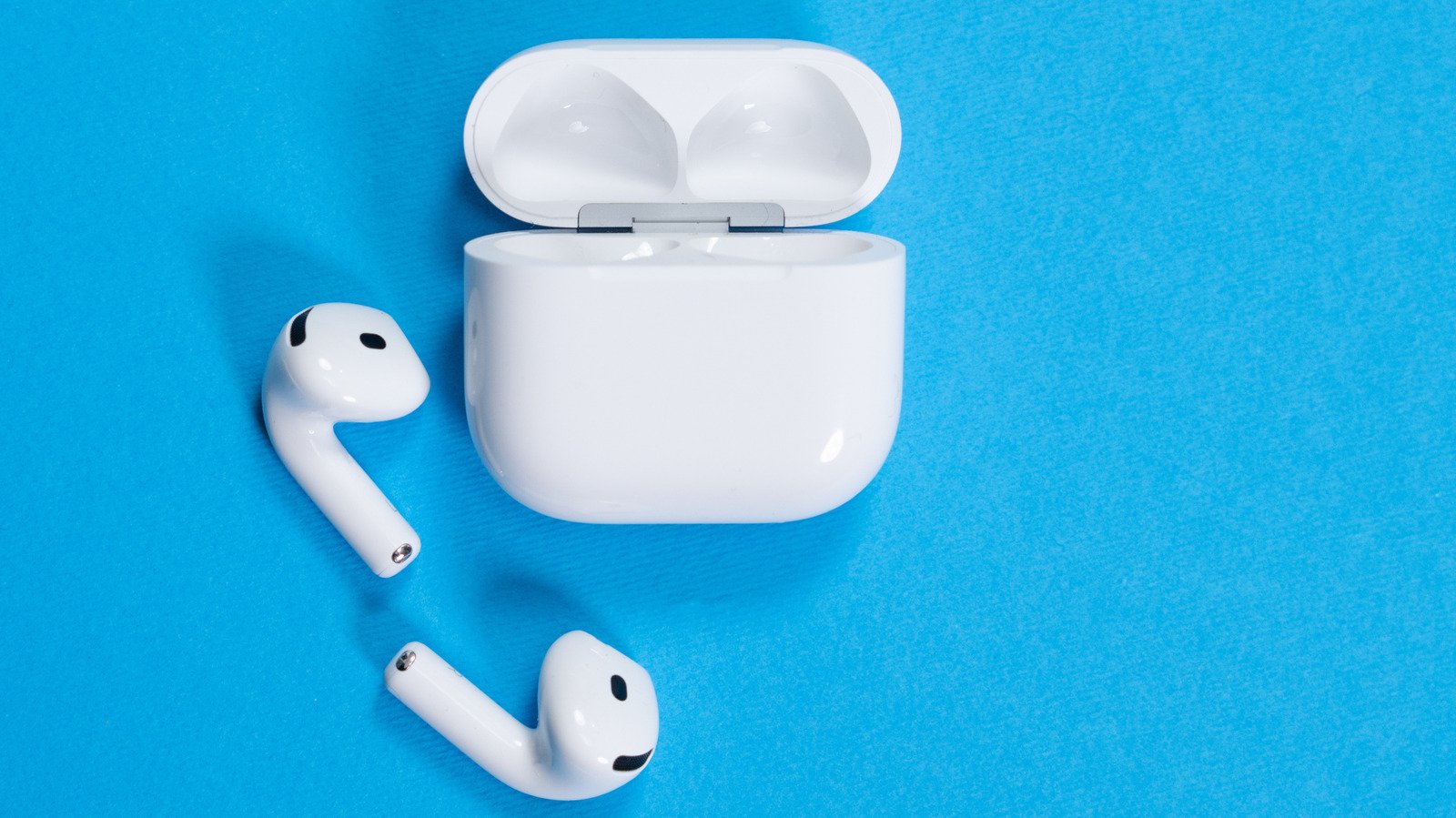
The 60-60 rule is a simple guideline created to protect your hearing health. It’s meant to make you think about how long you listen to music or sounds through your AirPods. This rule encourages keeping volume levels low and limiting listening time. Most importantly, it promotes habits that prevent hearing damage. Given how much time people spend with earbuds daily, many don’t realize the risks they face. The rule helps remind users that protecting their hearing is a crucial part of enjoying their favorite sounds safely. This way, users can enjoy their AirPods without risking long-term damage.
The Science Behind the Rule
This rule isn’t random; it’s based on decades of research into noise levels and hearing safety. Experts know that sounds above 85 decibels (dB) can cause harm over time. To put that in context, most AirPods at half-volume produce around 75-85 dB. When volume increases to 100 dB, safe listening is limited to just 15 minutes. At maximum volume, which can reach 105-110 dB, even a few seconds can cause damage. That’s why knowing how long you listen and how loud you go matters. Prolonged exposure to loud sounds damages tiny hair cells inside your ears. These cells do not regenerate, making hearing loss permanent if the damage continues. Following the 60-60 rule helps prevent this from happening. It encourages taking breaks and lowering volume, which are simple steps with big benefits.
Protecting Your Hearing in Practical Ways
Putting the 60-60 rule into practice involves small, smart habits. First, set a maximum volume limit on your iPhone or device. You can do this through Settings under “Sounds & Haptics” and “Headphone Safety.” Second, pay attention to warnings that your device may give if you listen at unsafe levels over time. Noise-canceling over-ear headphones are also a good choice. They block background noise, so there’s less need to turn up the volume loudly. For those already noticing signs of hearing loss, such as ringing ears or trouble understanding speech, acting early can help. Audiologists recommend regular breaks—about 15-20 minutes each hour—and choosing the right headphones. Over-ear options with noise cancellation generally pose less risk than earbuds. Some earbuds now include custom hearing aid features, which can help protect your hearing while enhancing speech and sound clarity. Remember, enjoying your music and calls should never come at the expense of your ear health. Building smarter listening habits is essential for long-term hearing wellness.
Expand Your Tech Knowledge
Learn how the Internet of Things (IoT) is transforming everyday life.
Explore past and present digital transformations on the Internet Archive.
CellphonesV1
