

Essential Insights
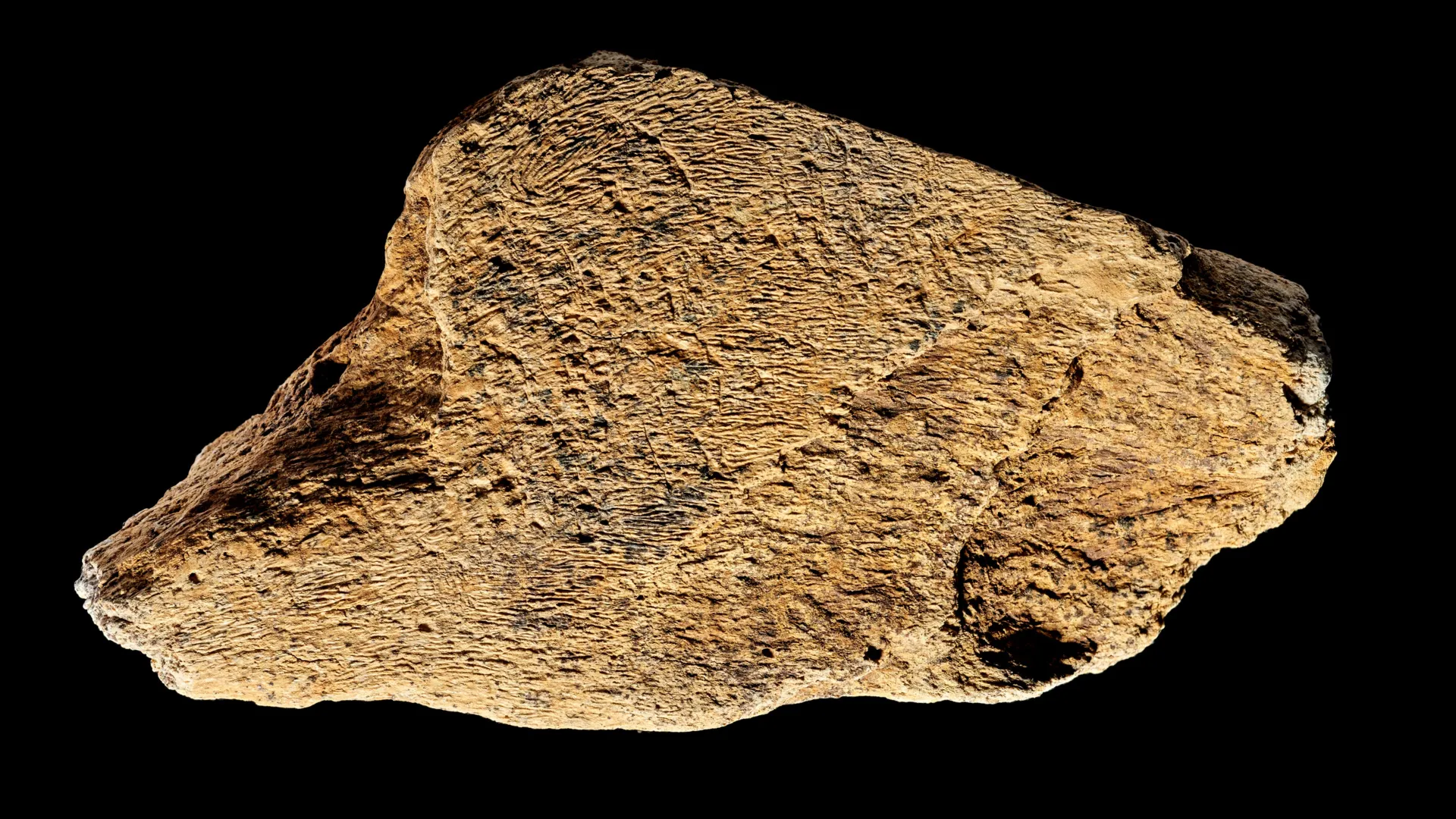
- Archaeologists discovered a prehistoric elephant bone tool dating back 500,000 years.
- The tool showcases early human ingenuity and sophisticated technical abilities.
- Analysis revealed it was used to maintain and sharpen stone tools effectively.
- This rare find expands our understanding of early human resourcefulness in Europe.
Insights into Early Human Ingenuity
A groundbreaking discovery in southern England has altered our understanding of ancient tool-making. Archaeologists unearthed a 500,000-year-old hammer crafted from elephant bone, marking it as the oldest known tool of its kind in Europe. This artifact highlights the exceptional skill and adaptability of early humans, possibly Neanderthals or Homo heidelbergensis.
Researchers from UCL and the Natural History Museum utilized advanced technologies to study the bone. They found distinctive notches and impact marks, indicating that this object was not just a random piece of material but a finely crafted tool used to maintain and refine other stone implements. Early humans demonstrated an acute awareness of their surroundings, identifying and repurposing rare materials for specific tasks. The ability to create and effectively use such tools underscores a sophisticated level of technical understanding and cognition.
The Functional Value of Specialized Tools
The elephant bone hammer offers insight into the thought processes of early humans. Unlike other heavy hammers, this tool acted as a delicate retoucher. Its design allowed precise shaping of stone handaxes without risking damage. Early humans knew that bone was softer than stone, making it suitable for this specialized purpose.
The rarity of elephant bones in prehistoric Britain suggests that early humans placed a premium on this material. They saved it for critical tasks, showcasing resourcefulness and strategic thinking. This reflects an advanced understanding of durability and practicality, as they recognized the benefits of using dense, hard bone over more readily available animal bones.
The implications reach beyond mere functionality. This discovery emphasizes the complexity of ancient human cultures. The ability to collect, shape, and employ materials for sophisticated tool-making showcases early humans not as mere survivors but as innovative problem-solvers. Their advanced techniques provide a window into a time when creativity and pragmatism drove the evolution of human technology.
Stay Ahead with the Latest Tech Trends
Dive deeper into the world of Cryptocurrency and its impact on global finance.
Explore past and present digital transformations on the Internet Archive.
TechV1
