

Essential Insights
-
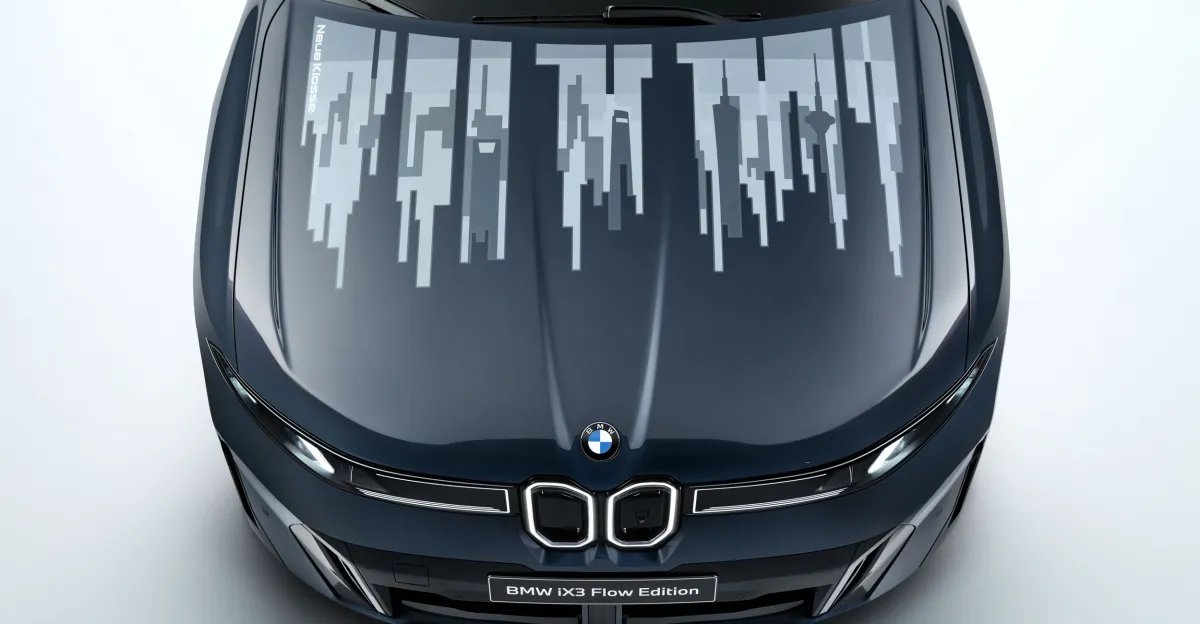
Innovative Integration: The new BMW iX3 Flow Edition embeds E Ink Prism technology directly into the vehicle’s hood, moving beyond the impractical patchwork approach of previous concepts.
-
Quality Assurance: The vehicle’s new design has passed BMW’s rigorous quality testing to ensure it meets automotive engineering standards for everyday use.
-
Limited Functionalities: While the iX3 Flow Edition offers color-changing capabilities, they are currently restricted to grayscale animations on the hood, with eight different options controlled by the driver.
-
Progress Toward Market Readiness: Although not yet available for purchase, this advancement represents a more practical step toward bringing dynamic color-changing vehicles closer to reality.
Innovative Technology Meets Practicality
BMW has made significant strides in the quest for a color-changing car. Previously, the idea involved wrapping vehicles in E Ink panels, which created a patchwork look. However, that concept proved impractical and lacked durability. Now, the new BMW iX3 Flow Edition takes a different approach. It embeds E Ink Prism technology into the vehicle’s hood panel. This method ensures better integration and durability. Moreover, BMW has subjected this technology to stringent quality testing, ensuring it can withstand real-world conditions.
Yet, the color-changing capabilities remain limited. The iX3 Flow Edition allows drivers to change the hood color through eight grayscale animations at the push of a button. Although it isn’t the full-color experience enthusiasts have hoped for, this development signifies a tangible step towards practical applications. Transitioning from concept to production takes time, and BMW appears committed to moving forward responsibly.
Potential for Widespread Adoption
The implications of this technology resonate beyond aesthetics. Color-changing cars could influence safety, personalization, and even energy efficiency. For instance, changing the vehicle’s color could enhance visibility in various conditions. Furthermore, different colors could reflect heat, possibly lowering cooling costs for electric cars.
Despite the current limitations, the groundwork laid by BMW sets a precedent. As they refine the technology, we may witness advancements leading to broader acceptance in the automotive market. In this evolving landscape, BMW’s cautious yet innovative approach may inspire other manufacturers to explore similar advancements. Ultimately, as we embrace new technologies, we edge closer to a future where color-changing vehicles become part of our everyday lives.
Expand Your Tech Knowledge
Stay informed on the revolutionary breakthroughs in Quantum Computing research.
Explore past and present digital transformations on the Internet Archive.
TechV1
