
Close Menu
    Facebook X (Twitter) Instagram
    Wednesday, May 13
    Top Stories:
    • Visionaries Unite in $4 Billion Quest for Self-Improving A.I.
    • Revitalizing Time: Scientists Rejuvenate Old Blood Stem Cells
    • Unlocking Nature’s Secret: A Breakthrough in Cancer-Fighting Plant Compounds
    Facebook X (Twitter) Instagram Pinterest Vimeo
    IO Tribune
    • Home
    • AI
    • Tech
      • Gadgets
      • Fashion Tech
    • Crypto
    • Smart Cities
      • IOT
    • Science
      • Space
      • Quantum
    • OPED
    IO Tribune
    Home » Chilling Innovations: NASA’s Tech for Lunar Night Survival
    Space

    Chilling Innovations: NASA’s Tech for Lunar Night Survival

    Staff ReporterBy Staff ReporterMay 7, 2026No Comments3 Mins Read
    Share Facebook Twitter Pinterest LinkedIn Tumblr Reddit Telegram Email
    Share
    Facebook Twitter LinkedIn Pinterest Email

    Fast Facts

    1. NASA is developing materials for extreme temperatures in space exploration missions.
    2. The Lunar Environment Structural Test Rig (LESTR) tests materials at 40 Kelvin.
    3. LESTR eliminates the need for cryogenic liquids, improving safety and affordability.
    4. Researchers aim to create advanced materials for future spacesuits and rover tires.

    New NASA Technology Mimics Extreme Cold of the Lunar Night

    As NASA prepares for ambitious missions to the Moon, Mars, and beyond, the need for durable materials is crucial. Spacecraft and their components must withstand extreme temperatures. On the Moon, surface temperatures can drastically shift from blistering heat to frigid cold. Researchers are actively developing technologies to test materials under these conditions.

    Testing at Extreme Temperatures

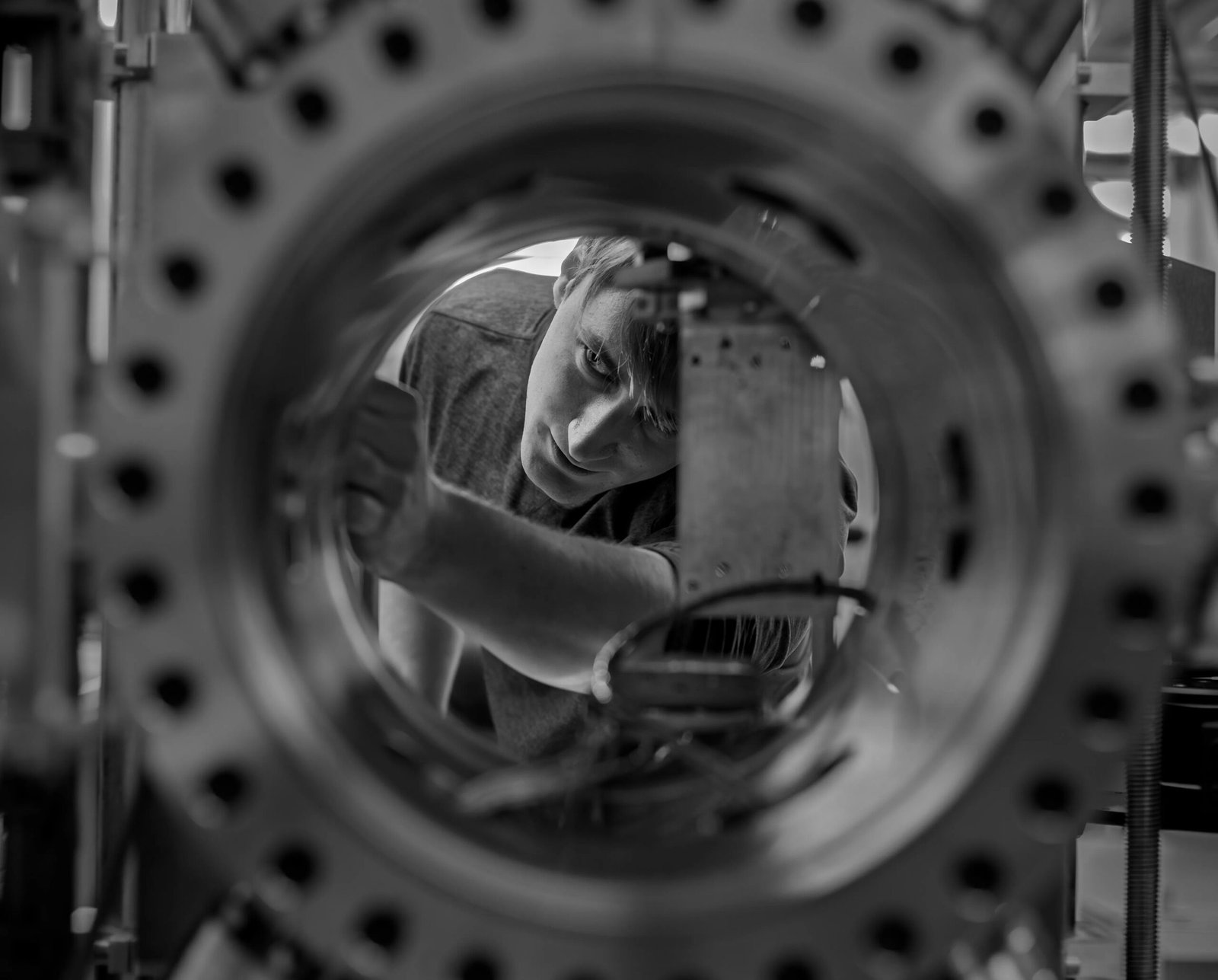
    NASA’s Glenn Research Center in Cleveland has introduced an innovative testing method with the Lunar Environment Structural Test Rig (LESTR). This machine evaluates materials, electronics, and flight hardware at temperatures as low as 40 Kelvin, equivalent to approximately –388 degrees Fahrenheit.

    Traditionally, NASA has relied on super-cold liquids—such as liquid nitrogen or helium—to simulate these extreme conditions. However, using these cryogenic fluids presents several challenges. The liquids must be stored in specialized tanks, requiring complex safety systems. Engineers must navigate layers of equipment, making the process time-consuming and expensive.

    LESTR is revolutionary in that it operates within a completely dry vacuum without any liquids. “What makes LESTR special is that the entire rig operates in a completely dry vacuum: no liquid nitrogen, no liquid helium, no liquid anything,” explained Ariel Dimston, the technical lead for LESTR. This dry cryogenic environment simplifies testing while enhancing safety and affordability.

    Applications and Future Developments

    Dimston and his team are collaborating with various NASA programs to assess new materials using LESTR. They have already begun testing specialized yarns for next-generation spacesuits and exploring advanced materials for rover tires. One promising innovation is a shape memory alloy that can return to its original form after being bent, stretched, or heated. This could allow rovers to navigate lunar and Martian terrains without the risk of flat tires.

    Research on LESTR began over two years ago, with the first version now operational. NASA is also developing a second iteration. LESTR 1 has been delivered to Fort Wayne Metals in Indiana, where experts will test shape memory alloys designed for the extreme temperatures of the Moon. “We are working to develop a next-generation shape memory alloy that is capable of functioning at temperatures down to 40 Kelvin,” said Dr. Santo Padula II, the principal investigator for LESTR at NASA Glenn.

    Beyond LESTR, NASA Glenn continues to advance its approach to material testing and space technology. The center has facilities capable of mimicking conditions found in space, including the vacuum and microgravity of the International Space Station and the harsh environment of Venus.

    Through such innovative technologies, NASA is laying the groundwork for future space exploration. The development of robust materials will ensure that equipment can endure the harsh lunar night and the extreme conditions on Mars, advancing our quest for knowledge beyond Earth. For more detailed information about LESTR, visit its dedicated web page.

    Discover More Technology Insights

    Explore the future of technology with our detailed insights on Artificial Intelligence.

    Discover archived knowledge and digital history on the Internet Archive.

    Space

    Cosmos Exploration Systems Development Mission Directorate General Glenn Research Center Mars NASA NASA Centers & Facilities Space technology VT1
    Share. Facebook Twitter Pinterest LinkedIn Tumblr Email
    Previous ArticleRoobet Introduces Prediction Markets, Leading Crypto Casino
    Next Article Your Pixel 8 Issoon Getting AirDrop Support!
    Avatar photo
    Staff Reporter
    • Website

    John Marcelli is a staff writer for IO Tribune, with a passion for exploring and writing about the ever-evolving world of technology. From emerging trends to in-depth reviews of the latest gadgets, John stays at the forefront of innovation, delivering engaging content that informs and inspires readers. When he's not writing, he enjoys experimenting with new tech tools and diving into the digital landscape.

    Related Posts

    Tech

    Visionaries Unite in $4 Billion Quest for Self-Improving A.I.

    May 13, 2026
    Science

    Infant’s Eyes Change Color After COVID Treatment

    May 13, 2026
    AI

    Python Reproduction of Word Vectors for Sentiment Analysis

    May 13, 2026
    Add A Comment

    Comments are closed.

    Must Read

    Visionaries Unite in $4 Billion Quest for Self-Improving A.I.

    May 13, 2026

    Infant’s Eyes Change Color After COVID Treatment

    May 13, 2026

    Python Reproduction of Word Vectors for Sentiment Analysis

    May 13, 2026

    Samsung Announces Upcoming Wave of One UI 9 Beta

    May 13, 2026

    Chasing Shadows: 24 Hours of Birding Adventures with Teens

    May 13, 2026
    Categories
    • AI
    • Crypto
    • Fashion Tech
    • Gadgets
    • IOT
    • OPED
    • Quantum
    • Science
    • Smart Cities
    • Space
    • Tech
    • Technology
    Most Popular

    YouTube’s Premium Lite: Now with Background Play & Downloads!

    February 25, 2026

    Enable Vertical Tabs in Chrome Now!

    January 17, 2026

    Grab the Anker 45W Nano Charger with Smart Display – Now $10 Off!

    February 17, 2026
    Our Picks

    Anbernic’s New Retro Gamepad: Screen & Heart Rate Sensor Included!

    January 23, 2026

    Solana Shatters Records with Its Second-Biggest Week Amid Market Volatility

    November 5, 2025

    Journey to the Stars: Pioneering the Next Era of Space Exploration

    September 15, 2025
    Categories
    • AI
    • Crypto
    • Fashion Tech
    • Gadgets
    • IOT
    • OPED
    • Quantum
    • Science
    • Smart Cities
    • Space
    • Tech
    • Technology
    • Privacy Policy
    • Disclaimer
    • Terms and Conditions
    • About Us
    • Contact us
    Copyright © 2025 Iotribune.comAll Rights Reserved.

    Type above and press Enter to search. Press Esc to cancel.