

Essential Insights
- Cold wallets keep private keys offline, significantly reducing the risk of cyberattacks compared to hot wallets.
- Modern hardware wallets utilize tamper-resistant technology to securely manage private keys, only revealing transaction details for user confirmation.
- Despite high security, vulnerabilities like software bugs can compromise cold wallets; regular updates and cautious practices are essential.
- Best practices include adding passphrases, and securely storing backup keys offline—never electronically—to ensure true self-custody.
Understanding Cold Wallets: The Safest Choice for Your Cryptocurrency
Cryptocurrencies have become popular worldwide, but securing them remains crucial. Unlike regular money, your digital assets require special protection. A cold wallet is a device or method that keeps your private keys offline. This means it stays disconnected from the internet, making it harder for hackers to steal your funds. Many users see cold wallets as a safe way to store large amounts of digital money. They reduce the risks of hacking incidents that happen often to online exchanges or software wallets. While online wallets are flexible, cold wallets focus on security, offering peace of mind. They act as a vault, ensuring your private keys are safe from online threats. Overall, they provide an effective way to protect your investments long-term.
How Cold Wallets Secure Your Cryptocurrency
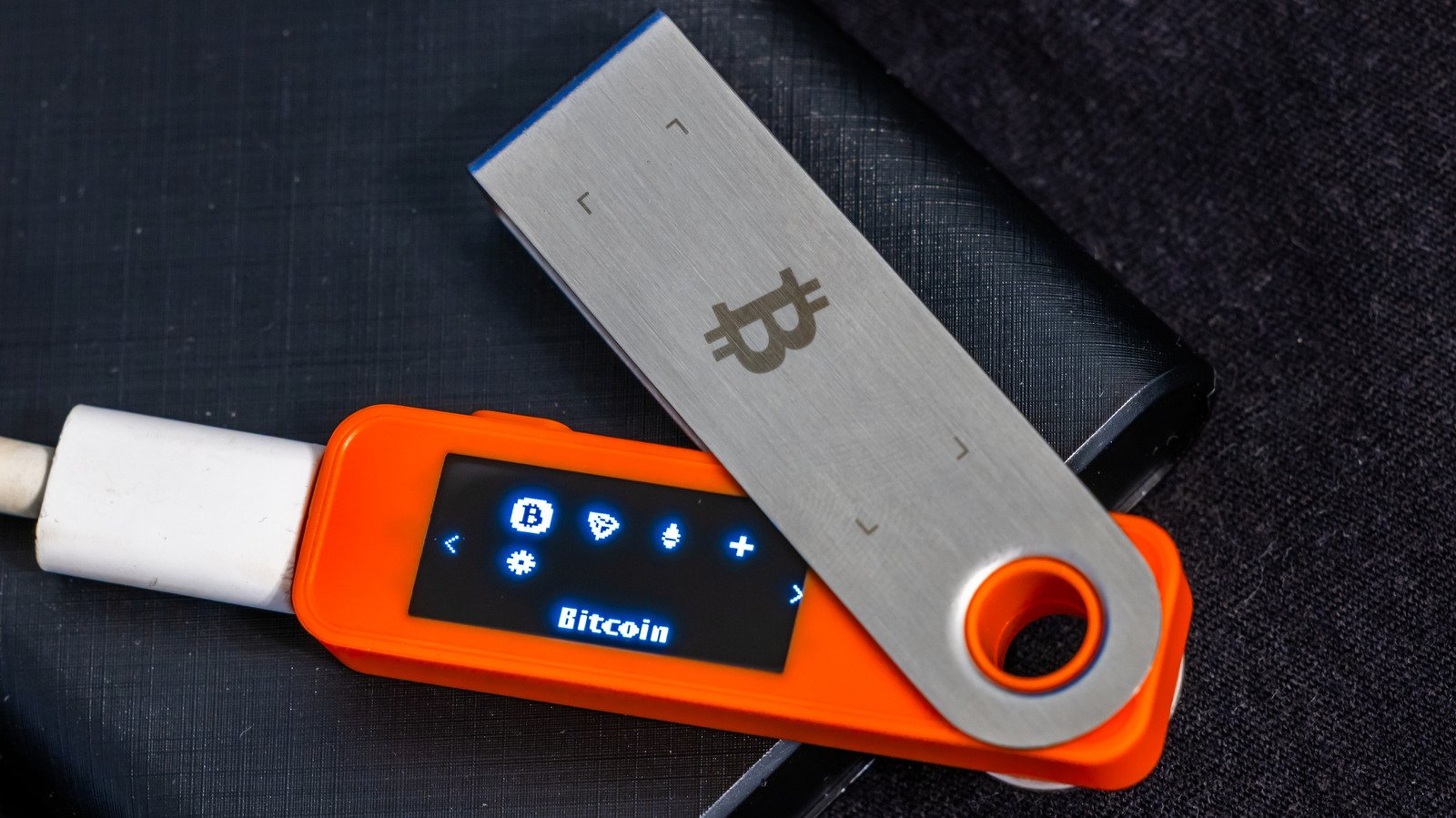
Cold wallets work by isolating your private keys from the internet. Hardware wallets are the most common type today. These devices look like small USB sticks or cards. They use security features like tamper-resistant chips to keep your private keys safe. When you want to make a transaction, the hardware wallet signs the data offline. It then sends that signed information to your phone or computer. Because the private keys never leave the device, malicious software on your device can’t steal them. To approve a transaction, you usually verify details on the device’s screen and confirm with a PIN. This extra step makes hacking nearly impossible because attackers can’t access your keys remotely. Even if someone physically steals the device, they need your PIN to open it. Some wallets also wipe themselves after multiple incorrect PIN attempts, adding another layer of protection. This separation of private keys from connected devices makes cold wallets highly secure.
Valuable Tips and Perspectives on Cold Wallet Security
Despite their strong security features, cold wallets are not invincible. Software faults or vulnerabilities can sometimes be exploited. For instance, a software bug once caused a hardware wallet to generate weak private keys, risking asset loss. When vulnerabilities are found, companies update their devices and encourage users to transfer funds to new, safer wallets. It’s wise to always keep your device firmware updated. Adding a passphrase to your wallet enhances security further, locking it behind an additional password known only to you. Also, always store backup private keys securely offline. Many users write down their seed phrases—combinations of 12 or 24 words—and store them in fireproof safes or on steel plates. Avoid saving backups on your computer or phone, because that defeats the purpose of cold storage. Ultimately, using a cold wallet is about balancing convenience and security. With proper care, these wallets offer excellent protection for your digital assets now and in the future.
Stay Ahead with the Latest Tech Trends
Dive deeper into the world of Cryptocurrency and its impact on global finance.
Explore past and present digital transformations on the Internet Archive.
CellphonesV1
