
Close Menu
    Facebook X (Twitter) Instagram
    Monday, April 13
    Top Stories:
    • Unveiling Vulnerabilities: Breakthrough Nanodisc Technology in HIV and Ebola Research
    • Silent Saboteur: How Aggressive Breast Cancer Evades the Immune System
    • Fans Concerned: Sony’s Bold Shift and Dark Room Anti-Glare Solutions
    Facebook X (Twitter) Instagram Pinterest Vimeo
    IO Tribune
    • Home
    • AI
    • Tech
      • Gadgets
      • Fashion Tech
    • Crypto
    • Smart Cities
      • IOT
    • Science
      • Space
      • Quantum
    • OPED
    IO Tribune
    Home » Cosmic Pillars: Unveiling the Mysteries of the Eagle Nebula
    Space

    Cosmic Pillars: Unveiling the Mysteries of the Eagle Nebula

    Staff ReporterBy Staff ReporterApril 20, 2025No Comments2 Mins Read
    Share Facebook Twitter Pinterest LinkedIn Tumblr Reddit Telegram Email
    Share
    Facebook Twitter LinkedIn Pinterest Email

    Top Highlights

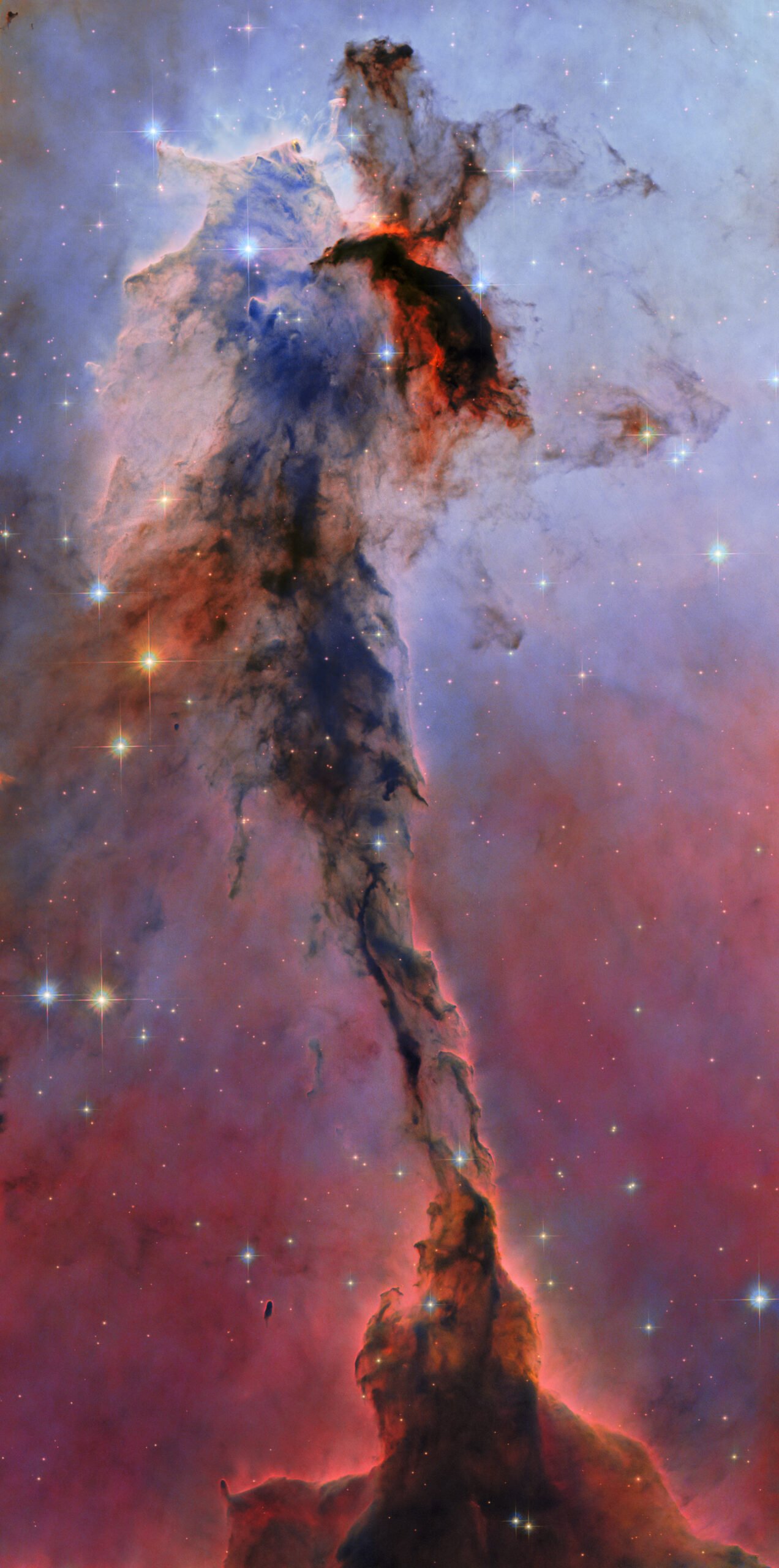
    1. New Image Release: A reprocessed image from April 18, 2025, reveals a massive 9.5-light-year-tall pillar of cold gas and dust in the Eagle Nebula, also known as Messier 16.

    2. Eagle Nebula Overview: The Eagle Nebula is part of the Milky Way and features sculpted dusty clouds shaped by radiation and winds from nearby young stars.

    3. Formation of Nebulae: Nebulae develop their intricate forms when dense gas areas are shielded from the powerful radiation and stellar winds created by infant stars.

    4. Visual Impact: The striking pillar of dust captured in this image exemplifies the stunning beauty and complexity of the phenomena occurring in star-forming regions of the universe.

    On April 18, 2025, astronomers unveiled a stunning new image of a cosmic pillar nestled in the Eagle Nebula. This pillar, stretching 9.5 light-years tall, consists of cold gas and dust. Scientists processed the image to highlight the intricate details of this massive structure.

    The Eagle Nebula, also known as Messier 16, is rich in sculpted, dusty clouds. Astronomers observe these fascinating formations across the Milky Way. However, the Eagle Nebula stands out due to its dramatic shapes. These shapes arise when intense radiation and winds from nearby young stars sculpt the gas and dust.

    Interestingly, denser regions of gas endure the powerful forces better than less dense areas. As a result, they survive the stellar onslaught to create stunning formations like the pillar. This process not only captivates stargazers but also informs researchers about star formation.

    Studying the Eagle Nebula and similar celestial bodies furthers technological development. Insights from these cosmic wonders help scientists improve imaging technology. As a result, researchers can analyze distant galaxies and other astronomical phenomena with greater accuracy.

    Ultimately, discoveries in the cosmos enhance our understanding of the universe. They also inspire innovations that could eventually benefit life on Earth, enriching our knowledge and improving technology for future generations.

    Stay Ahead with the Latest Tech Trends

    Stay informed on the revolutionary breakthroughs in Quantum Computing research.

    Access comprehensive resources on technology by visiting Wikipedia.

    SciV1

    Cosmos NASA Nebulae Space VT1
    Share. Facebook Twitter Pinterest LinkedIn Tumblr Email
    Previous ArticleGoogle Pixel 9a Fast Charging: Progress or Setback?
    Next Article Top Internet Providers in Corona, CA
    Avatar photo
    Staff Reporter
    • Website

    John Marcelli is a staff writer for IO Tribune, with a passion for exploring and writing about the ever-evolving world of technology. From emerging trends to in-depth reviews of the latest gadgets, John stays at the forefront of innovation, delivering engaging content that informs and inspires readers. When he's not writing, he enjoys experimenting with new tech tools and diving into the digital landscape.

    Related Posts

    AI

    Revolutionary Method Boosts AI Speed and Efficiency During Learning

    April 13, 2026
    Crypto

    Retail Exchanges Drive Higher Trading Activity, Says CoinGecko

    April 12, 2026
    Science

    Stop Biodiversity Loss: Safeguarding Earth’s Life-Support Systems

    April 12, 2026
    Add A Comment

    Comments are closed.

    Must Read

    Revolutionary Method Boosts AI Speed and Efficiency During Learning

    April 13, 2026

    Retail Exchanges Drive Higher Trading Activity, Says CoinGecko

    April 12, 2026

    Stop Biodiversity Loss: Safeguarding Earth’s Life-Support Systems

    April 12, 2026

    Celestial Spectacle: 10 Must-See Events for the 2026 Total Solar Eclipse!

    April 12, 2026

    Unveiling Vulnerabilities: Breakthrough Nanodisc Technology in HIV and Ebola Research

    April 12, 2026
    Categories
    • AI
    • Crypto
    • Fashion Tech
    • Gadgets
    • IOT
    • OPED
    • Quantum
    • Science
    • Smart Cities
    • Space
    • Tech
    • Technology
    Most Popular

    Travel Smart: Safeguarding Your Devices on the Go

    April 22, 2025

    Sennheiser Unveils Exciting New Wired Headphones and Earbuds!

    January 27, 2026

    Voices from Beyond: Astronauts Inspire Future Explorers!

    May 18, 2025
    Our Picks

    Large Language Model (LLM): Reasoning Like Human Brains

    February 24, 2025

    Score Big: Era 300 Speaker Now $100 Off + More Discounts!

    November 26, 2025

    Sen. Markey Calls Out AV Firms for Exploiting Human Labor

    April 1, 2026
    Categories
    • AI
    • Crypto
    • Fashion Tech
    • Gadgets
    • IOT
    • OPED
    • Quantum
    • Science
    • Smart Cities
    • Space
    • Tech
    • Technology
    • Privacy Policy
    • Disclaimer
    • Terms and Conditions
    • About Us
    • Contact us
    Copyright © 2025 Iotribune.comAll Rights Reserved.

    Type above and press Enter to search. Press Esc to cancel.