

Essential Insights
- New A.I. systems from Anthropic and OpenAI excel at writing code.
- A.I. is rapidly transforming software development in Silicon Valley.
- Recursive Superintelligence aims for self-improving A.I. with $650 million funding.
- Experts believe A.I. self-improvement is possible, but humans still needed.
The Promise of Recursive Self-Improvement
Notable researchers are rallying around a stunning vision: building artificial intelligence that can advance itself without human intervention. Companies like Anthropic and OpenAI have already launched systems that excel at writing code, fundamentally changing how Silicon Valley engineers create software. These advancements show promise for a wide range of applications, from word processors to social media platforms. When AI can write code, it opens doors to faster and more efficient development processes.
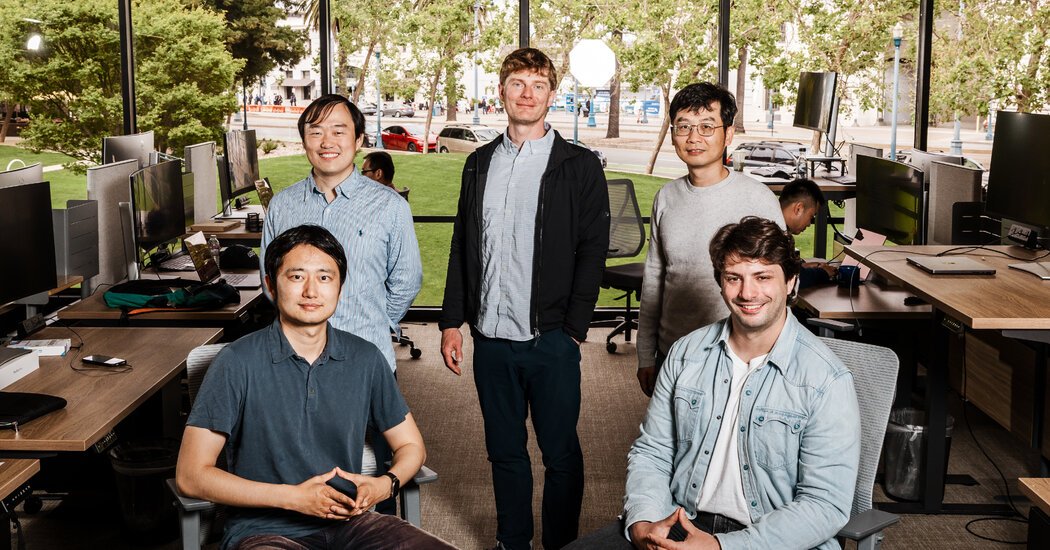
Richard Socher, a seasoned researcher, leads this movement with a new company called Recursive Superintelligence. His team, composed of experts from top AI firms, recently garnered over $650 million in funding. Valued at $4 billion, this startup exemplifies the ambitious spirit of Silicon Valley. They aim to achieve “recursive self-improvement,” a concept that has intrigued technologists for years. By developing AI that generates new ideas and solutions, they hope to transform not just software but also fields like drug discovery.
Despite the excitement, caution remains essential. Many researchers argue that AI is still far from achieving autonomy. Human insight and creativity largely drive current AI advancements. Socher acknowledges the work ahead. His team needs years to reach the level they envision. OpenAI shares similar ambitions and plans to develop an “automated AI researcher” soon. Such projects may bring machines closer to self-sufficiency, yet they still require human oversight.
The Challenges Ahead
The path to self-improving AI brings numerous complexities. Researchers must navigate technical hurdles and ethical dilemmas. Today’s AI lacks the nuanced understanding that human developers offer. While machines can analyze data and patterns, they still struggle with context and innovation. Developers like Socher strive to push boundaries, but they recognize the importance of maintaining human expertise as a critical factor in progress.
The rush to embrace these innovations invites a broader conversation surrounding accountability and responsibility. As organizations pursue autonomous AI, they must also consider potential consequences. The legal landscape, illustrated by lawsuits against companies like OpenAI, underscores concerns about intellectual property and ethics. Balancing rapid innovation with accountability will determine how society harnesses this unprecedented technology.
The pursuit of AI that can improve itself remains a captivating frontier. The blending of human creativity and machine capability holds immense potential. However, the journey is only beginning. Experts must guide this transformation carefully to ensure a future where AI serves humanity responsibly.
Discover More Technology Insights
Dive deeper into the world of Cryptocurrency and its impact on global finance.
Stay inspired by the vast knowledge available on Wikipedia.
TechV1
