

Essential Insights
-
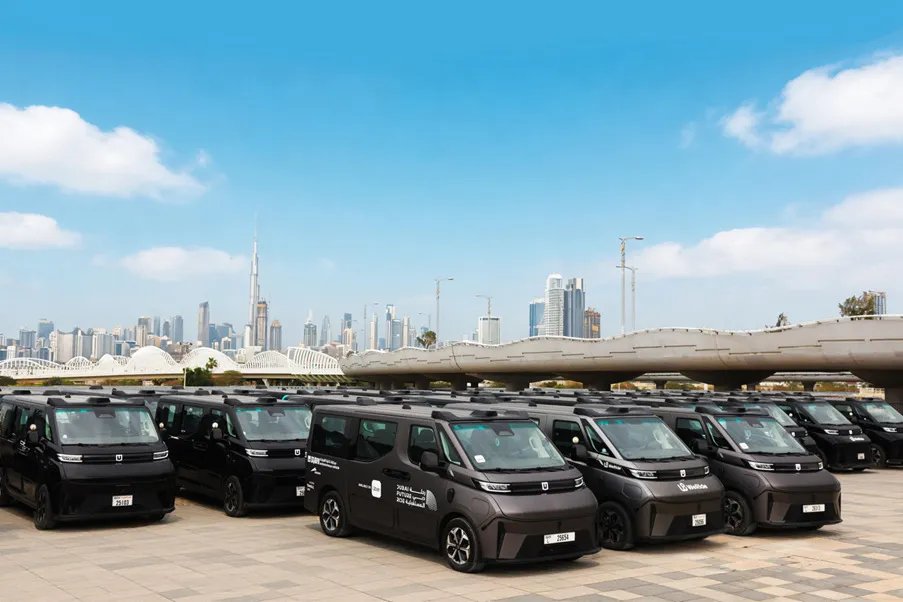
Launch of Driverless Robotaxi: Uber and WeRide have initiated robotaxi services in Dubai without human safety operators, marking a significant expansion in the Middle East’s autonomous vehicle landscape.
-
User Accessibility: Riders can book these autonomous vehicles via Uber’s app in key commercial and industrial areas, including Dubai Silicon Oasis and Al Hamriya Port.
-
Partnership and Investment: Uber holds a 5.82% stake in WeRide, having invested $100 million, with the stake valued at approximately $150 million, further reflecting Uber’s commitment to advancing autonomous mobility.
-
Future Expansion: The partnership aims to extend robotaxi services to 15 additional cities globally over five years, including locations in Europe, enhancing Uber’s operational network alongside WeRide’s technology.
Accelerating Towards Automation
Uber and WeRide have launched driverless robotaxi operations in Dubai, marking a significant milestone in the evolution of urban mobility. Riders can now access these autonomous vehicles through Uber’s app in various districts, including Dubai Silicon Oasis and Al Hamriya Port. Initially introduced as a pilot program, these vehicles operated with a human safety operator. However, the recent implementation of a driverless vehicle trial permit from the Roads and Transport Authority signifies a major shift towards fully autonomous rides. This transition holds the potential to reshape transportation dynamics in metropolitan areas.
Moreover, Uber’s commitment to WeRide amplifies its influence in the rapid expansion of robotaxi services. With a financial stake of approximately $150 million, Uber plans to extend this technology across 15 additional cities in the next five years. Such investments not only enhance Uber’s business model but also aim to normalize the use of autonomous vehicles alongside traditional drivers. Sarfraz Maredia, Uber’s global head of autonomous mobility, emphasizes the importance of this initiative for a resilient transport network. As cities increasingly embrace smart technology, the implications for widespread adoption become clearer.
Implications for Urban Mobility
The deployment of robotaxi services in Dubai prompts essential questions about the future of transportation. As Uber and WeRide push boundaries, they pave the way for more efficient, environmentally friendly transit options. Autonomy in vehicles could alleviate traffic congestion and reduce driver-related accidents. Furthermore, for many residents, the availability of affordable and dependable transport aligns well with urban living needs.
However, challenges remain. Public perception and acceptance play pivotal roles in these developments. Some may feel apprehensive about riding in a fully autonomous vehicle without a safety operator. Ensuring safety and reliability will be paramount for building trust among users. As these technologies mature, companies must prioritize transparency and education to ease concerns. By addressing these issues, Uber and WeRide can not only contribute to sustainable mobility but also enhance the everyday experiences of urban dwellers, shaping a future where technology and transportation intertwine seamlessly.
Discover More Technology Insights
Stay informed on the revolutionary breakthroughs in Quantum Computing research.
Stay inspired by the vast knowledge available on Wikipedia.
TechV1
