

Top Highlights
-
The hit anime film “Gintama: The Movie – The Sorrow of Yoshiwara” showcases a blend of Edo-period fashion and culture, highlighting unique clothing styles in a historical context.
-
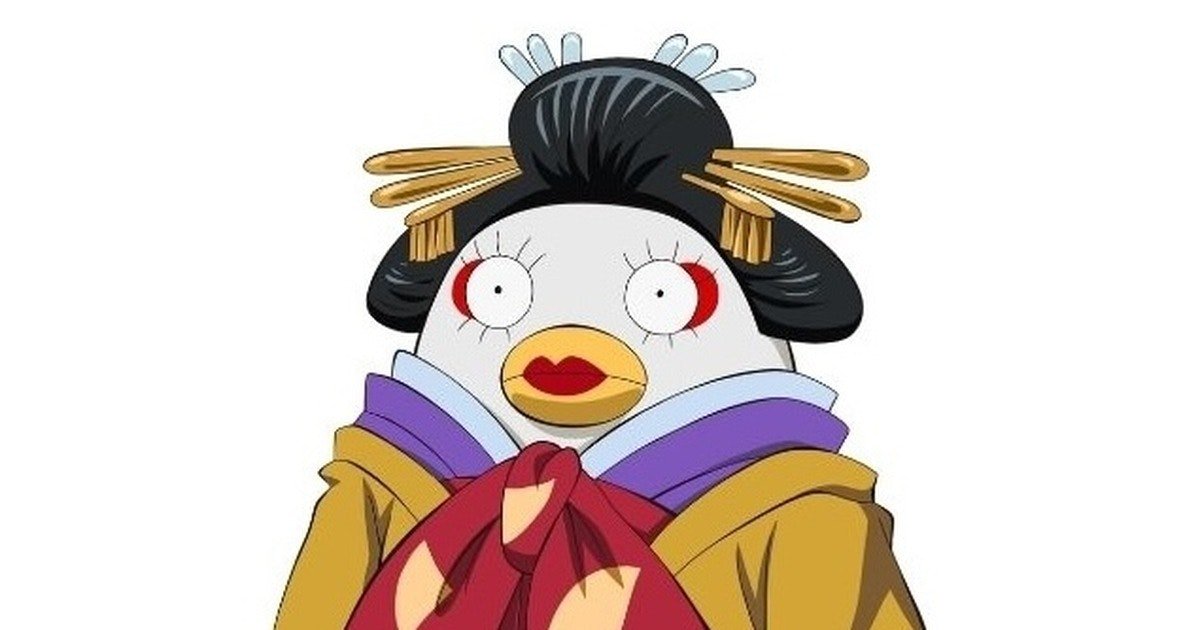
The film features elaborate costumes, including those of historical figures like courtesans, reflecting the textile and dyeing culture of Japan during the late Edo period.
-
An interview with Hinano Ishihara, a curator specializing in Japanese fashion history, discusses the significant differences in attire, such as protagonist Sakata Gintoki’s bold fashion against the common trends of the time.
-
Gintoki’s standout wardrobe choices, including large patterns and Western-style clothing, emphasize the contrasts between historical norms and the vibrant, unique styles represented in “Gintama.”
Understanding Edo Fashion Through Gintama
The anime film “Gintama: The Final Chapter – Yorozuya” has captivated audiences, blending history with storytelling. Set in Edo’s Kabuki district, it showcases the vibrant culture of the time. The film reflects authentic clothing from the late Edo period, particularly iconic garments like the “oiran” outfits worn by courtesans. These intricately designed clothes reveal the social dynamics and aesthetic values of the era. For example, the extravagant fashions of the oiran stand in stark contrast to the more subdued styles of townspeople. Thus, fashion becomes a narrative element that illustrates societal roles.
The Bold and the Subdued: A Fashion Contrast
One standout character is Sakata Gintoki. His fashion choices are strikingly unconventional for a townsman in the late Edo period. While the average male would typically wear subdued designs called “komon,” Gintoki’s large patterns draw attention. This boldness symbolizes individuality amidst societal conformity. Even the incorporation of Western-style clothing in his wardrobe is significant, as Western fashion wasn’t widespread among the common populace at the time. This blend of traditional and modern elements enhances Gintoki’s character complexity, showcasing how clothing choices can reflect personal identity.
The Cultural Significance of Clothing
The film provides a fascinating lens into the textile practices of the Edo period. Clothing serves more than a functional role; it communicates status, occupation, and personal expression. The garments depicted range from the elegant oiran robes to the more simplistic attire of townsfolk, illustrating economic disparities. The careful attention to historical accuracy in these costumes enriches the narrative, allowing viewers to engage deeply with the cultural backdrop. By exploring these fashion choices, “Gintama” plays a pivotal role in preserving and propagating awareness of Edo-period attire and culture.
Expand Your Tech Knowledge
Dive deeper into the world of Cryptocurrency and its impact on global finance.
Discover archived knowledge and digital history on the Internet Archive.
FashionTechV1
