

Fast Facts
Google introduced Gemini AI in Classroom, enabling all students to access AI help.
Schools can turn AI features on or off, but many struggle to track changes.
Tech giants compete to incorporate AI into classrooms, raising safety and privacy concerns.
School leaders call for better control and vetting of AI tools before activation.
Google Activates Gemini A.I. for Students Through Classroom App
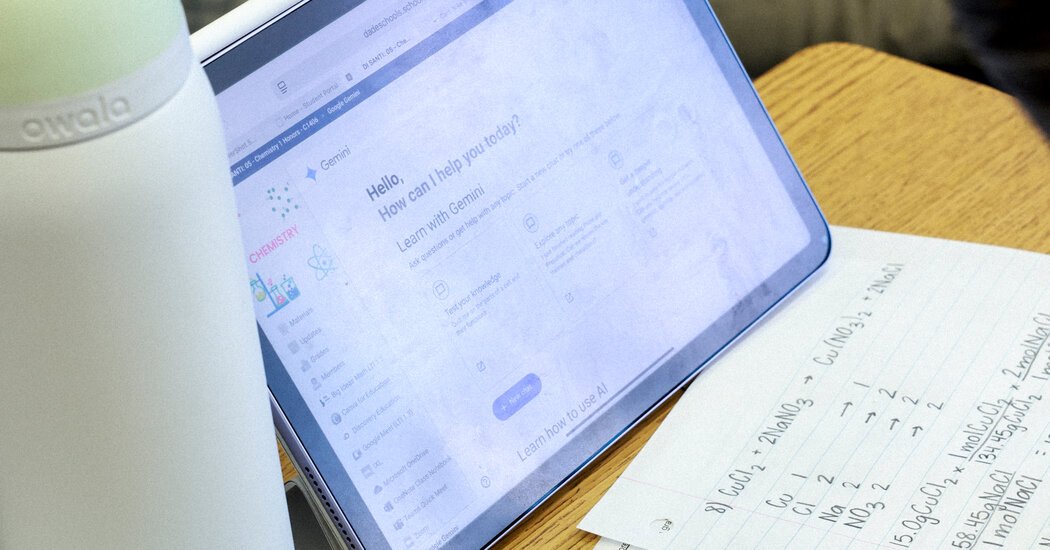
Recently, Google launched its Gemini chatbot for students using the Classroom app. This move marks a new phase in the competition among tech giants to introduce artificial intelligence tools into U.S. classrooms. Google Classroom, which serves over 150 million students and teachers worldwide, now offers students of all ages the ability to access Gemini’s features directly within their learning platform. Previously, the company only enabled Gemini for users 18 or older. Now, the chatbot is available to students from elementary school through high school.
The new Gemini tab within Classroom lets students ask for help with math problems, writing assignments, and more. They can generate study guides, quizzes, flashcards, and even create images related to their coursework. Google explained that this setup allows students to directly ask the A.I. about their specific subjects and assignments. School administrators have control over access; they can turn Gemini on or off for all students or limit it to certain groups, such as younger students. However, some district leaders express concern about how many changes Google makes to A.I. tools for schools. They say it can be difficult to track or fully understand what tools are active at any time.
The Race for Classroom Dominance and Its Risks
The move to incorporate A.I. in classrooms shows how tech companies want to shape future users. Google joins rivals like Microsoft, Apple, and newer A.I. firms such as OpenAI and Anthropic. While some of these companies have introduced classroom chatbots, many have held back from making their tools widely available for students in U.S. public schools. Teachers and parents worry about safety, privacy, and whether A.I. tools help or hinder learning. Critics say students might rely too much on the chatbots for studying, which could diminish critical thinking. They also raise concerns about data privacy and the potential for misuse.
Google’s approach continues a pattern of default settings that favor rapid adoption. Often, schools discover changes only after they are active. Experts argue schools should have the final say. They believe tech companies should first let schools review and approve new tools before they turn them on for students. Some leaders, like James O’Hagan from Wisconsin, emphasize the importance of permission. He points out Google previously activated services without explicit approval and criticizes the lack of clear communication. As additional features roll out—including personalized search recommendations—districts now take steps to manually disable new settings when they do not fit their policies.
This ongoing rollout underscores the tension between innovation and oversight. While A.I. offers new ways to support students’ learning, it also raises questions about responsibility, privacy, and the role of educators in guiding tech use. As these tools become more embedded in daily lessons, schools, parents, and companies must work together to find a balance that benefits students without compromising safety or critical thinking skills.
Continue Your Tech Journey
Stay informed on the revolutionary breakthroughs in Quantum Computing research.
Discover archived knowledge and digital history on the Internet Archive.
TechV1
