
Close Menu
    Facebook X (Twitter) Instagram
    Saturday, August 1
    Top Stories:
    • Driving Innovation: Honda Partners to Revolutionize Solid-State Batteries
    • Supervolcano Awakening: Fresh Magma Sparks Concern
    • Revolutionary Microwave Frying: Healthier French Fries Ahead!
    Facebook X (Twitter) Instagram Pinterest Vimeo
    IO Tribune
    • Home
    • AI
    • Tech
      • Gadgets
      • Fashion Tech
    • Crypto
    • Smart Cities
      • IOT
    • Science
      • Space
      • Quantum
    • OPED
    IO Tribune
    Home » Elevating Excellence: The Human Rating Revolution
    Space

    Elevating Excellence: The Human Rating Revolution

    Staff ReporterBy Staff ReporterAugust 18, 2025No Comments3 Mins Read
    Share Facebook Twitter Pinterest LinkedIn Tumblr Reddit Telegram Email
    Share
    Facebook Twitter LinkedIn Pinterest Email

    Summary Points

    1. Critical Human-Rating Certification: Human-rating ensures space systems are safe and suitable for human use, emphasizing protection of life and accommodation of human needs, with a target risk of crew loss set at 1 in 500 for NASA.

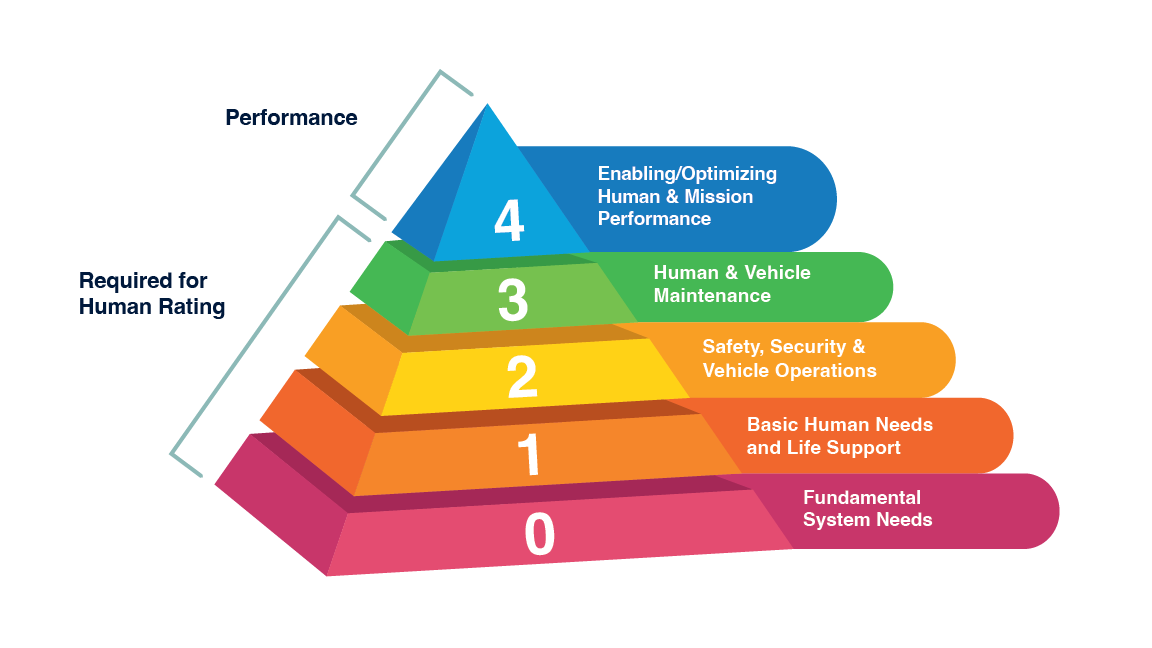
    2. Evolution of Standards: The human-rating concept has advanced from basic survival to an interdisciplinary approach that integrates various fields, addressing the complexities of extended space missions and optimizing human function.

    3. Foundational Guidelines: Modern human-rating standards, like NASA Procedural Requirements and Technical Requirements for Human-Rating, focus on risk-informed design, fault tolerance, and crew safety throughout all mission phases.

    4. Rigorous and Cultural Commitment: The human-rating process is iterative and demanding, involving extensive testing and a cultural dedication to crew safety shared across all team members, reinforcing accountability for human life.

    NASA’s Human-Rating Standards Shape the Future of Space Travel

    NASA’s human-rating process is crucial for ensuring the safety and efficacy of space systems. This certification validates that vehicles, habitats, and spacesuits can safely support human life. By focusing on human needs, NASA enhances the interaction between astronauts and technology. For instance, the agency sets strict guidelines to limit the probability of losing a crew member to 1 in 500 during critical phases like ascent or descent.

    Over the years, human-rating has advanced beyond basic survival. Initially, designers prioritized redundancy in vital systems. Now, a wide range of disciplines—including engineering and medicine—work together to enhance human capabilities in extreme environments. As missions grow longer and more complex, so do the standards that govern them.

    Key documents like NASA-STD-3001 provide a framework for these human-rating standards. They emphasize risk-informed design, human factor considerations, and recovery protocols. This structured approach helps create safe environments, allowing astronauts to maintain control and make informed decisions throughout their missions.

    The certification process involves rigorous evaluation. It includes performance tests, simulations, and extensive safety analyses. Each system undergoes numerous checks to ensure it meets the established criteria. Importantly, this process goes beyond technical requirements; it fosters a culture of safety at NASA. Every team member—from engineers to mission control—plays a role in safeguarding human life.

    To further support its teams, NASA conducts reviews of standards like NASA-STD-3001 against other safety documents. These assessments identify critical health and performance factors that designers need to consider. While not exhaustive, these reviews simplify the integration of human-rating principles into various projects.

    As technology continues to develop, NASA’s commitment to human-rating ensures that advancements in space exploration prioritize astronaut safety and well-being. This focus not only enhances space travel but also sets a benchmark for industries on Earth, demonstrating the importance of user-centered design in technology development.

    Continue Your Tech Journey

    Stay informed on the revolutionary breakthroughs in Quantum Computing research.

    Access comprehensive resources on technology by visiting Wikipedia.

    SciV1

    Artemis Commercial Space Cosmos General Humans in Space International Space Station (ISS) NASA Office of the Chief Health and Medical Officer (OCHMO) Space Spacesuits VT1
    Share. Facebook Twitter Pinterest LinkedIn Tumblr Email
    Previous ArticleGrab the Anker 3-in-1 Wireless Charging Station at 30% Off!
    Next Article Epic Bluetooth Speaker Deal: Just $60!
    Avatar photo
    Staff Reporter
    • Website

    John Marcelli is a staff writer for IO Tribune, with a passion for exploring and writing about the ever-evolving world of technology. From emerging trends to in-depth reviews of the latest gadgets, John stays at the forefront of innovation, delivering engaging content that informs and inspires readers. When he's not writing, he enjoys experimenting with new tech tools and diving into the digital landscape.

    Related Posts

    AI

    Coding Agents Thrive with a Context Compiler

    August 1, 2026
    Tech

    Driving Innovation: Honda Partners to Revolutionize Solid-State Batteries

    August 1, 2026
    Science

    Semaglutide Pill Significantly Reduces Alcohol Consumption

    August 1, 2026
    Add A Comment

    Comments are closed.

    Must Read

    Coding Agents Thrive with a Context Compiler

    August 1, 2026

    Driving Innovation: Honda Partners to Revolutionize Solid-State Batteries

    August 1, 2026

    Semaglutide Pill Significantly Reduces Alcohol Consumption

    August 1, 2026

    Are AI Hacking Spree Illegal? Unknowns Unveiled

    August 1, 2026

    $2 Sticker Bypasses Meta Glasses Creep Prevention

    August 1, 2026
    Categories
    • AI
    • Crypto
    • Fashion Tech
    • Gadgets
    • IOT
    • OPED
    • Quantum
    • Science
    • Smart Cities
    • Space
    • Tech
    Most Popular

    Thriving Remote: Mastering Growth in a Virtual Landscape

    October 23, 2025

    Canine Senses: Dogs Detect Parkinson’s Years Early with 98% Accuracy

    July 17, 2025

    DeFi TVL Soars Past $99B, Stablecoin Volume Reaches $18.8T!

    January 10, 2026
    Our Picks

    Beware the Lone Star Tick: A Rising Threat Across the U.S.

    July 5, 2026

    Experience Power: Anker’s Upgraded 45-Watt Nano Charger Revealed!

    February 7, 2026

    Unlocking Longevity: The Butterfly Connection

    June 23, 2026
    Categories
    • AI
    • Crypto
    • Fashion Tech
    • Gadgets
    • IOT
    • OPED
    • Quantum
    • Science
    • Smart Cities
    • Space
    • Tech
    • Privacy Policy
    • Disclaimer
    • Terms and Conditions
    • About Us
    • Contact us
    Copyright © 2025 Iotribune.comAll Rights Reserved.

    Type above and press Enter to search. Press Esc to cancel.