

Essential Insights
- Apple has begun beta support for end-to-end encrypted RCS messaging in iOS 26.5, enabling secure communication between Android and iPhone users (though with some network and device requirements).
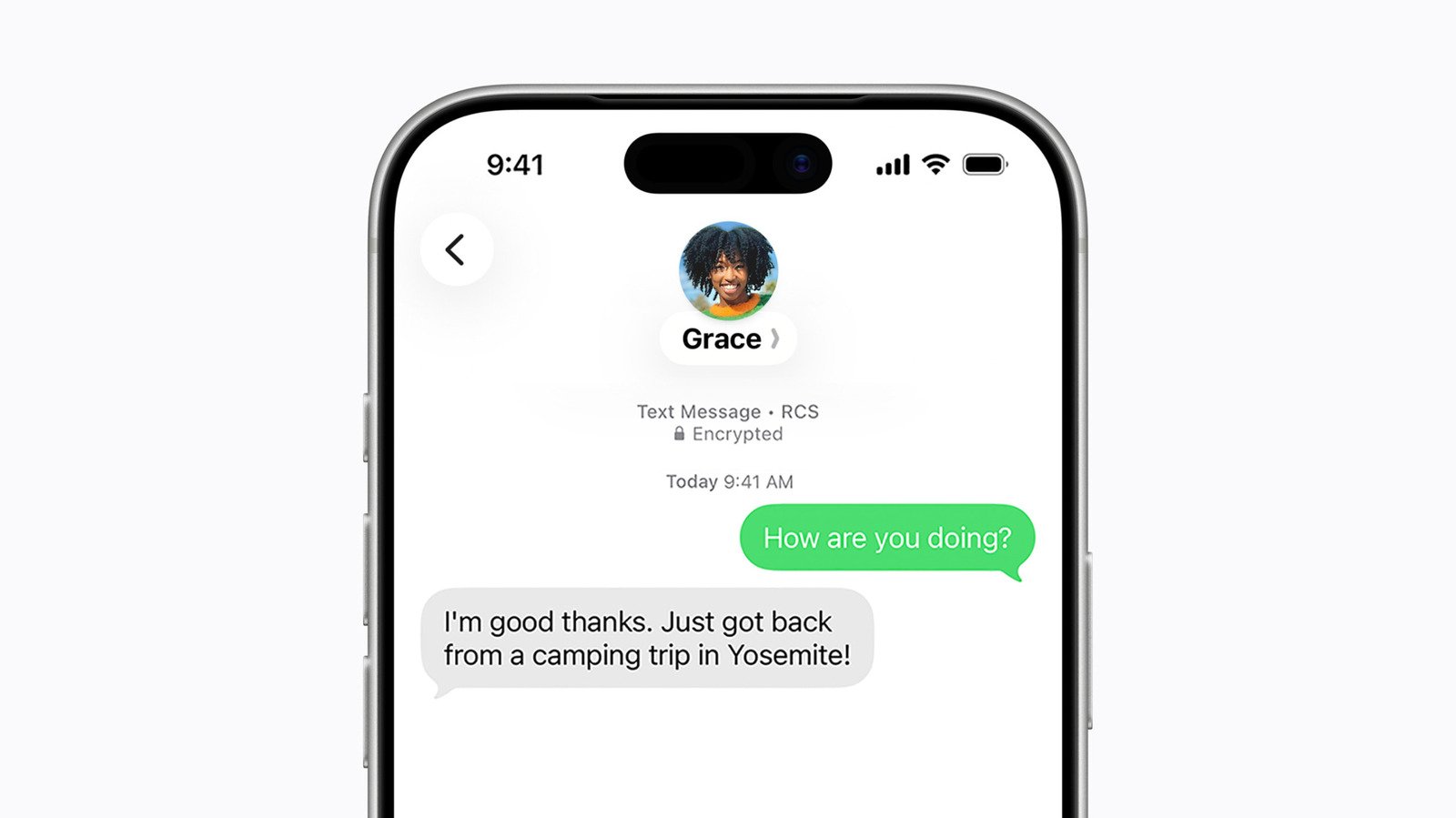
- To secure RCS messages, both sender and recipient need compatible devices, supported networks, and the latest apps; a lock icon indicates a secure chat on iPhone.
- The release marks a significant step towards cross-platform secure messaging, reducing reliance on third-party apps like Signal or WhatsApp, despite some ongoing quirks.
- Updates also include new features for Maps and aesthetic options like Pride-themed wallpapers, alongside standard device OS updates.
End-to-End Encryption Comes to RCS for iOS Users
Apple has just started rolling out a new feature in iOS 26.5—end-to-end encrypted RCS messaging. This update marks a significant step forward for messaging security. Now, users can send messages that are better protected against hacking or eavesdropping. The new encryption feature is part of a beta rollout, so not everyone will see it immediately. To use it, both parties need compatible devices and networks. For iPhone users, seeing a lock icon at the top of a chat confirms the message is secure. Most new conversations will automatically switch to this secure mode over time. This development aims to make messages safer without changing how users already chat. It’s a positive move that adds privacy without complicating the user experience.
What You Need to Use Encrypted RCS
Getting started with encrypted RCS is straightforward but requires certain conditions. You need an iPhone running iOS 26.5 connected to a network supporting encrypted messaging. In the United States, major carriers like AT&T, T-Mobile, and Verizon support this feature from day one. For Android users, the latest version of Google Messages is necessary, running on a compatible network as well. Apple will keep routing iPhone-to-iPhone messages through iMessage, maintaining familiar features. For messages between iPhones and Android phones, RCS will now provide a more secure alternative to traditional SMS. This change reduces the reliance on third-party apps for secure communication and promises a more seamless experience. Even so, some quirks may still appear as the system stabilizes during the beta phase.
Impacts and Future of Messaging Security
The introduction of end-to-end encrypted RCS messaging responds to long-standing demands for better privacy. It’s especially significant because messaging has historically been insecure, with many users relying on apps like WhatsApp or Signal. Now, iOS and Android users can communicate more securely across platforms without extra steps. This shift could reduce the stigma of “green bubbles,” which often hints at less secure or less advanced messaging. Meanwhile, Apple continues to prioritize privacy with updates across other devices, like iPads and Macs. Although the new features are still in beta, this rollout indicates a future where secure messaging becomes standard. Expect some bugs at first, but overall, this move offers a more private way to stay connected. It’s a step toward more secure communication that benefits everyone.
Stay Ahead with the Latest Tech Trends
Learn how the Internet of Things (IoT) is transforming everyday life.
Access comprehensive resources on technology by visiting Wikipedia.
CellphonesV1
