

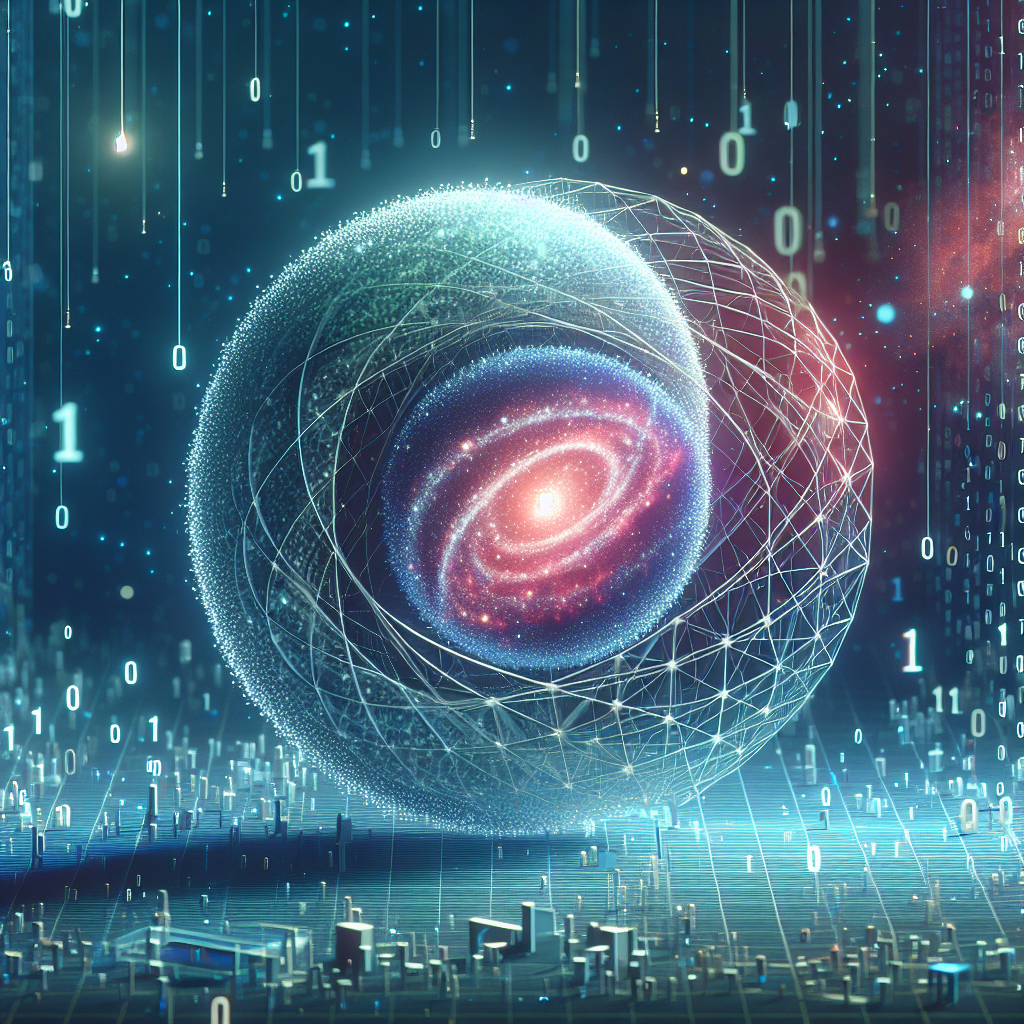
What If the Universe Is Just a Simulation?
Imagine waking up one day and realizing that everything you’ve ever known—from the stars in the sky to the ground beneath your feet—is part of an intricate digital landscape crafted by an advanced civilization. This idea, known as simulation theory, challenges us to think deeply about the nature of our reality and our roles within it.
Understanding the Basics: What Is Simulation Theory?
Simulation theory suggests that our universe may not be a physical entity. Instead, it could be a highly sophisticated simulation created by a more advanced society. Prominent thinkers like Nick Bostrom argue that if it’s possible to simulate consciousness, it stands to reason that we might be living in one of those simulations. To grasp this concept, it helps to think about virtual reality video games. Just as characters in a game interact within their coded world, we too might be interacting in a constructed reality.
This raises significant questions about existence. If everything we perceive is an elaborate program, what does that mean for our understanding of consciousness and the essence of what it means to be human?
The Implications of a Simulated Universe
If we accept that our universe might be simulated, we must consider its ethical implications. What responsibilities do we hold toward other beings, even those created within a digital space? For instance, if we view other people as characters in a game, does that lessen our obligation to treat them with respect and kindness?
Beyond morality, simulation theory forces us to reevaluate our concept of free will. If our actions are predetermined by the parameters of a simulation, do we truly have the freedom to make our own choices? This possibility invites many to reflect on their beliefs. Are you the maestro of your own life or simply following a script written by someone else?
Real-World Relevance: Technology and Ethics
As technology advances, the lines between digital and physical realities blur. Think of how video games and virtual environments shape social interactions today. They create spaces where the rules differ from real life, influencing behavior and ethics. As our capabilities grow, these questions become increasingly relevant. What ethical guidelines should we follow when creating virtual worlds? How do we ensure that empathy persists in a landscape where reality is flexible?
Looking to the Future
The discussion surrounding simulation theory is not merely philosophical; it pushes us to examine our present and future. As we explore the boundaries of artificial intelligence and virtual environments, we must remain vigilant about our ethical responsibilities. The implications of these conversations extend into technology, society, and even our understanding of existence itself.
Consider the world ahead: a landscape shaped by technology, where the lines between what is real and what is imagined continually shift. Engaging with these ideas challenges us to think critically about our lives and our impact, both in reality and in any potential simulations we might create. What will we choose to build in our quest for understanding? Only time, and perhaps a bit of reflection, will tell.
Stay Ahead with the Latest Tech Trends
Stay informed on the revolutionary breakthroughs in Quantum Computing research.
Stay inspired by the vast knowledge available on Wikipedia.
OPEDV1
