

Fast Facts
- Flip phones, especially Japan’s gara-kei, thrived longer due to cultural ties, durability, and features like TV broadcasts and infrared contact sharing.
- The decline accelerated after NTT Docomo ended 3G services in 2023, impacting millions and ending reliance on feature phones.
- Japan’s aging population and efforts to boost digital literacy among seniors spurred a shift back to smartphones despite initial niche use.
- Manufacturing and cultural trends indicate the gara-kei is nearing extinction, marking the end of an era for Japan’s unique mobile history.
The End of an Era: Why Japan Said Goodbye to Flip Phones
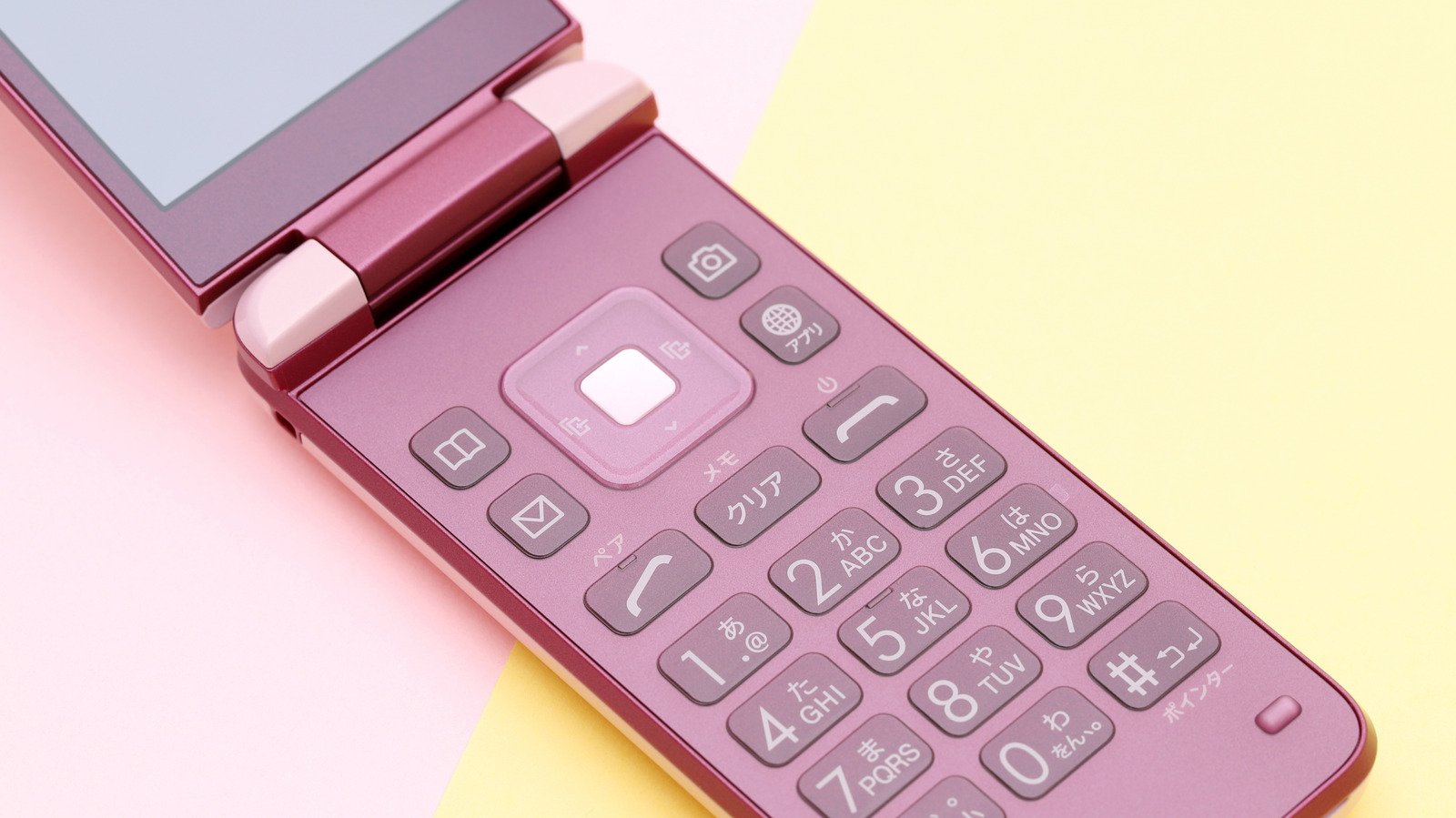
For decades, flip phones known as gara-kei were more than just gadgets. They reflected Japanese culture and daily life. These sturdy devices with their colorful covers and tactile keyboards became a symbol of reliability. Unlike in the U.S., where smartphones quickly took over, Japan kept using flip phones much longer. They offered practical features like infrared contact sharing and built-in TV tuners. Many people depended on them for simple tasks like paying for train tickets or groceries. As a result, even as big smartphones arrived, gara-kei remained a staple for many Japanese users. However, recent changes signal that the flip phone’s time is ending. Major network shutdowns and shifting habits are pushing Japan toward modern smartphones. This transition unlocks new opportunities but also marks the closing of a unique chapter in mobile history.
What Made Flip Phones So Popular in Japan?
Flip phones in Japan had special qualities that set them apart. They were known for their durability and unique features. Many supported One-Seg TV broadcasts, allowing users to watch local shows. Infrared transmitters meant users could easily share contacts without internet. Colors were vibrant, and accessories like lanyard holes made them fashionable. Additionally, they supported lightweight 3G data, enabling simple applications. Embedded chips allowed contactless payments for trains and groceries. These features made gara-kei essential for daily life. Carriers offered affordable contracts, making them accessible for many. Even today, nostalgia draws some to these designs. However, the shift to 4G and 5G networks now makes these older phones less functional. While enthusiasts can find old models online, they face limitations with modern networks.
Why Is Japan Moving Away from Flip Phones?
Many factors drive Japan’s shift away from gara-kei. The end of i-mode, Japan’s older mobile internet service, is a major blow. It affects hundreds of thousands of users, including car navigation and vending machines. Japan’s aging population plays a big role, too. Nearly one-third of the country’s residents are over 65. Many seniors relied on flip phones for their simplicity. To help older citizens stay connected, the government gave out smartphones to seniors. Meanwhile, younger generations seek faster, more versatile devices. Some teens wanted to escape social media distractions, but many will need smartphones for internet access. Carriers see this as an opportunity. They are offering training programs to help users learn smartphone skills. Ultimately, Japan’s love for the flip phone era is fading, giving way to a new era of digital connectivity and mobile technology.
Discover More Technology Insights
Stay informed on the revolutionary breakthroughs in Quantum Computing research.
Access comprehensive resources on technology by visiting Wikipedia.
CellphonesV1
