

Essential Insights
Hurricane Lala narrowly missed Hawaii’s landfall in August 2026.
The storm caused heavy rains, flooding, and mudflows on the island.
Power outages affected over 220,000 customers due to strong winds.
Active El Niño conditions fueled Pacific storms, but subdued Atlantic hurricanes.
Hawaiʻi and the Impact of Hurricane Lala
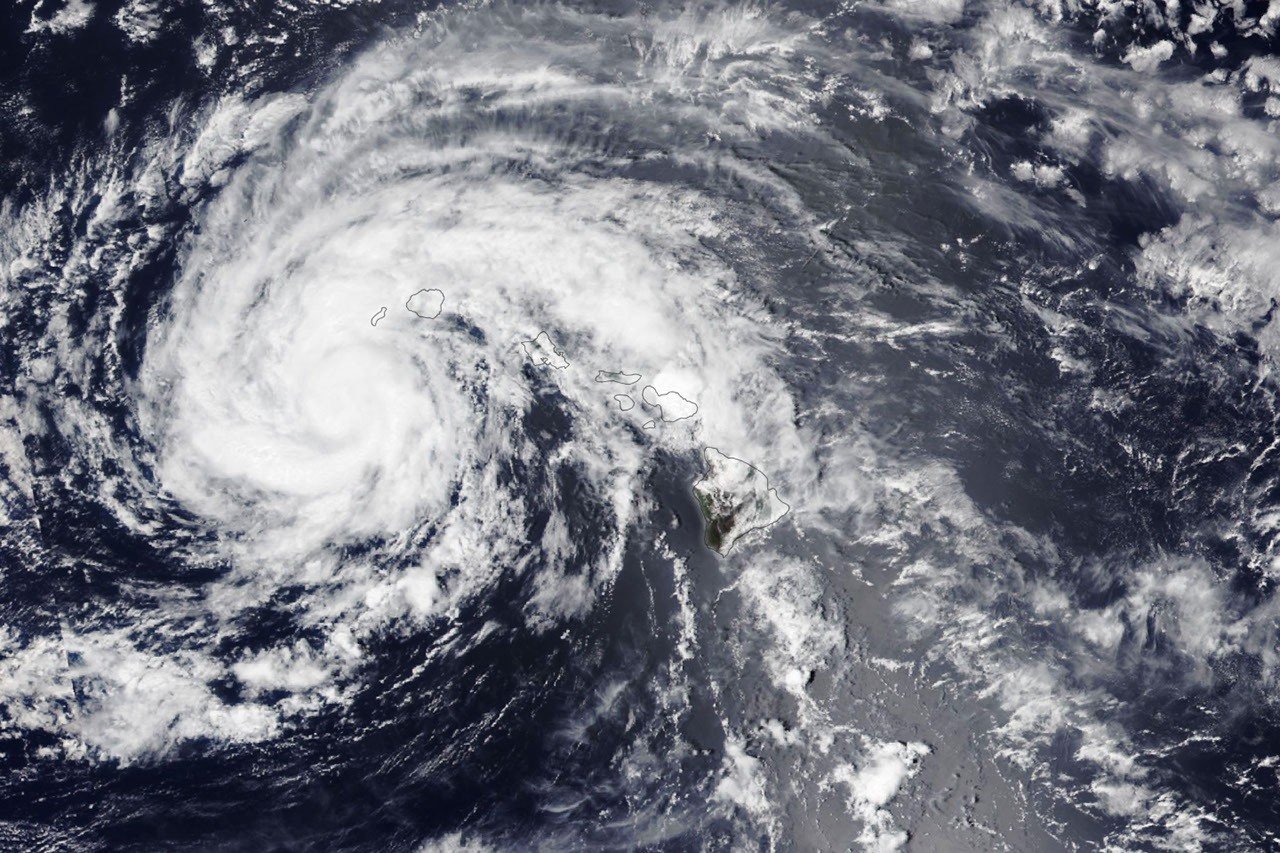
In August 2026, hurricane season brought a significant challenge to Hawaiʻi. Hurricane Lala, a category 1 storm on the Saffir-Simpson scale, narrowly missed making direct landfall on the island of Hawaiʻi. Despite this, its passage caused extensive damage. On August 15, the storm moved just south of the island, bringing heavy rains, high winds, and dangerous waves. Rainfall totals in some areas exceeded 20 inches, with the highest recorded at Laupāhoehoe at 43.55 inches. These heavy rains led to flash flooding and persistent mudflows, damaging homes and infrastructure. Trees fell, bridges suffered damage, and some homes were knocked off their foundations. Coastal areas faced large, destructive waves, while the summit of Mauna Kea experienced blizzard-like conditions over 13,000 feet above sea level.
By August 16, the storm had shifted northwest, roughly parallel to the Hawaiian chain, and was southwest of Kauaʻi. Lala had weakened to a tropical storm with winds of about 65 miles per hour. Across the islands, the storm’s effects were widespread. More than 220,000 residents lost power, and transportation infrastructure was heavily impacted. Floodwaters and debris made many roads impassable. The island’s residents faced a difficult aftermath of destruction, with ongoing risks from mudflows and secondary flooding.
This storm was part of a busy and active tropical cyclone season in the Eastern Pacific. Scientists connect this activity to the ongoing El Niño phenomenon that began earlier in 2026. El Niño causes warmer waters in the equatorial Pacific, which provides extra energy for storms. It also reduces wind shear, a factor that normally limits storm development. As a result, storms like Lala tend to form and grow more easily during this period. Meanwhile, the Atlantic hurricane season has been relatively calm, because different wind patterns inhibit storm formation there during El Niño conditions.
NASA and Satellite Observations of Lala
NASA played a crucial role in monitoring Hurricane Lala. The agency used its advanced satellite technology to capture detailed images and data of the storm’s progress. These observations are essential for understanding storm behavior and assessing the damage caused by such natural events. NASA’s satellites, including the Visible Infrared Imaging Radiometer Suite (VIIRS), provided high-resolution images from space, revealing the storm’s structure and intensity.
One image showed the storm early in its development, while another captured Lala as it tracked northwest of Hawaiʻi. These images help scientists analyze how the storm changes over time. They also support the National Hurricane Center in issuing accurate warnings and advisories. The data collected from space satellites give a broader view, showing the extent of rainfall and wind spread. This information is critical in emergency planning and response, as authorities work to minimize risk and aid recovery efforts.
NASA’s Earth Observatory combines satellite data with scientific analysis to improve understanding of tropical cyclones. During storms like Lala, satellite imagery allows researchers to track storm paths, measure rainfall accumulation, and observe climatic influences such as El Niño. These tools help scientists predict storm patterns better and build more resilient communities in hurricane-prone regions.
Tracking storms from space not only aids immediate response but also adds to the knowledge base of climate change’s impact on tropical weather. As extreme weather events become more frequent, space-based observation remains a vital resource for safeguarding communities and informing policy decisions based on scientific evidence.
Continue Your Tech Journey
Stay informed on the revolutionary breakthroughs in Quantum Computing research.
Explore past and present digital transformations on the Internet Archive.
Space
