

Essential Insights
- Lucid Motors denied bankruptcy rumors despite stock dropping 50% following reports.
- The company claims to have sufficient cash flow for operations next year.
- Panic spread to Rivian and Polestar, raising concerns about EV market stability.
- Lucid faces significant challenges, including losses and leadership turmoil, ahead.
Lucid Motors: A Canary in the Coal Mine
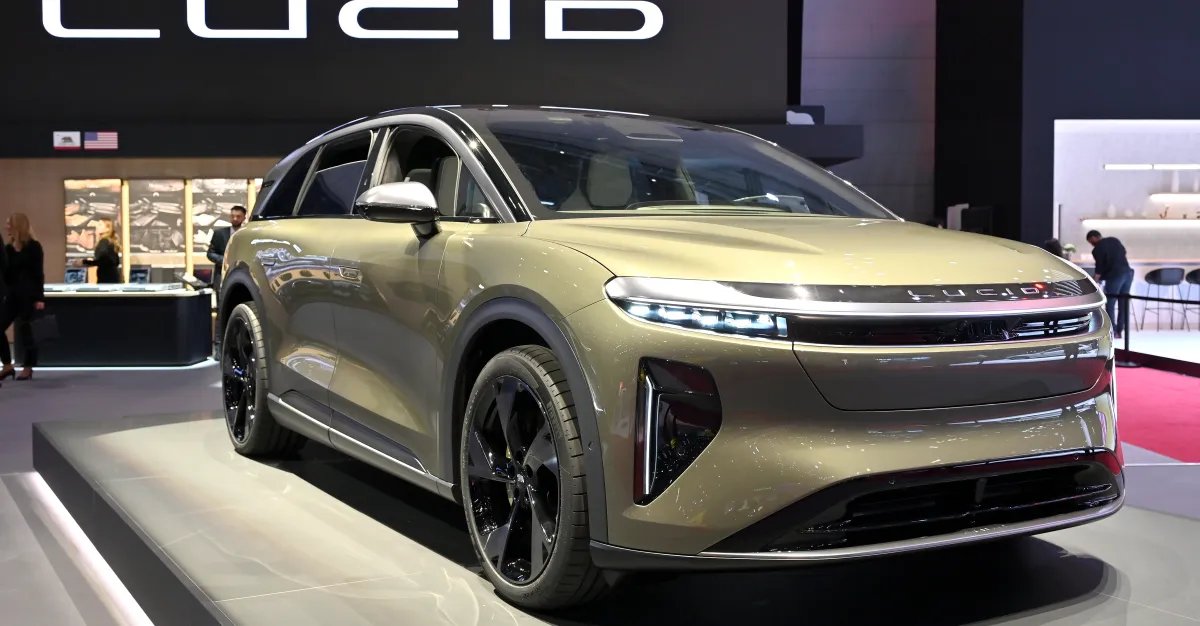
Lucid Motors faced a storm this week as rumors swirled about impending bankruptcy. The electric vehicle (EV) maker quickly called these claims “completely false” and emphasized its available cash flow. However, the swift denial did little to restore investor confidence. Its stock price plummeted, dropping as much as 50% in one day. This sharp decline indicated a deeper concern about Lucid’s viability and the health of the EV market as a whole.
The situation intensified when media outlets reported that restructuring firm AlixPartners suggested options like Chapter 11 bankruptcy or a take-private deal. Although Lucid confirmed hiring AlixPartners, it staunchly denied any recommendation to file for bankruptcy. The fallout didn’t stop there; shares of Rivian and Polestar also dropped amid fears for the future of EV-only companies. Wall Street has started to panic, and it’s easy to see why.
Electric vehicle sales are stabilizing but far from booming. Reports of over $1 billion in losses in just one quarter shed light on Lucid’s precarious state. Two rounds of layoffs and production cuts further illustrate the challenges the company faces. This turmoil reflects the overall landscape for EV manufacturers outside of Tesla, casting doubt on their long-term survival.
The Future of EVs: Uncertain and Reliant
The troubles at Lucid signal a challenging road ahead for the entire EV sector. Polestar’s struggles with U.S. market access due to its Chinese ties and Rivian’s massive financial bets on mass-market production highlight growing instability. Each of these companies relies on significant stakeholders for survival. Lucid leans on the Saudi Public Investment Fund, while Polestar has Geely, and Rivian depends on Volkswagen.
Recent events reveal a troubling trend: if major backers withdraw support, these companies could face dire consequences. The rumors surrounding Lucid may serve as a warning sign for all stakeholders in the EV space. As consumer demand slows and policy frameworks shift suddenly, the dream of an all-electric future seems more distant than ever. Investors and consumers alike should watch closely as the narrative unfolds.
Expand Your Tech Knowledge
Explore the future of technology with our detailed insights on Artificial Intelligence.
Access comprehensive resources on technology by visiting Wikipedia.
TechV1
