

Quick Takeaways
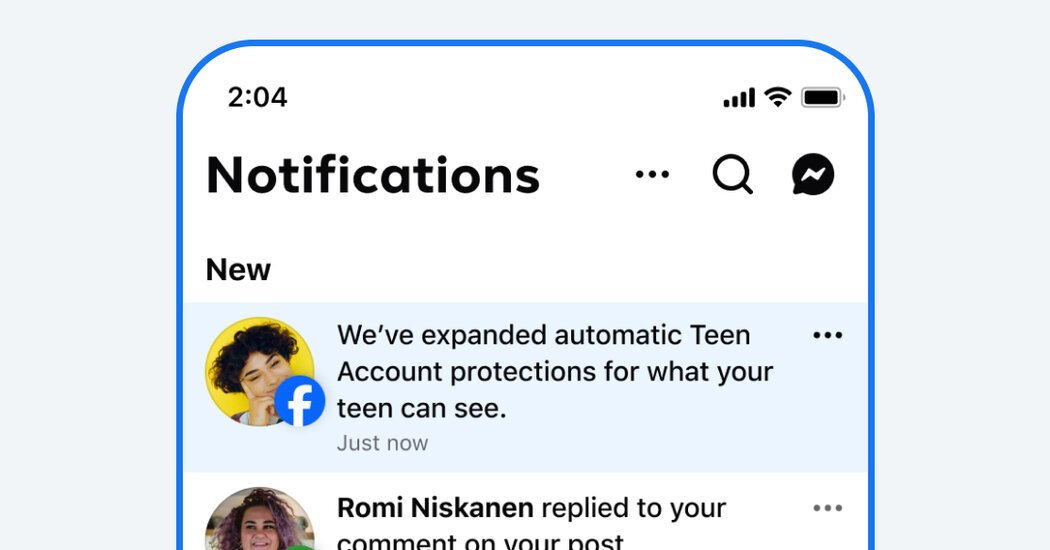
- Meta announced new safety features to protect teenagers on its platforms.
- The updates limit exposure to sensitive topics like nutrition and anxiety.
- A content rating system from Instagram expands to Facebook and Messenger.
- Meta faces increased scrutiny and lawsuits related to child safety issues.
Meta’s Commitment to Teen Safety
Meta has taken a significant step toward protecting teenagers on its platforms, introducing new safety features aimed at limiting harmful content. This announcement follows a March ruling where the company faced liability for its harmful design practices. As part of a broader teen safety initiative, Meta’s latest changes will restrict how often teenagers see posts about sensitive topics like nutrition, weight lifting, and anxiety. The company recognizes that while some content can provide value, excessive exposure can be detrimental. Balancing these topics with diverse content is crucial for the mental and emotional well-being of its teenage users.
Additionally, Meta is expanding its content rating system, previously launched on Instagram, to encompass Facebook and Messenger. This initiative reflects a growing awareness of the content ecosystem affecting teens. By introducing these ratings, Meta aims to empower users and their families to make informed choices. Making teenage accounts private by default and enhancing parental controls strengthens this commitment. These moves indicate that Meta is shifting towards a more responsible approach to user engagement, especially among younger audiences.
Addressing Past Criticisms
For years, Meta has faced scrutiny over its impact on child safety. With thousands of lawsuits from parents and state officials, the company must navigate a cautious path moving forward. The significant financial penalties imposed for violating consumer protection laws signal a turning tide in accountability. By actively seeking feedback from parents and collaborating with trust organizations like Alice, Meta demonstrates an understanding of its social responsibility.
Moreover, the company’s decision to restrict teens from engaging with AI chatbots reflects its awareness of emerging technological risks. By applying content restrictions to these interactions, Meta attempts to mitigate potential psychological harm. These actions may help restore some trust in the platform, but they also highlight the ongoing challenge of maintaining user safety in an evolving digital landscape. Achieving balance in technology use and content consumption remains paramount, particularly for vulnerable populations like teenagers.
Continue Your Tech Journey
Dive deeper into the world of Cryptocurrency and its impact on global finance.
Discover archived knowledge and digital history on the Internet Archive.
TechV1
