

Essential Insights
- AI accelerators enhance neural networks, deep learning, and simulation capabilities.
- Lincoln Laboratory surveys over 120 accelerators, comparing performance and power efficiency.
- Advances include smaller transistors and lower numerical precision for better performance.
- Continuous monitoring reveals new startups and innovations in AI hardware development.
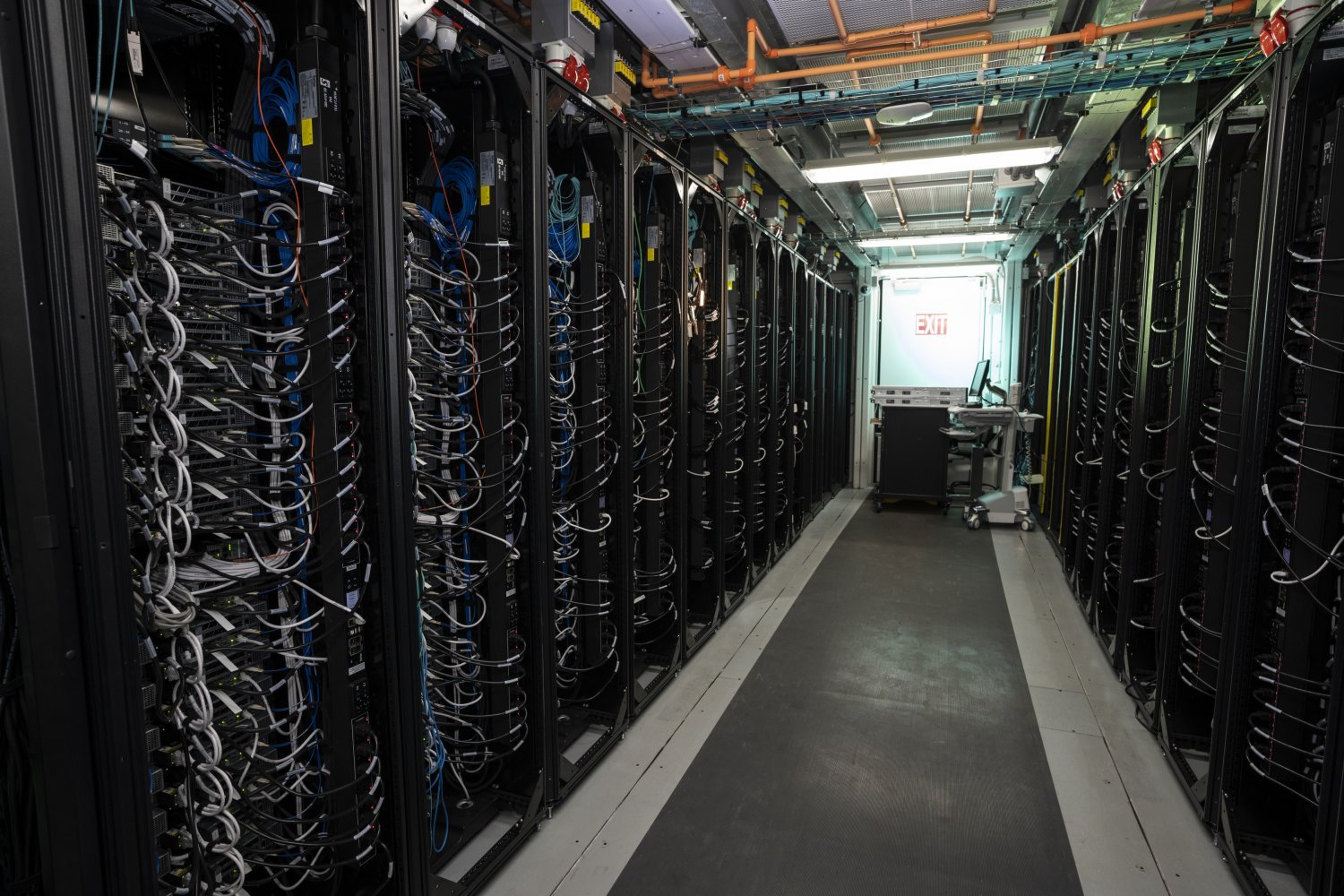
As artificial intelligence (AI) continues to transform industries and national security, understanding the hardware behind AI systems is more important than ever. Researchers at MIT’s Lincoln Laboratory are tracking how AI hardware has evolved over the past eight years. Their work provides valuable insights into the capabilities and efficiency of the latest AI accelerators.
Tracking the Evolution of AI Hardware
Since 2018, the Lincoln AI Computing Survey (LAICS) has been collecting data on commercial and research AI accelerators. Led by Albert Reuther, the team compares thousands of systems based on performance and power use. They focus on how these accelerators support AI tasks like neural networks and machine learning. The survey also examines different hardware types, including CPUs, GPUs, ASICs, FPGAs, and dataflow accelerators. While CPUs handle general tasks, accelerators like GPUs and ASICs are designed for specific, intensive calculations. The team’s data comes from public sources, which can be challenging as companies sometimes keep detailed specs private.
The research shows a rapid increase in new AI accelerators. Each year, five to ten startups introduce innovations, making the landscape more competitive. The team’s reports help government agencies and research labs understand which hardware best fits their needs. They analyze metrics like peak performance and power consumption and explore how architectural changes impact system capabilities. This ongoing work helps with decision-making for future system purchases and research directions.
Implications for AI Development
LAICS has published multiple papers, with the latest examining how design choices—such as adding cores or improving parallel processing—affect performance. Past studies have identified smaller, denser transistors and lower-precision calculations as key factors for boosting AI speed. Reuther emphasizes that understanding these technologies is essential for maintaining a competitive edge. The survey continues to grow as new accelerators emerge, reflecting the fast-paced nature of AI hardware innovation.
Reuther states, “Our surveys help sponsors and government colleagues understand the AI hardware landscape and make informed decisions. It benefits the Laboratory’s own system choices and supports broader mission goals.” With ongoing developments, MIT’s Lincoln Laboratory remains a key resource in tracking AI hardware evolution and guiding technology adoption.
The full series of papers and data sets can be accessed [here].
Discover More Technology Insights
Explore the future of technology with our detailed insights on Artificial Intelligence.
Stay inspired by the vast knowledge available on Wikipedia.
QuantumV1
