

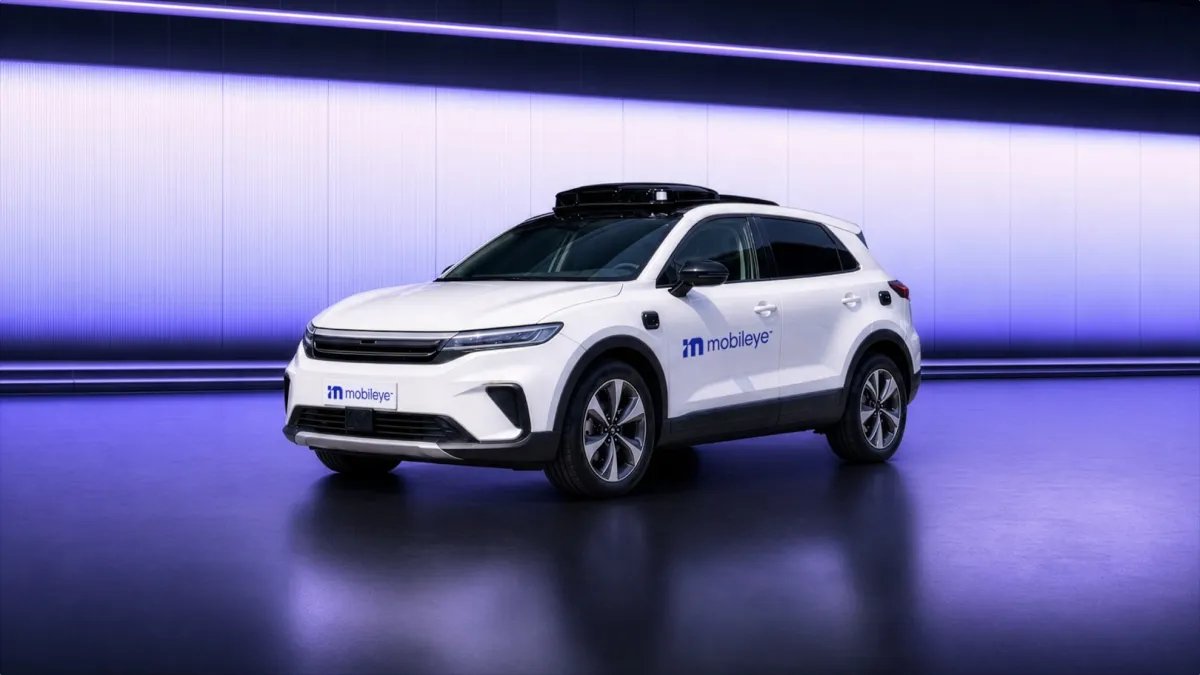
Top Highlights
- Mobileye plans to launch a robotaxi service in 2027 in the U.S.
- Initial fleet will feature 100 autonomous vehicles, scaling to 17,000.
- The company aims to compete directly in the robotaxi market.
- Mobileye’s new service will also leverage its Moovit app for operations.
The Dual Role of Mobileye in Autonomous Vehicles
Mobileye’s recent announcement signals a significant shift in its business strategy. The company, well-known as a supplier of autonomous vehicle (AV) technology, plans to enter the robotaxi market in the U.S. by 2027. This move not only aligns with Mobileye’s long-term vision but also places it in a competitive position. As a new service operator, Mobileye will venture into a realm traditionally occupied by ridesharing companies. This dual role could reshape its relationships with current clients, such as automakers.
Mobileye rose to fame by supplying automakers with advanced driver-assistance systems (ADAS). The company’s computer vision chips have become standard in the industry, integrating safety features into millions of vehicles worldwide. By launching its own fleet of 100 autonomous robotaxis, Mobileye aims to demonstrate the capabilities of its technology firsthand. They estimate scaling to around 17,000 vehicles over the next five years, further solidifying their presence in the AV sector.
Engaging directly in the robotaxi market will allow Mobileye to gather operational data. This data can enhance its technology and support its existing partnerships. Founder Amnon Shashua emphasizes that the robotaxi service won’t replace partnerships with automakers; instead, it will complement them. This strategic direction could actually make Mobileye more appealing as a supplier.
The Path Forward: Innovation and Competition
The innovation landscape is changing rapidly, and Mobileye is keen to lead the charge. The company’s foray into robotaxis offers a unique opportunity to accelerate the transition to fully autonomous vehicles. Shashua has labeled the pursuit of the robotaxi market as essential to reaching what he calls the “Holy Grail” of passenger car autonomy. To achieve that goal, Mobileye recognizes the need to demonstrate viability in real-world scenarios.
Yet, potential conflicts lie ahead. By entering the ridesharing space, Mobileye may compete with some of the same companies that utilize its technology. This dual position could lead to tensions as the robotaxi market grows. As AV technology continues to mature, competition will intensify among existing players and new entrants alike.
Mobileye now faces the challenge of balancing its supplier and operator roles. As it looks to reshape transportation, finding the right partnerships while fostering innovation will be crucial. The future of mobility may depend on how successfully Mobileye navigates this evolving landscape. Their efforts could drive significant change not only for the company but also for the broader autonomous vehicle ecosystem.
Continue Your Tech Journey
Dive deeper into the world of Cryptocurrency and its impact on global finance.
Stay inspired by the vast knowledge available on Wikipedia.
TechV1
