

Fast Facts
- Rivian is laying off hundreds, impacting less than 2% of workforce.
- The layoffs aim to enhance efficiency amid ongoing company restructuring.
- Rivian postponed its profitability goal to 2027 due to high spending.
- Uber plans to invest $1.25 billion and buy up to 50,000 R2s.
Rivian’s Layoff Strategy Amid Growth Ambitions
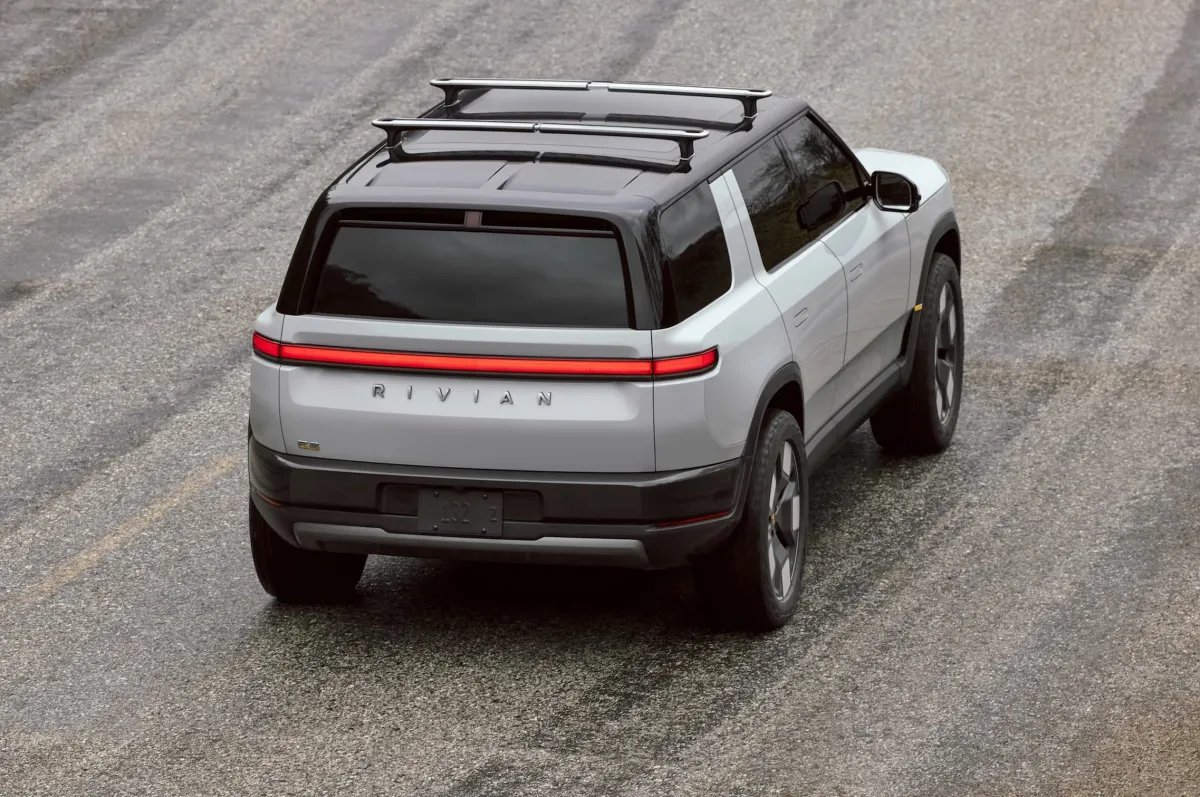
Rivian faces a challenging landscape as it cuts hundreds of jobs just a week after the much-anticipated launch of its R2 SUV. This decision affects less than 2% of the overall workforce but marks the fourth round of layoffs in 2024 alone. The company’s latest restructuring targets its service and customer teams, focusing on sales and marketing. Rivian claims these cuts will enhance efficiency as it strives for profitable growth.
The backdrop to this decision reveals the difficulties of scaling in a competitive electric vehicle market. Rivian, despite its innovative products, has been navigating significant financial losses—around $30 billion to date. The original goal of turning a profit by 2027 may become even more elusive. Rivian announced this delay while revealing plans for a partnership with Uber. Uber aims to invest up to $1.25 billion in Rivian and acquire as many as 50,000 R2 SUVs for use as robotaxis. Yet, Rivian has not yet proven its capability to deliver fully autonomous features, currently only offering a basic hands-off driving feature.
The Tension Between Innovation and Practicality
As Rivian works to pivot toward profitability, it faces a contradiction. The company invests heavily in advanced technologies while needing to balance this with practical, scalable operations. The pressure to succeed in the electric vehicle sector has never been higher. Rivian must demonstrate that it can not only innovate but also sustain its business in the long run.
Consumer interest remains robust, fueled by the excitement around the R2 SUV and its potential as a multifunctional vehicle, including as a hub for ridesharing. However, practical concerns about its autonomous capabilities linger. Rivian’s success hinges on its ability to deliver on these promises. The company must not lose sight of its operational fundamentals as it navigates this complex landscape. Without clear progress in both customer satisfaction and technological development, Rivian risks alienating the very market it aims to serve.
Continue Your Tech Journey
Stay informed on the revolutionary breakthroughs in Quantum Computing research.
Explore past and present digital transformations on the Internet Archive.
TechV1
