

Fast Facts
- The Moon always shows its near side to Earth due to synchronous rotation.
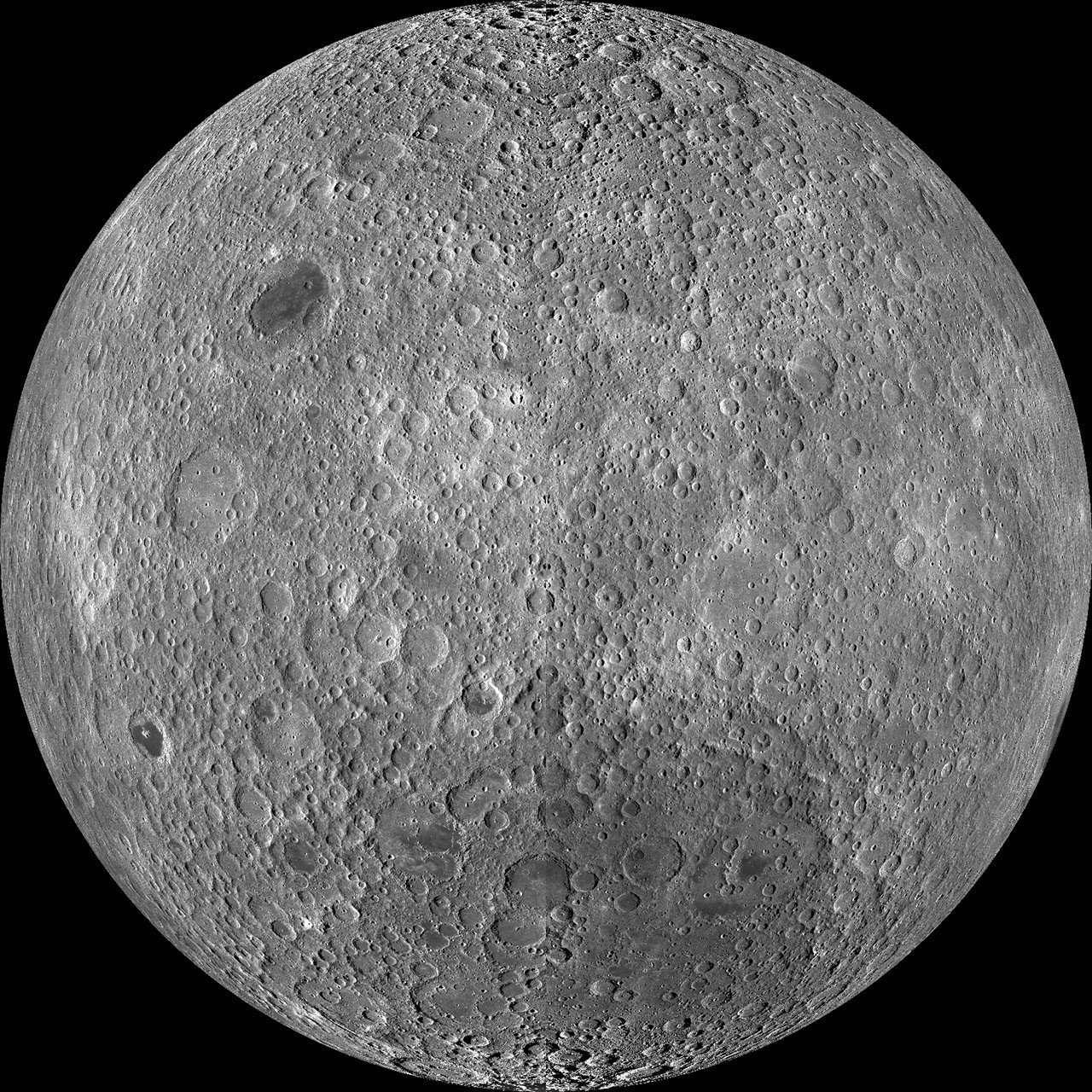
- Farside images reveal a heavily cratered, rough, and battered lunar surface.
- The farside crust is thicker, preventing lava flows that form lunar maria.
- High-resolution images from orbit help us understand lunar surface differences.
APOD: 2026 October 10 — Lunar Farside
The Moon is one of Earth’s most familiar neighbors in the night sky. For centuries, humans have looked up and admired its glowing surface. Yet, most people have only seen one side—the nearside—because the Moon is tidally locked. This means it always shows the same face to our planet. The other side, called the farside, remains hidden from view from Earth’s surface. But from space, we can explore and better understand this mysterious lunar terrain.
Discovering the Farside of the Moon
A recent image from NASA’s Lunar Reconnaissance Orbiter (LRO) gives us a detailed look at the Moon’s farside. This picture is a mosaic composed of over 15,000 images taken between November 2009 and February 2011. The high-resolution version reveals features at a scale of about 100 meters per pixel. The image shows a rugged, heavily cratered surface that looks very different from the smooth, dark plains known as maria on the nearside.
The farside’s terrain appears rough and battered, filled with countless impact craters. Experts believe this is because the farside’s crust is thicker than the nearside’s crust. A thicker crust makes it harder for molten rock from deep inside the Moon to reach the surface and form the dark, maria that cover parts of the nearside. This difference helps explain why the two lunar hemispheres look so different when viewed from space.
This detailed view of the farside offers scientists new insights into the Moon’s history. It helps them understand the different processes that shaped each hemisphere and the Moon’s internal structure. Such images deepen our understanding of lunar geology and the Moon’s evolution over billions of years.
Tomorrow’s feature will explore Childe, providing another glimpse into celestial phenomena. The Moon’s farside remains a frontier of discovery, revealing its secrets through advanced imaging and space exploration.
Continue Your Tech Journey
Stay informed on the revolutionary breakthroughs in Quantum Computing research.
Access comprehensive resources on technology by visiting Wikipedia.
Space
